Home
  • About ESMAP
    • Overview
    • Business Plan
    • Annual Report
    • E-Bulletins
    • Promotional Materials
    • Our Donors
    • Our Staff
  • Programs
    • Energy Access
    • Clean Energy
    • Energy Efficient Cities Initiative (EECI)
    • Energy Assessments and Strategy Programs (EASP)
    • Results-Based Funding for Energy Sector Development
    • Gender | Social Inclusion in the Energy Sector
    • SIDS DOCK Support Program for Small Island Developing States
  • Results
    • Activity Database
    • Monitoring and Evaluation (M&E)
    • Portfolio Reviews and External Evaluation
    • Portfolio Reports
    • Impact Stories
  • Publications
    • Featured Publications
    • All ESMAP Publications
  • News
  • Contact Us
  • increasedecrease

    Text Size

Home

ESMAP Monthly E-Bulletin May-June 2012 Issue


A Bridge to a Sustainable Energy Future

ESMAP E-BULLETIN                              May-June 2012 Issue


HEADLINES 

-- ESMAP Knowledge Exchange Forum 2012 Focuses on Frontier Issues
-- ESMAP Annual Report 2011 Released
-- Bridge the Transmission Gap for Renewable Energy Scale-Up
-- Sustainable Low-Carbon City Development in China
-- Report Addresses Serious Challenges for District Heating in Ukraine


PROGRAM HIGHLIGHTS


ESMAP Knowledge Exchange Forum 2012 Focuses on Frontier Issues

ESMAP’s Knowledge Exchange Forum for 2012 was held in Washington on May 7-9, focusing on energy sector issues of emerging importance to developing countries around the world.   The forum is designed to allow practitioners from different regions and sectors to exchange views and experiences about common challenges.  This year’s forum included sessions on mapping of renewable energy resources, tools for low-carbon development planning, energy access for the urban poor, and new results-based approaches to energy sector assistance.  Participants included staff from the World Bank’s regional units and Sustainable Energy Department, representatives from ESMAP client countries, ESMAP donors, and energy practitioners from around the world.
For more information on the forum including an agenda and speaker bios, go here . 


Sessions of the ESMAP Knowledge Exchange Forum:

  • Can Results-Based Approaches Deliver Access to Electricity and Renewable Energy Scale-up?

ESMAP has embarked on a work program that aims to assess how results-based approaches can be used to improve outcomes and scale up financing for energy sector development.   This session reviewed results-based approaches as they have been used in sectors such as water, health, and ICT, with a view to common challenges and factors for success. 


For a web story on this session, go here. To download presentations from this session, go here


  • Innovative Approaches Urgently Needed to Deliver Energy to the Urban Poor

Rapid urbanization is putting new pressures on many developing countries to deliver reliable, clean energy services to urban populations.  This session focused on two particular aspects of the access challenge for urban and peri-urban poor communities: expansion of electricity service, and access to clean cooking fuels.


For a web story on this session, go here. To download presentations from this session, go here.


  • Journey to Renewable Energy Starts with a Map

Mapping national renewable energy resources is a crucial step in providing the information needed for governments to support the sustainable expansion of renewable power generation. This session focused on small hydro, solar and wind mapping, with a look at a range of technologies and mapping options.


For a web story on this session, go here. To download presenations from this session, go here.


  • Planning Tools to Support Low Carbon Development

There is an ever-growing demand for analytical tools to help countries map out a path to sustainable growth. ESMAP has developed a number of such tools that are now being put into use in a wide variety of client countries.  This session allowed practitioners and ESMAP partners to see live demonstrations of these tools.


For more information, and to presentations from this session, go here.


ESMAP Annual Report 2012 Released
Released in April, this annual report is a comprehensive overview of ESMAP's work in Fiscal Year 2011, including highlights and achievements under ESMAP's reconfigured program areas. The report also looks at ESMAP's current and future direction in FY2012-13.  For more information, and to download the report, go here.


Bridge the Transmission Gap for Renewable Energy Scale-Up
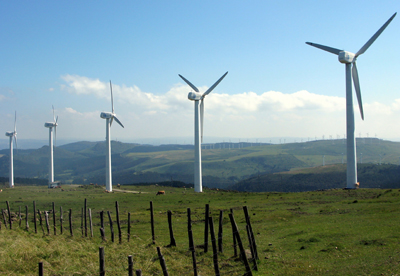
Sources of renewable energy are often in remote locations. Wind gusts are most powerful on hilltops, along seacoasts and offshore, and solar power is most easily tapped in deserts. Without investment in new power lines to carry new renewable energy to consumers, that energy can find itself ‘lost in transmission.’  A recent ESMAP-supported study recommends proactive approaches for governments to ensure that transmission infrastructure is built out that can deliver reliable, affordable power from remote renewable sources.  For more information, go here. 


Sustainable Low Carbon Development in China
By embarking on a low-carbon growth path, China’s cities can help reach the country’s targets for reducing the energy and carbon intensity of its economy, and become more livable, efficient, competitive, and ultimately sustainable. Cities contribute an estimated 70 percent of energy-related greenhouse gases. With China set to add an estimated 350 million residents to its cities over the next 20 years, the case for urgent action is strong.  Those were the main messages of an ESMAP-supported report, Sustainable Low-Carbon City Development in China, released by the World Bank on May 3.  For more information, go here. 


For the press release on this report, go here.  To download the full report, go here.


Report Addresses Serious Challenges for District Heating in Ukraine

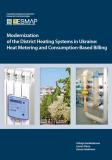
District heating plays a critical role in meeting basic heating needs in Ukraine, but the sector faces serious challenges that must be resolved to avoid collapse. A recent ESMAP report looks at heat metering and consumption-based billing as critical steps needed to addressing these challenges, as well other reforms such as building energy efficiency improvements and regulatory reform.  The report was well received at its launch in Kiev, Ukraine on March 20, attended by government officials, including Deputy Prime Minister for Social Policy Sergyi Tihipko, and representatives of the Kiev city administration and the donor community.  The report has generated a discussion in the Ukraine about district heating tariff increases and the implementation of energy efficiency measures.  To download the report, go here. 


PUBLICATIONS
  • ESMAP Annual Report 2011
  • Africa Renewable Energy Access Program (AFREA) – Brochure
  • Transmission Expansion for Renewable Energy Scale-Up: Emerging Lessons and Recommendations
  • Innovative Approaches to Energy Access for the Urban Poor
  • Sustainable Low Carbon City Development in China
  • Modernization of the District Heating System in Ukraine: Heat Metering and Consumption-Based Billing


The Energy Sector Management Assistance Program (ESMAP) is a global knowledge and technical assistance partnership administered by the World Bank and funded by Australia, Austria, Denmark, Finland, France, Germany, Iceland, Lithuania, the Netherlands, Norway, Sweden, and the United Kingdom, as well as the World Bank.


ESMAP's mission is to assist clients—-low and middle income countries—-to increase know-how and institutional capacity to achieve environmentally sustainable energy solutions for poverty reduction and economic growth.For more information about the Energy Sector Management Assistance Program, please visit www.esmap.org.  


 Read all E-Bulletins

Banner Photo Credits: stock.xchng (left and right); Jamie Seno / Lighting Africa / World Bank (center)

Published on: 
05/25/2012
  • About ESMAP
  • Programs
  • Results
  • Publications
  • News
  • Contact Us

© 2013 ENERGY SECTOR MANAGEMENT ASSISTANCE PROGRAM ALL RIGHTS RESERVED    Privacy Policy