







How Geothermal Contributes to the Transition to Cleaner Energy
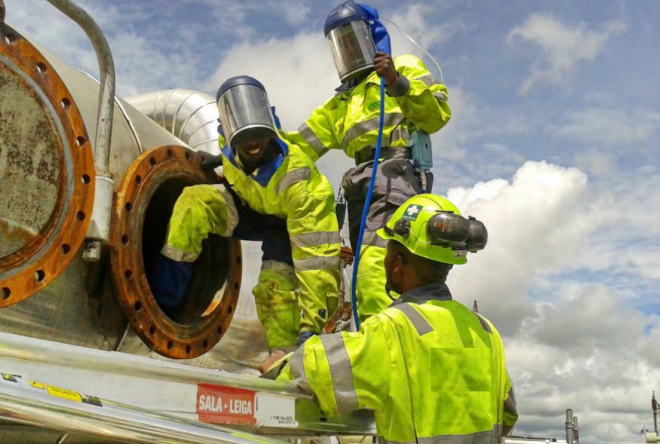
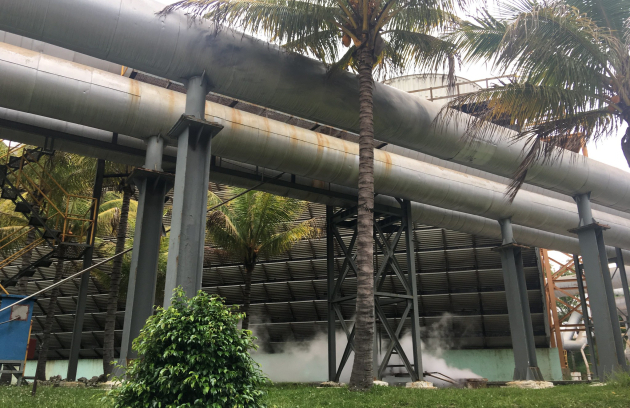
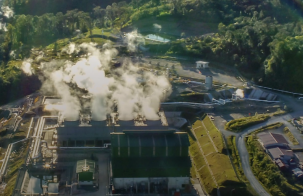
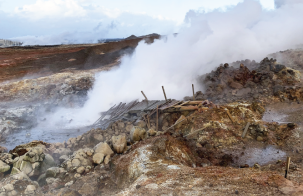
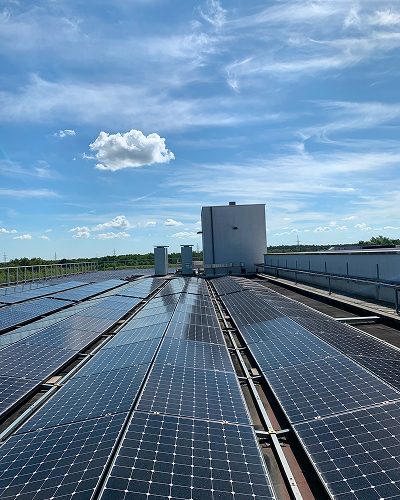
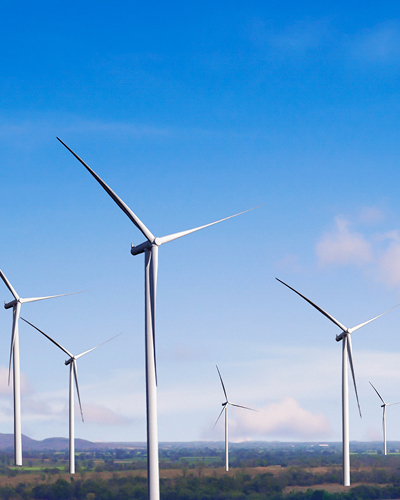
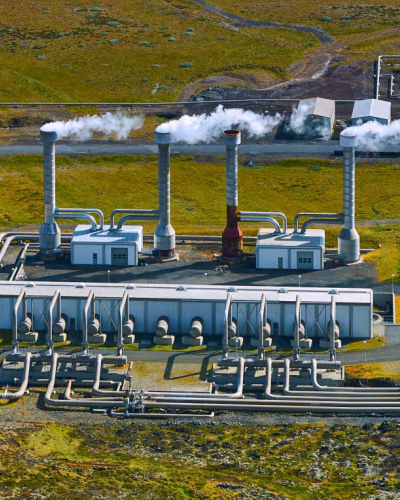
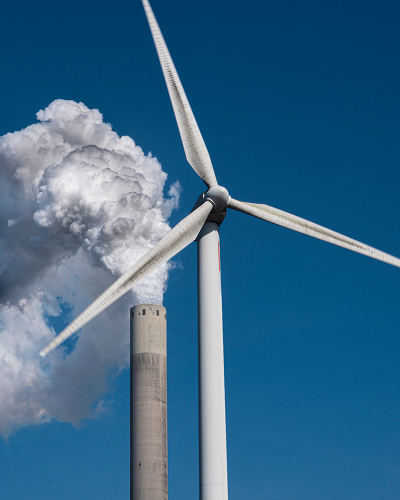
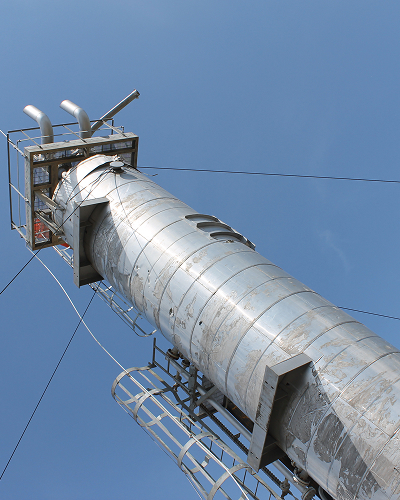
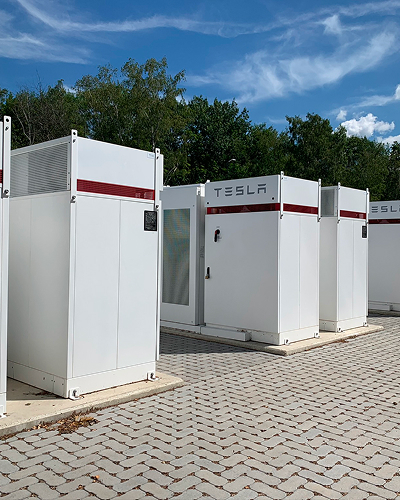
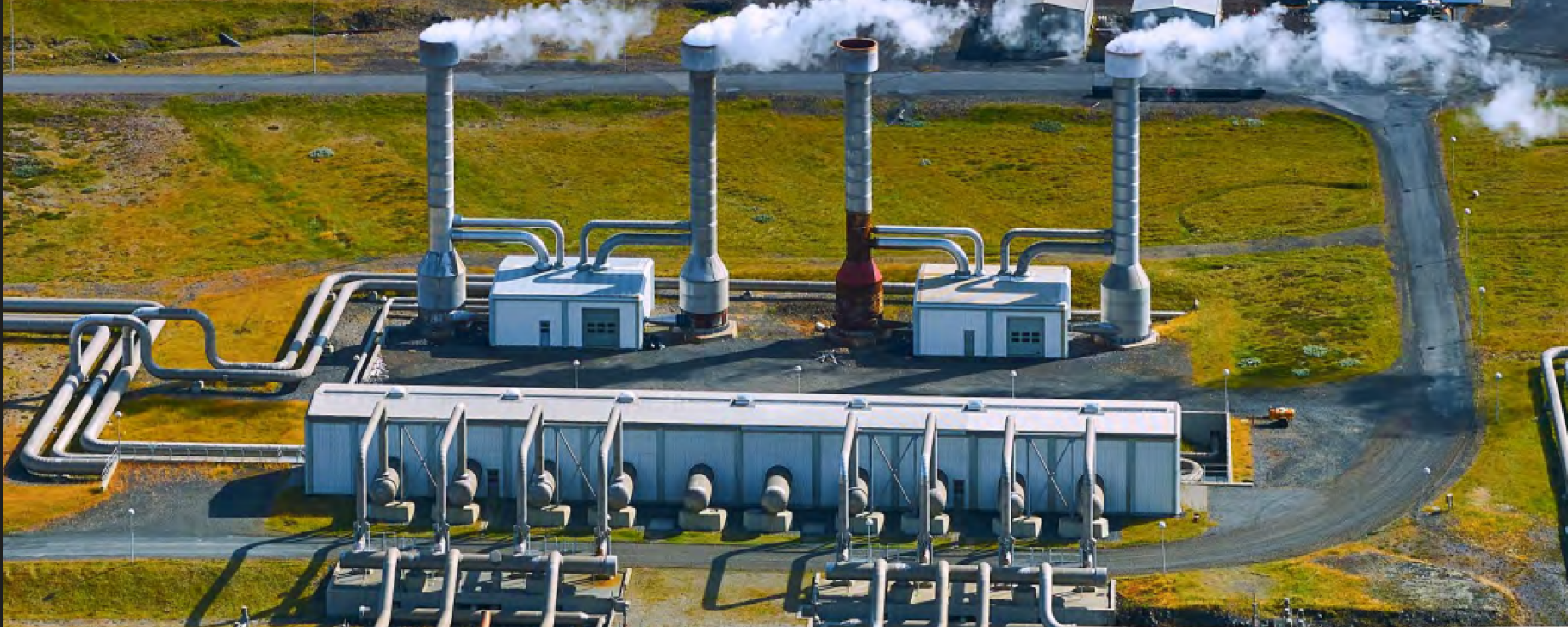
Geothermal energy is natural heat stored beneath the Earth’s surface. As a renewable energy source, geothermal generates power continuously, unlike weather-dependent solar and wind. This reliability is critical to the transition to cleaner energy . Geothermal heat networks reduce reliance on fossil fuels in space heating in cities and industries. Other applications include greenhouse heating, food drying, and heat for manufacturing, making it a versatile solution for decarbonizing hard-to-abate sectors.
How Geothermal Contributes to Development
Each megawatt of geothermal capacity can generate ~34 jobs (Enel 2023), boosting local economies and supporting a just transition for oil and gas workers. Moreover, stable energy prices and reduced import dependence strengthen emerging markets’ energy security.
Geothermal’s Main Challenges and Solutions
Barriers to geothermal adoption include resource uncertainty and geological unpredictability as well as limitations in knowledge and technical expertise. ESMAP facilitates capacity-building initiatives and knowledge-sharing opportunities at national and regional levels. ESMAP engages sector experts, government officials, and companies among other stakeholders to build expertise and support for geothermal energy as a sustainable energy source.