












Energy Markets, Connectivity, and Regional Trade
How Energy Markets & Trade Contribute to Energy Access and Transition to Cleaner Energy
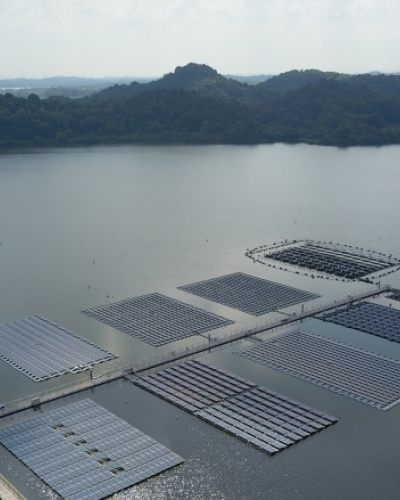
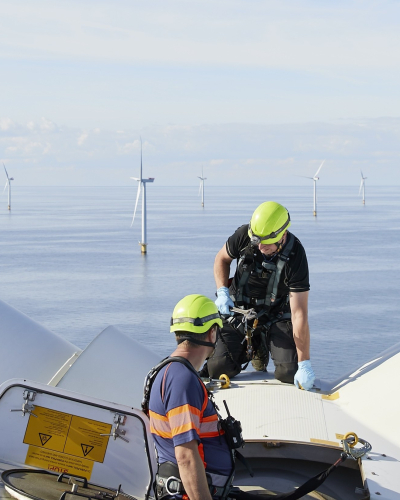
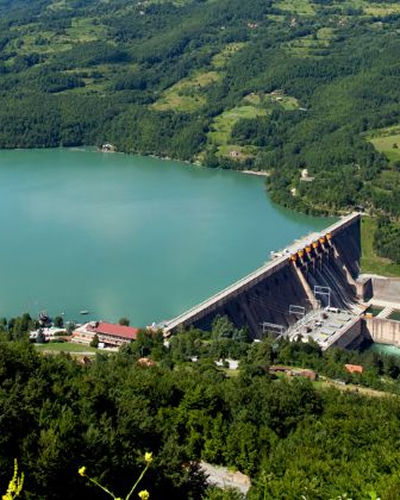
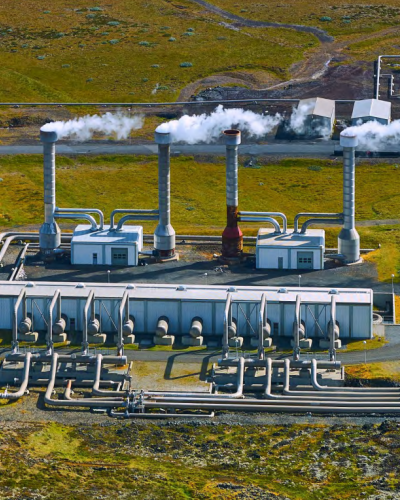
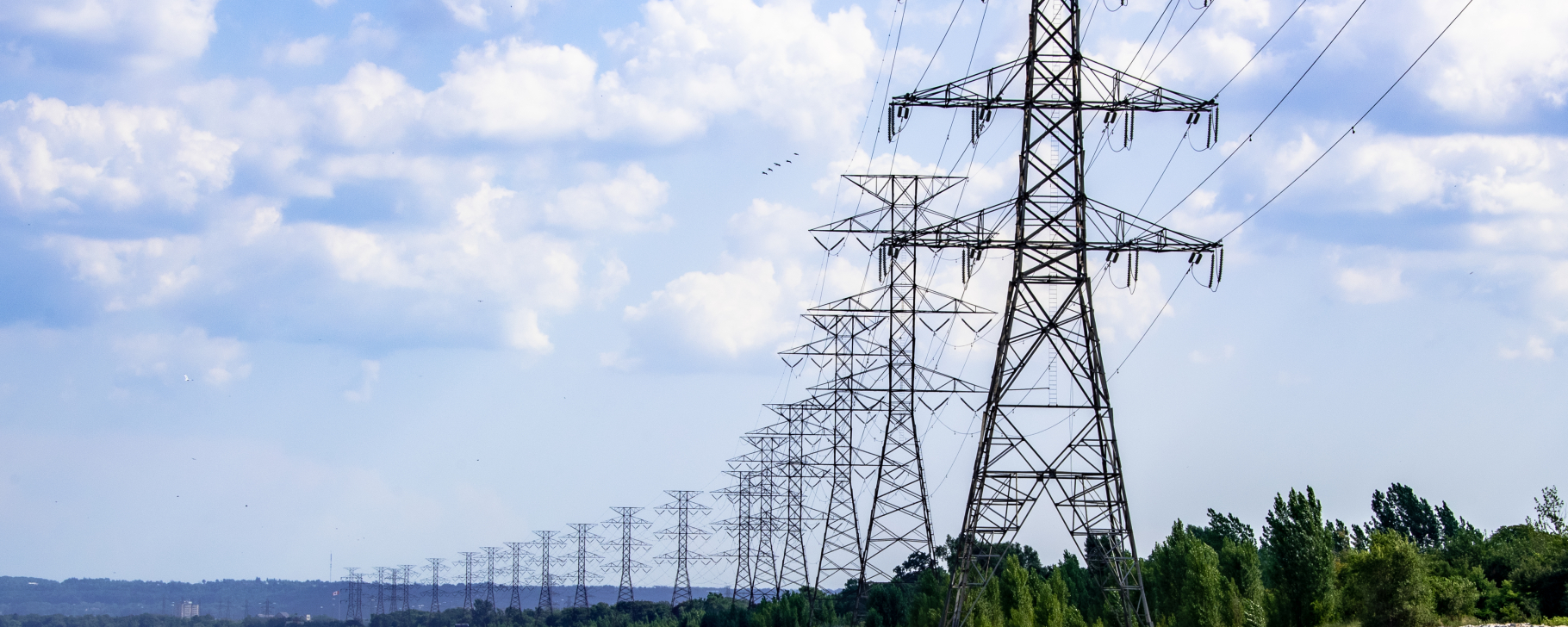
Efficient energy systems distribute electricity to those who need it by drawing on a mix of power sources to ensure a continuous flow of power. Connecting several energy markets enables countries to combine complementary renewable resources—linking hydro, solar, wind, and geothermal potential across borders—thereby reducing supply costs and strengthening resilience to shocks and variation in energy availability.
How Energy Markets & Trade Contribute to Development
Efficient and interconnected energy markets are a cost-effective and scalable way to connect people to sustainable electricity and transition to low-carbon energy sources. Well-functioning markets, where energy is produced and traded based on transparent market principles, help limit reliance on expensive fossil fuel imports and reduce the hours or even days of low voltage energy (brownouts) or no power (blackouts).
Energy Markets & Trade’s Main Challenges and Solutions
Most developing countries lack competitive electricity markets, and often their infrastructure is unsuitable for renewable energy expansion. ESMAP supports countries by helping them develop effective and inclusive energy market structures, advising governments on policies and planning to advance decarbonization and energy access, and removing barriers to cross‑border electricity trade.
Beyond Borders: Power Grid Interconnections and Regional Electricity Markets for the Sustainable Energy Transition
ESMAP’s guide for integrating power grids and markets across borders in developing and emerging economies. It targets policymakers, regulators, utilities, regional institutions, etc. and provides a basis for dialogue on regional energy integration.
ESMAP Project
Energy Markets, Connectivity, and Regional Trade (MARCOT)
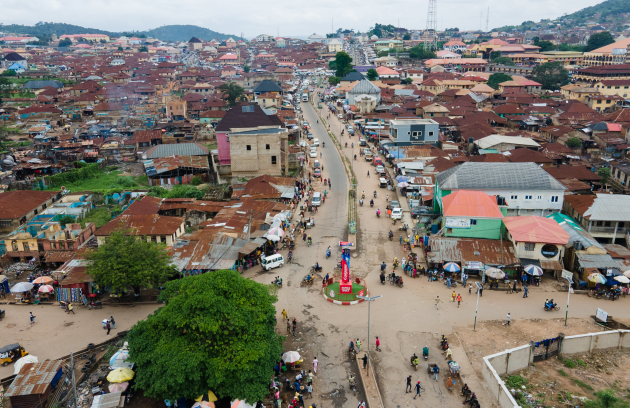
The program fosters competitive market structures, strengthens regulatory and institutional capacity, and harmonizes planning and operational frameworks.
Our Latest


Insights
The Zambia–Tanzania Interconnector is bridging Southern and Eastern Africa’s power networks. It will enable countries from Cairo to Cape Town to share affordable, often renewable electricity—boosting energy security and resilience across the region.
Practitioner Voices
We have been running with an energy deficit in the country (Zambia) because of (...) climate change. Our energy portfolio is hydro-dominated. With the commissioning of the Zambia–Tanzania Interconnector facilities we are expected to have a more secure energy supply, giving us the ability to import power in years of deficit and to impact our economic growth.