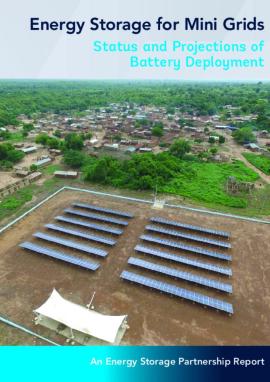

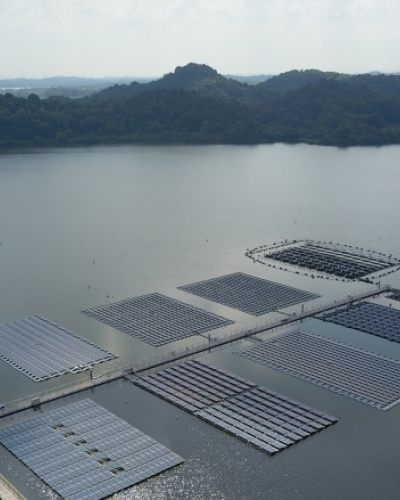

















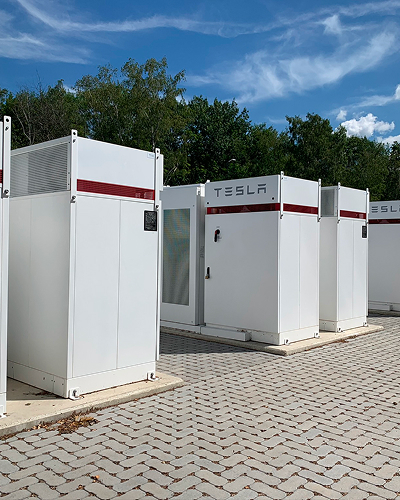










- Mini grids are a scalable, cost-effective solution for expanding electricity access in rural and remote areas.
- Policy, financing, and delivery models—not technology—are the main barriers to scale.
- Integrating mini grids into national electrification planning maximizes impact and protects investments.
Mini grids are emerging as one of the most effective ways to expand electricity access in communities unlikely to be reached quickly or affordably by the main grid, particularly in rural and remote areas. Analysis by ESMAP finds that, with sound policies, effective deployment strategies, and sufficient investment, mini grids could provide power to up to 500 million people by 2030. When powered by renewable energy, mini grids offer a clean and resilient alternative to diesel generation, supporting countries’ energy transitions and long-term sustainability goals.
Experience shows that the main challenge to wider deployment of mini grids is not the technology, but how they are planned, financed, and delivered at scale. High upfront costs, unclear regulations, and limited access to finance have often slowed progress. ESMAP finds that successful mini grid programs share common features: clear and predictable regulations, transparent tariff setting, well-designed subsidies, and strong coordination between governments and the private sector. When these foundations are in place, private developers can invest, innovate, and deliver reliable service to communities.
Integrating mini grids into broader national electrification strategies is also critical. Planning mini grids alongside grid expansion and other energy access solutions helps ensure they complement, rather than compete with, future infrastructure. Clear pathways for grid integration protect investments, avoid service disruptions, and allow mini grids to continue serving communities as demand grows. ESMAP supports this approach by providing governments, developers, and partners with practical guidance, data, and tools, so that the best path for electrification in a given context is chosen and implemented for maximum impact.