











Floating Solar
How floating solar contributes to energy access and the transition to cleaner energy
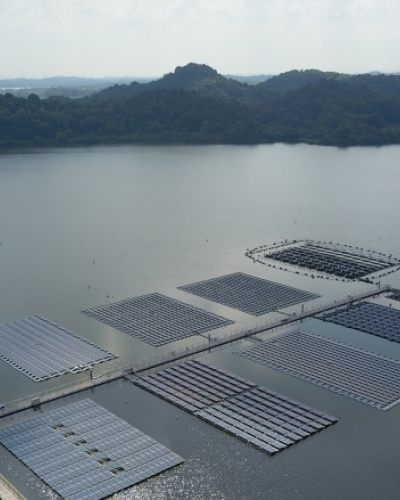
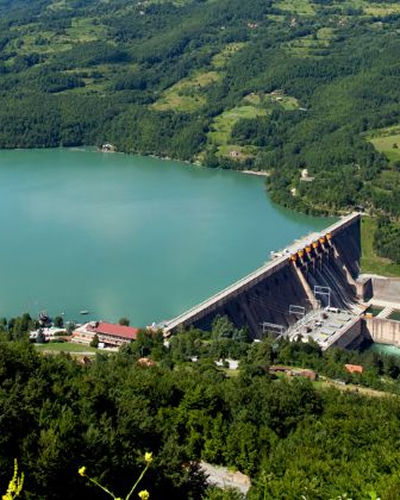
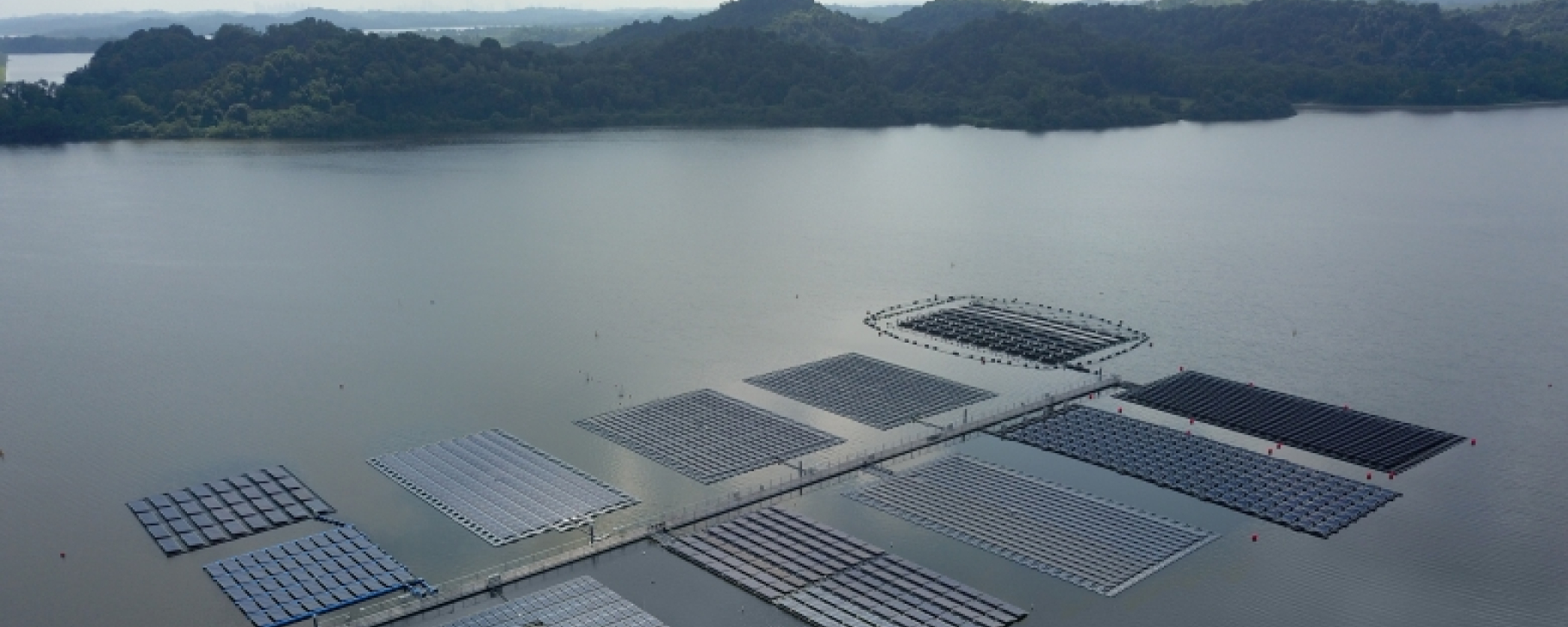
Floating solar generates clean electricity using solar panels that are installed on the water surface of reservoirs, lakes, or ponds. This offers a practical solution to expand renewable electricity generation in countries where demand is growing quickly, and land is limited or costly. Floating solar can also leverage existing water infrastructure, often alongside hydropower, sharing grid connections, improving energy security, and adding new generation capacity.
How floating solar contributes to development
Floating solar supports sustainable development by enabling clean power generation while reducing pressure on land resources. It can strengthen energy security, support decarbonization, optimize the use of existing infrastructure, create local jobs, attract investment, and contribute to long-term economic growth.
Floating solar’s main challenge and solution
Floating solar projects face relatively high upfront costs coupled with countries’ and operators’ limited experience coupled with uncertainty around technical standards, environmental impacts, and regulations. ESMAP helps address these barriers by generating evidence, developing practical guidance, and supporting client countries through technical assistance and knowledge sharing. Through clearer policies, better planning, and risk-reduction tools, ESMAP supports countries in scaling floating solar safely and sustainably.
Floating Solar | Clean Energy Beyond the Shore
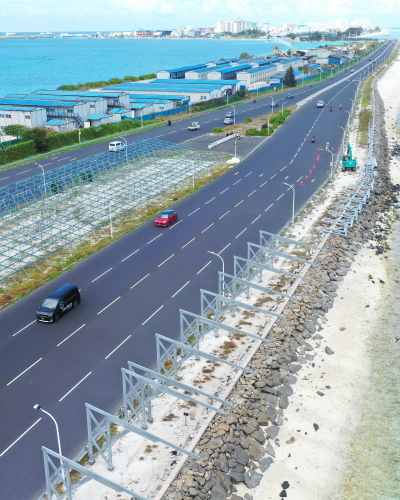
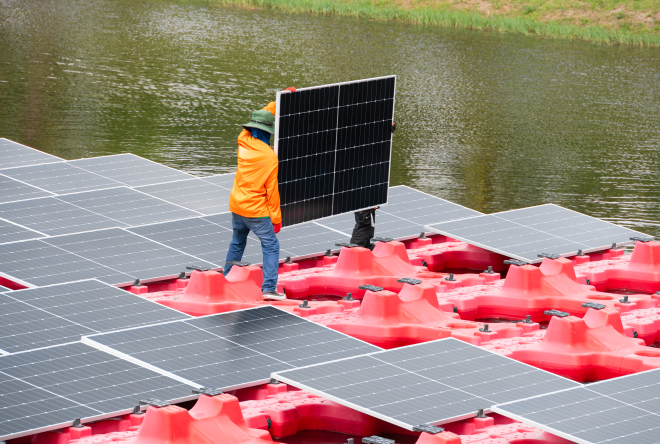
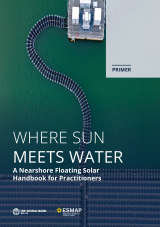
Floating solar is opening new opportunities to expand the generation of clean electricity on reservoirs, lakes and other water bodies. Building on its leadership in inland floating solar, ESMAP is also advancing knowledge on nearshore applications through its upcoming handbook, helping countries unlock renewable energy opportunities in sheltered coastal environments, particularly where land is constrained or subject to competing uses.
ESMAP Program
Innovative Solar
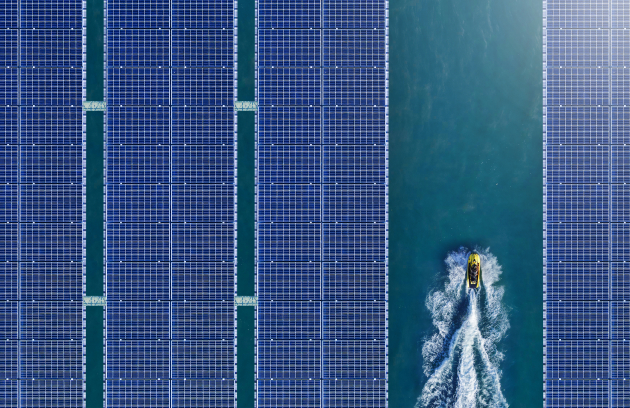
ESMAP’s Innovative Solar Program aims to enlarge the scope of solar deployment beyond conventional large-scale, ground-mounted solar PV systems – including, floating solar PV, rooftop solar PV, and agrivoltaics . It supports client countries in the awareness, adoption, and deployment of innovative grid-tied solar concepts and business models.
Our Latest


Practitioner Voices
Floating solar technology has huge advantages for countries where land is at a premium or where electricity grids are weak. Governments and investors are waking up to these advantages, and we are starting to see interest from a wide range of countries in Africa, Asia and Latin America.