
















How the transition away from coal contributes to cleaner energy
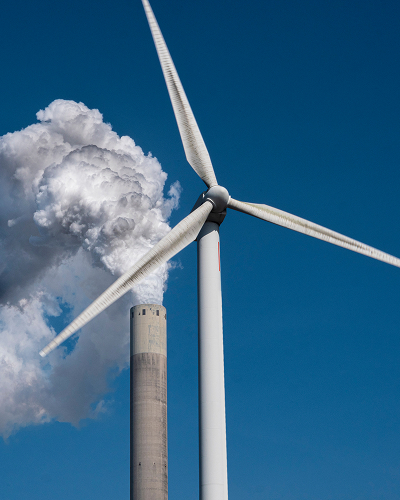
Coal is a major source of greenhouse gas emissions and phasing it out is essential to combating climate change and meeting net-zero goals by 2050. Despite coal’s negative environmental impacts, it is still the world’s largest single source of electricity generation. Phasing it out requires careful management to cushion the impact on regions that depend on coal for jobs and economic opportunities.
Development impacts of transitioning away from coal
Transitioning away from coal offers significant economic, health, and environmental benefits, as renewables are becoming cheaper than coal and provide a sustainable, inexhaustible energy supply. This shift also reduces air pollution and fosters innovation, paving the way for a healthier and more sustainable future.
Challenges and solutions of the transition
While many countries have understood the benefits of transitioning towards clean energy sources, progress is slow given the scale of the challenge and limited affordable alternatives. The sustainable and effective closure of coal mines requires a programmatic, long-term approach that considers jobs, skill sets, and environmental and financial issues.

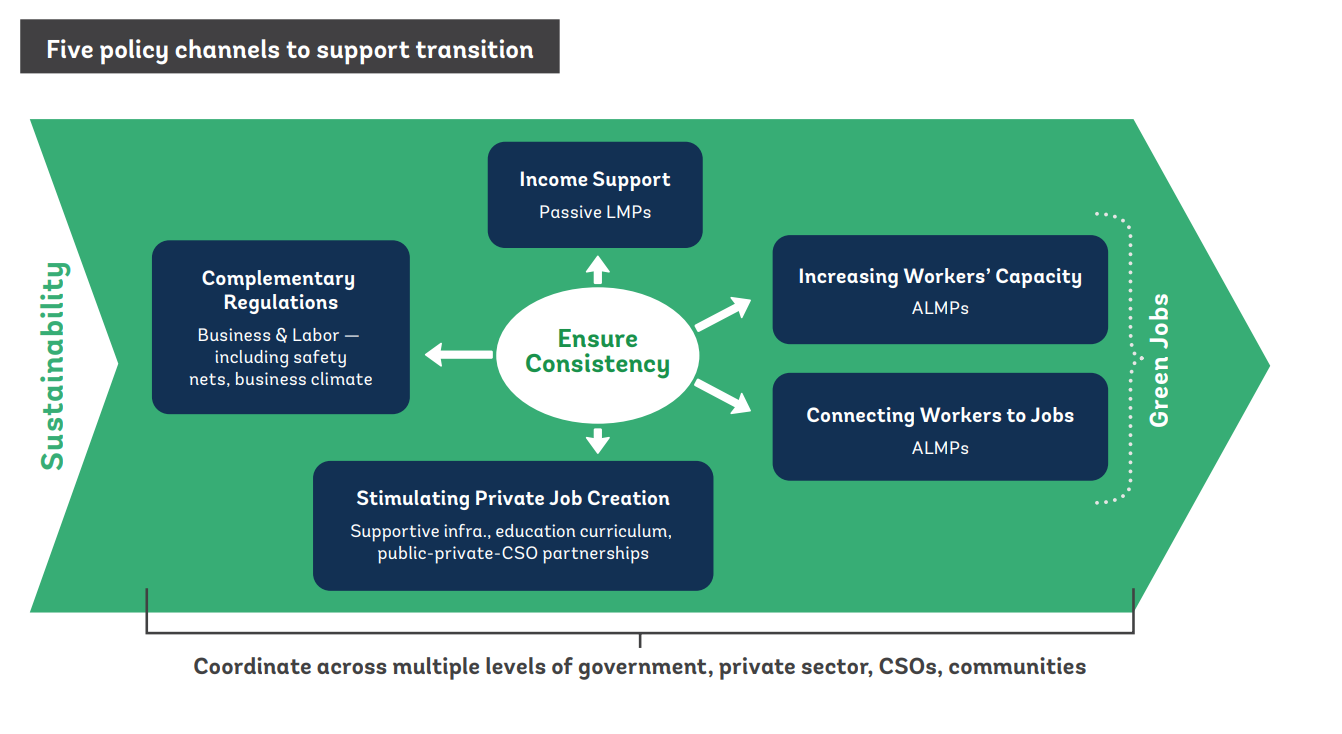
The transition deeply affects jobs and livelihoods of the affected workers, communities, local economies, and local and regional government capacity. A combination of local and national policies and programs is required to support the affected workforce, including informal workers not covered by existing policies.

Helps governments in developing countries begin their transition away from coal through coal mine closure and coal plant repurposing.