
Small Island Developing States (SIDS)
Significance of the transition to cleaner energy for SIDS
The world’s 50+ small island developing states and territories make up less than one percent of the world’s population. Their small population and isolation from international markets, implying high transportation costs, make them vulnerable to exogenous economic shocks while their fragile land and marine ecosystems make SIDS particularly vulnerable to the impacts of climate change. Transitioning to renewable energy helps to shield SIDS against expensive fossil fuel imports’ drag on their budgets, fosters economic growth while mitigating climate change impacts.
How cleaner energy sources contribute to SIDS’ development
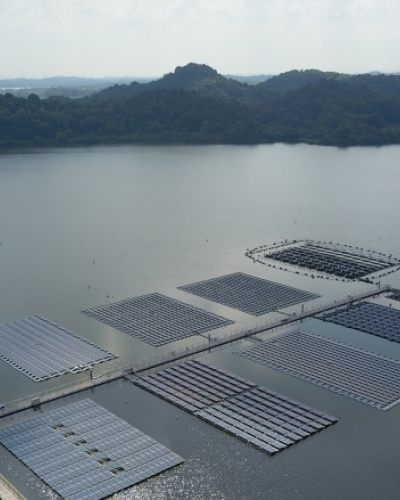
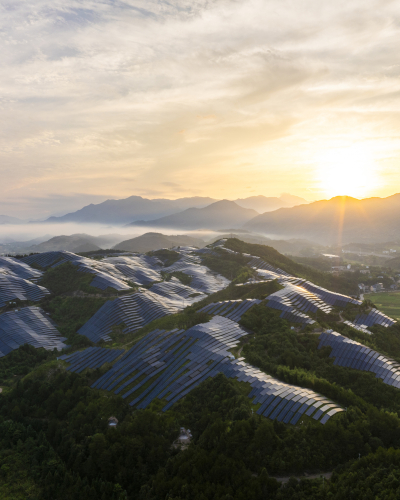
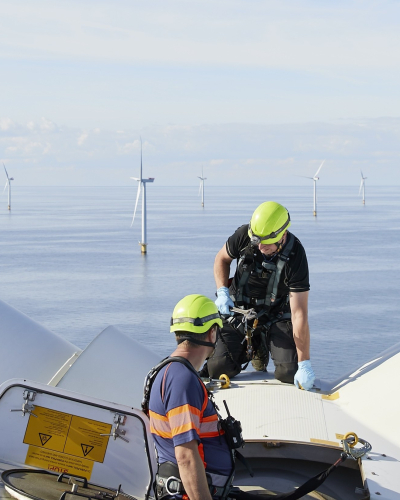
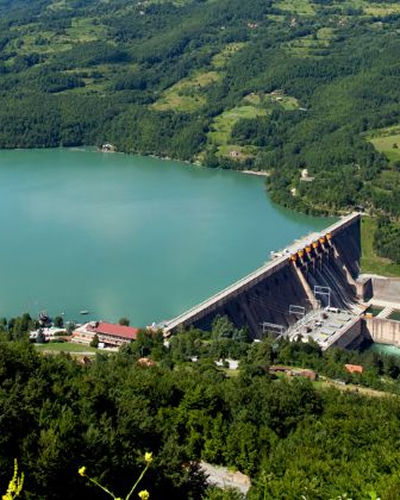
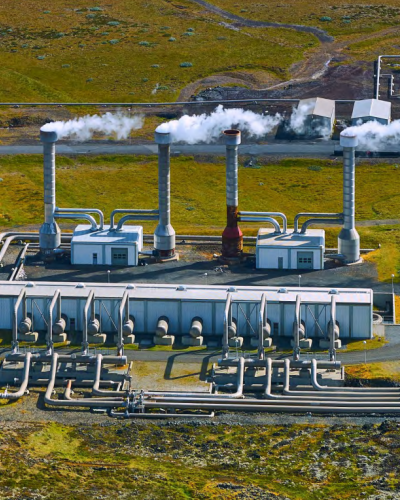
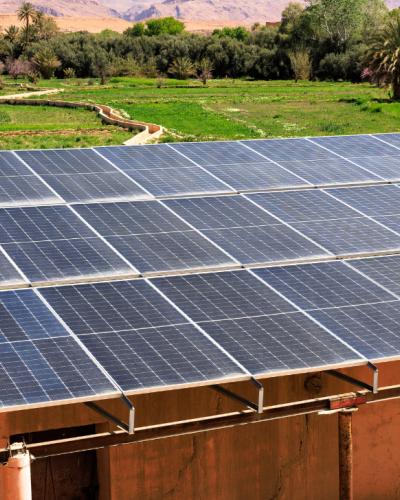
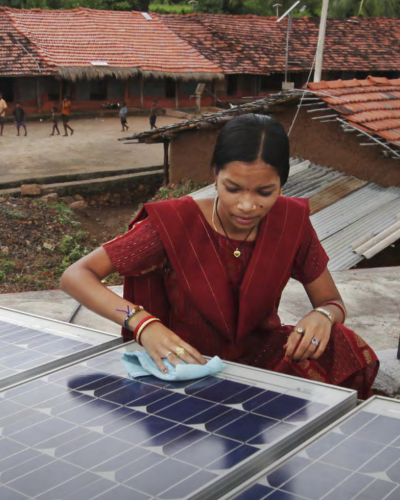
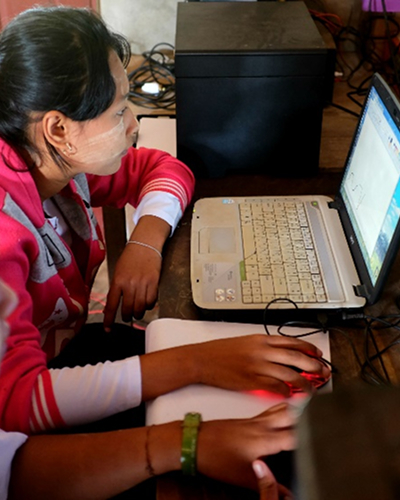
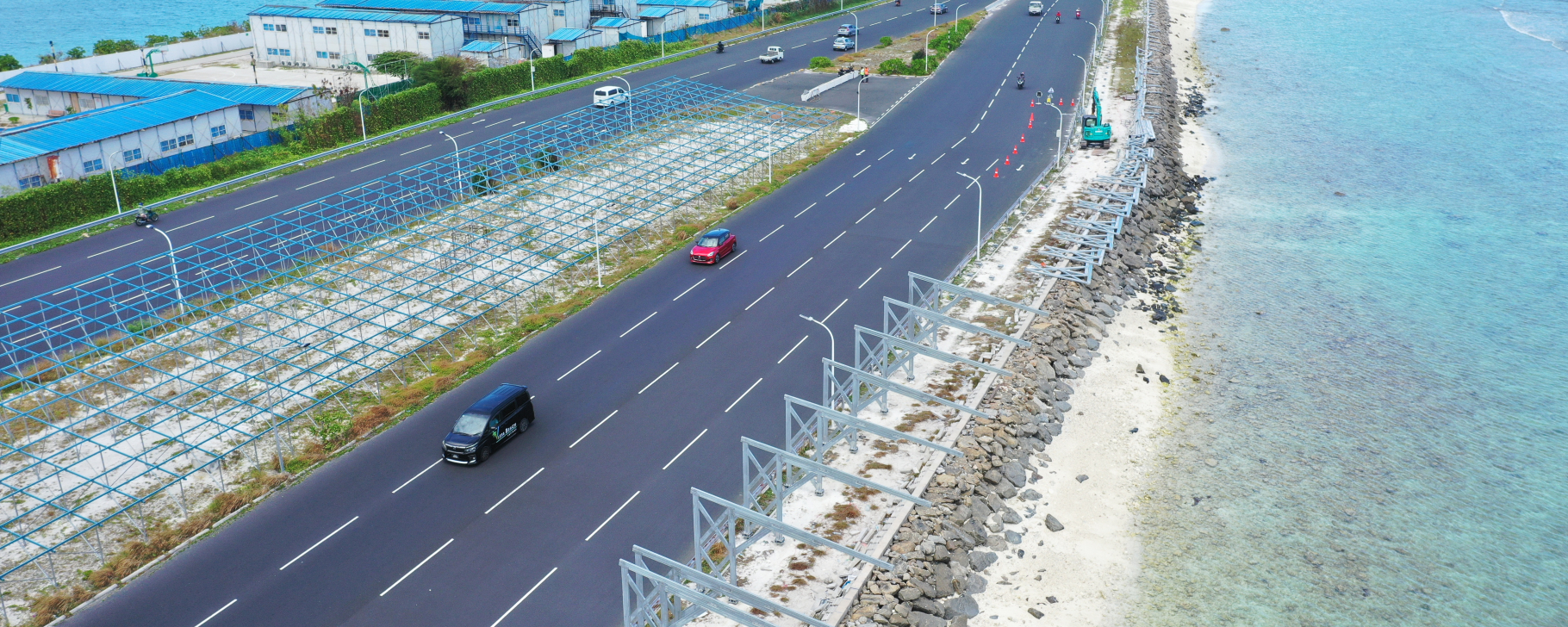
Renewables such as solar, wind, hydro, and ocean energy allow SIDS to harness domestic resources, reducing exposure to volatile global fuel prices and insulating economies from price shocks. This lowers electricity generation costs over time and frees public resources for social and infrastructure investment. Cleaner energy supports inclusive social development by expanding access to reliable and affordable electricity which improves outcomes in health, education, water supply, and digital connectivity.
Main challenges and solutions for SIDS’ transition to clean energy
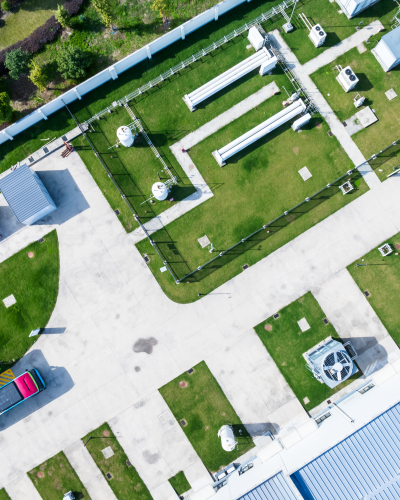
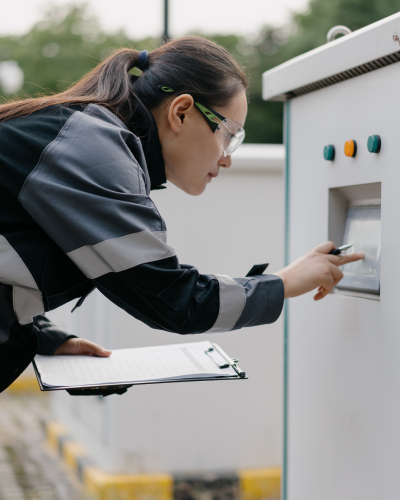
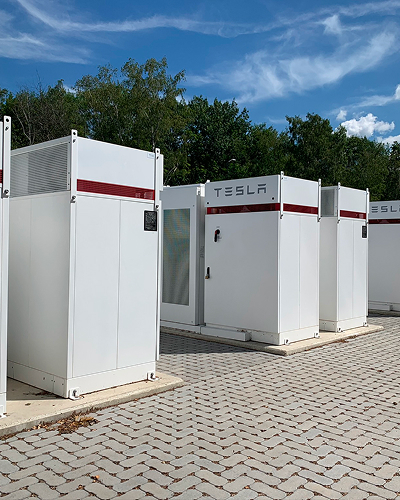
Challenges to SIDS’ energy transition include fragile energy systems with limited grid infrastructure. High upfront investment and limited access to finance also pose barriers as do countries’ limited technical, regulatory, and data-management capacity that can delay project preparation, procurement, and implementation. Solutions include scaling domestic renewable resources and implementing decentralized systems, microgrids, storage, and integrated energy–resilience planning to improve reliability. Mobilizing tailored finance is key as is building institutional capacity.
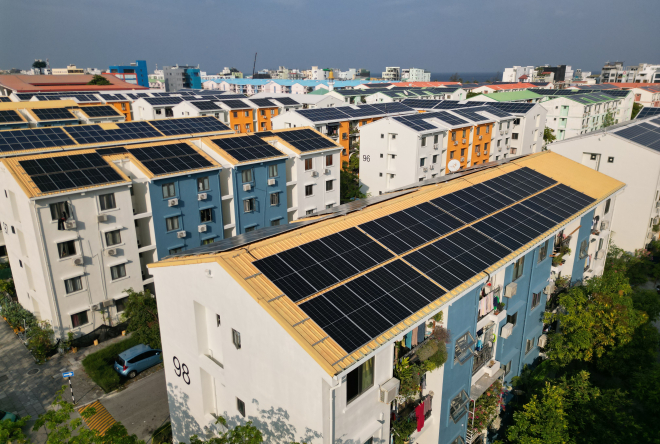
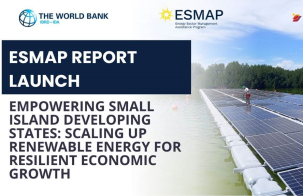
Empowering Small Island Developing States: Scaling Up Renewable Energy for Resilient Economic Growth
ESMAP Program
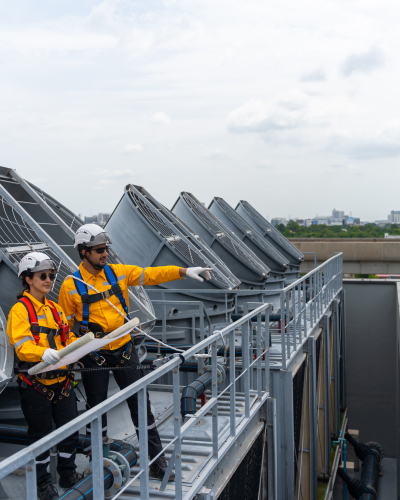
ESMAP supports the implementation of renewable energy and energy efficiency policy reforms in SIDS. We promote renewable energy and energy efficiency projects that have potential to scale through climate finance and other sources.
SIDS Platform
ESMAP as part of the World Bank Group operates together with the International Solar Alliance (ISA) a joint SIDS Platform. The platform is an e-marketplace for solar project matchmaking, It also enables technical assistance and regulatory support while providing SIDS analytics, including the SIDS Solar Outlook Report; and stages SIDS dialogues, including ministerial engagement and investment roadshows.