









Jobs in Energy
How the energy sector contributes to job creation
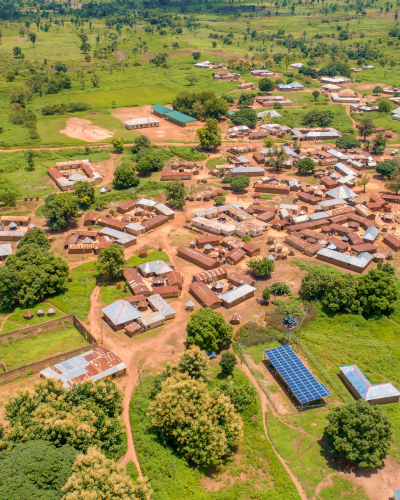
The energy sector creates jobs directly through infrastructure construction and operations, indirectly through supply chains, and—most powerfully—by enabling productivity, value addition, and employment across the entire economy wherever affordable and reliable energy is available. In Africa in particular, energy enables jobs with the biggest gains where modern energy unlocks productivity in urban and rural areas in agriculture, medium and small-scale enterprises, industrial growth and value chains.
How energy-related jobs contribute to development
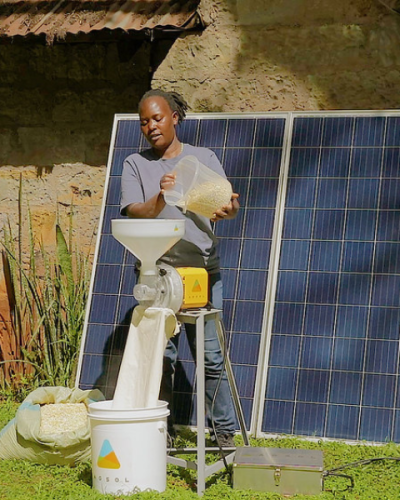
Reliable, affordable energy raises productivity across agriculture, manufacturing, and services. In Sub-Saharan Africa, where over 40 percent of the population depends on agriculture, modern energy reduces production costs and unlocks new economic activity. Expanding energy access for agribusiness in developing countries not only increases productivity and reduces waste but also creates new employment opportunities in installation, operation, and maintenance of energy systems, as well as in the expanded agricultural value chain.
Main challenges and solutions in creating jobs through energy access and energy transition
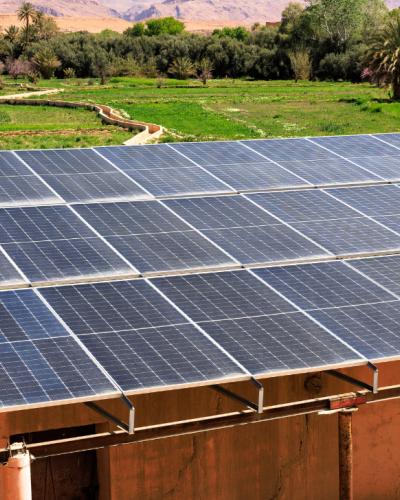
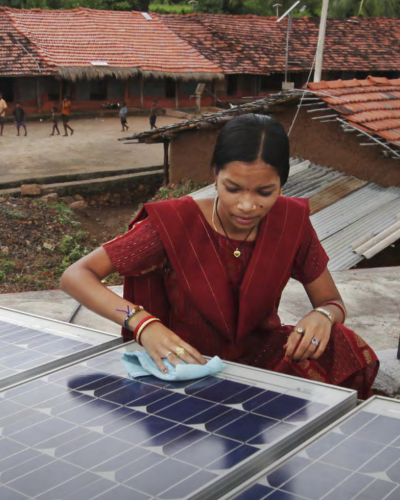
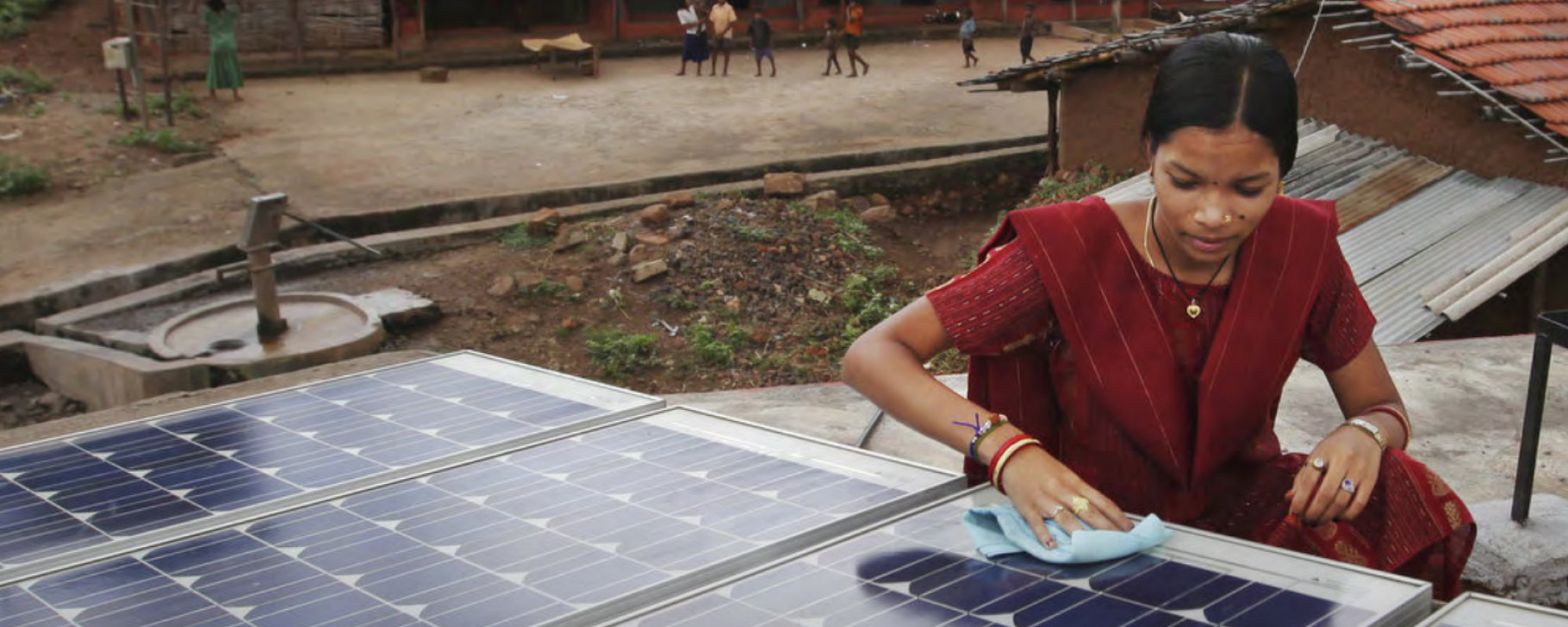
The agribusiness sector faces barriers such as poor infrastructure, limited market access, and few modern storage and processing facilities, which constrain job creation. In rural settings, where grid electricity is often unavailable or unreliable, renewable energy—particularly solar power—offers new opportunities to power irrigation systems, cold storage, and processing units. Solar-powered irrigation systems, such as solar water pumps, offer a sustainable solution by providing reliable water supply without fossil fuels.
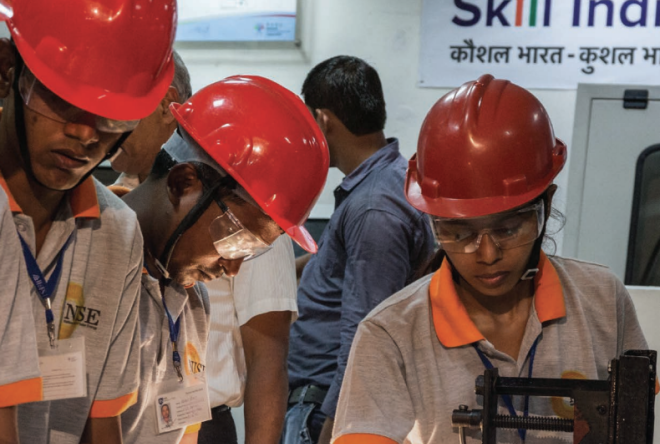
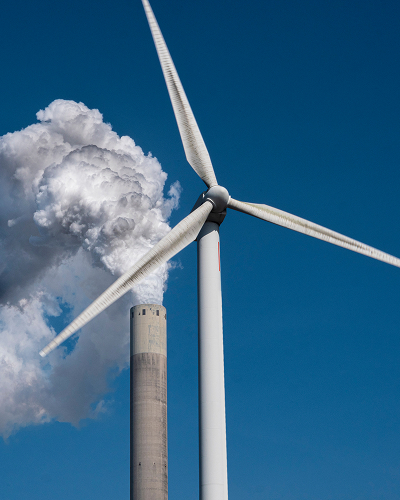
Jobs for a Livable Planet: Job Creation Potential of the Clean Energy Transition
Clean energy investments can drive growth and jobs in developing countries, but gains depend on policy choices, broader economic effects, and overcoming structural labor constraints.
Our Latest


Insights
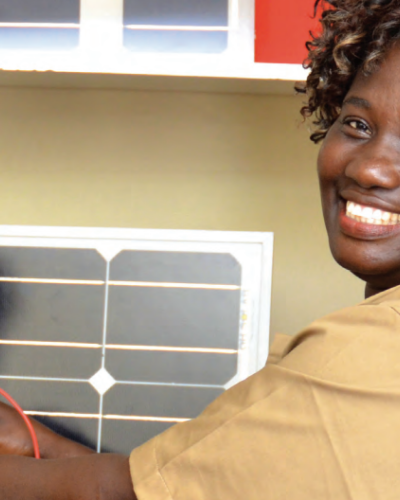
To bridge the gender gap and expand electricity access, the Nigeria Electrification Project is equipping female students with hands-on training in solar photovoltaic installation and renewable energy solutions.
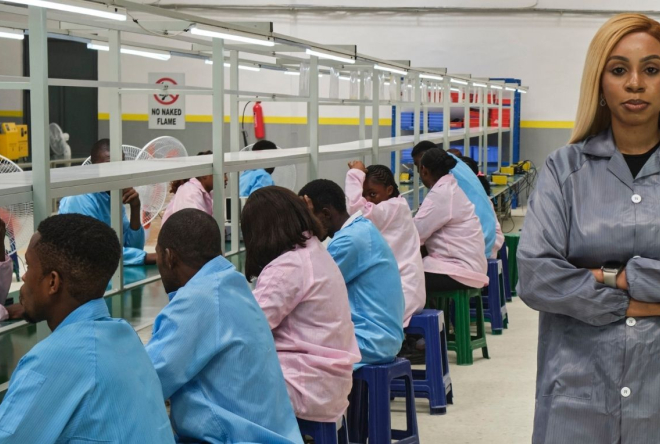
Feature Story: In Nigeria and Yemen, Power Beyond the Grid Creates Jobs for Women
On the factory floor in Calabar, a port city in southern Nigeria, rows of solar home systems move steadily along an assembly line staffed largely by young women. For many, it is their first job and a first step toward financial independence.