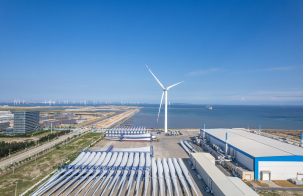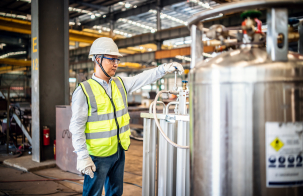










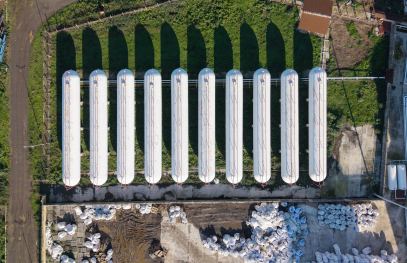

Clean hydrogen deployment in emerging markets and developing countries depends on the socioeconomic acceptance and local business opportunities near the production plants as well as timely environmental permits.

How clean hydrogen contributes to the transition to cleaner energy
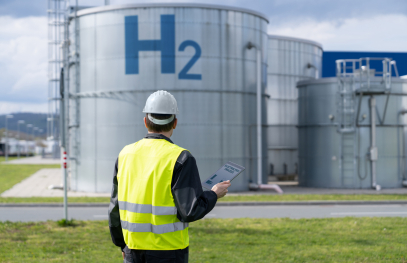
Hydrogen is typically a flammable gas and can act as an energy carrier by storing and transporting energy. Clean hydrogen includes both green hydrogen produced using renewable power and low-carbon hydrogen produced using fossil fuels combined with carbon capture, utilization, and storage. Clean hydrogen can replace conventional hydrogen in fertilizer production and refining. It can also replace fossil fuels in hard-to-abate sectors such as steel production, chemicals, shipping, and aviation.
How clean hydrogen contributes to development
Emerging markets and developing countries often offer ideal conditions for clean hydrogen production due to the availability of renewable energy (e.g., sun and wind). Therefore, clean hydrogen production is an opportunity to attract a new industry that creates jobs, fosters business opportunities around hydrogen plants, generates government income, and contributes to socioeconomic growth. Clean hydrogen can reduce fertilizer and natural gas import dependency and thus enhance energy and food security.
Clean hydrogen’s main challenges and solutions
Clean hydrogen is still more expensive than conventional hydrogen production. These costs can be reduced through cheaper financing if investment risks are mitigated appropriately. The World Bank and ESMAP are helping to reduce costs by designing financing instruments that de-risk projects with optimal efficiency and effectiveness.
Clean hydrogen is a powerful solution for decarbonizing hard-to-abate sectors. However, the sector is highly capital-intensive. Replacing just one percent of the world's current hydrogen production with clean hydrogen would require approximately $30 billion in investment.
Clean hydrogen deployment in emerging markets and developing countries depends on the socioeconomic acceptance and local business opportunities near the production plants as well as timely environmental permits.
We are supporting governments on strategy, regulation, and hydrogen hubs. Our financing is helping reduce project risk and crowd in private capital to move forward the hydrogen economy.