















Energy Subsidy Reforms
How Energy Subsidy Reforms Contribute to the Transition to Cleaner Energy
Reforming energy subsidies refers to changing government policies that artificially lower the cost of electricity, fuels, and district heating. The distortions caused by energy subsidies, particularly for fossil fuels, make the financing of clean energy and energy efficiency more difficult. Reforming energy subsidies can help ensure energy prices reflect true market costs of different energy forms, leveling the playing field for clean energy and energy efficiency.
How Energy Subsidy Reforms Contribute to Development
While typically intended to make fuel more affordable for the poor, energy subsidies are often counterproductive, disproportionately benefiting richer households who use more energy. Removing or reducing subsidies frees up billions of public funds that governments can redirect to healthcare, education, and infrastructure—areas with higher social returns. Instead of subsidizing energy consumption, governments may invest in grid expansion, renewable energy, and clean cooking solutions, supporting inclusive growth by improving energy reliability and affordability for underserved communities.
Energy Subsidy Reforms’ Main Challenges and Solutions
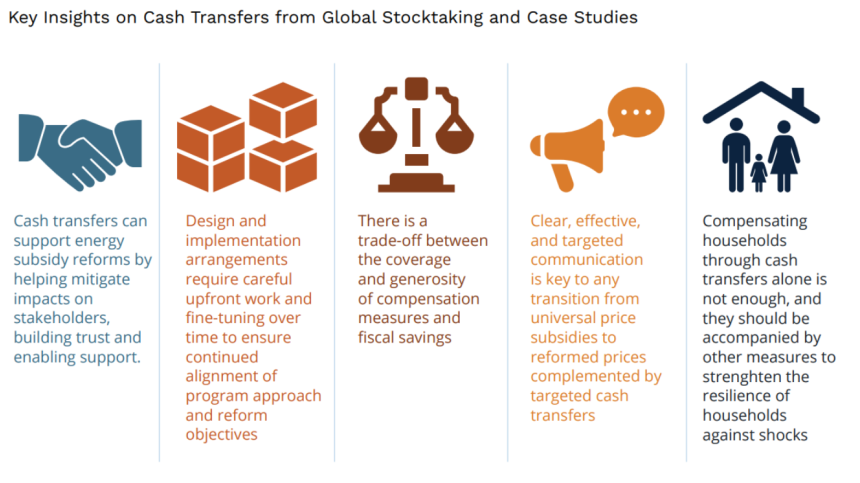
Energy subsidy reforms are technically complex and politically sensitive. ESMAP has distilled international good practices that highlight the importance of designing reforms carefully, implementing gradual price adjustments using transparent formulas, and putting mitigation measures in place to help manage the impact of reforms. Other aspects include clear public communication about reforms’ benefits and engagement with stakeholders throughout the process. Also, energy subsidy reforms need to be aligned with broader fiscal, climate, and social policies to maximize their impact.
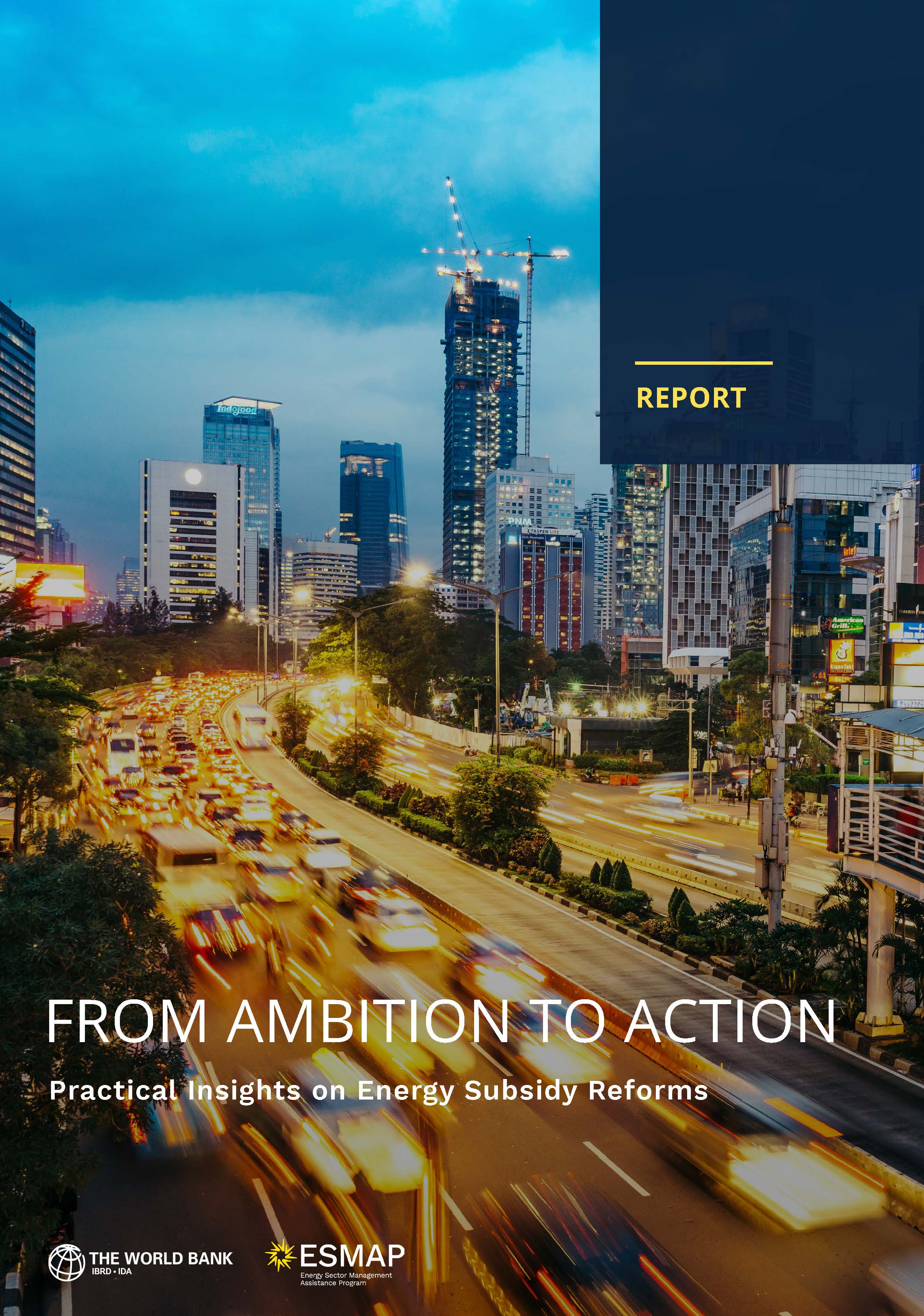
From Ambition to Action: Practical Insights on Energy Subsidy Reforms
Governments spend considerable public money to lower prices of electricity, fossil fuels, and district heating. While often intended to make energy affordable for low-income households, broad subsidies are counterproductive.
ESMAP Program
Energy Subsidy Reform Facility
Subsidy reforms are critical in developing countries with severe fiscal constraints and high opportunity costs—such as a lack of funds for investments in critical areas like health and education. ESMAP’s Energy Subsidy Reform Facility helps governments understand these trade-offs and design reforms that are equitable, economically sound, and politically feasible.
Data
Our Latest

The reality is that people like subsidized energy and are not happy when those subsidies are removed and prices increase. This means that reform efforts have to be designed alongside measures that are politically popular, not just compensation measures, but things that are genuinely popular. Such ‘offers’ can help to make reform politically feasible.