
How Hydropower contributes to the transition to cleaner energy
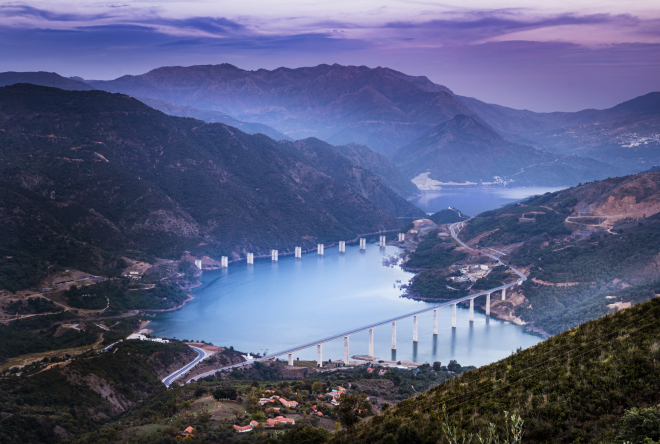
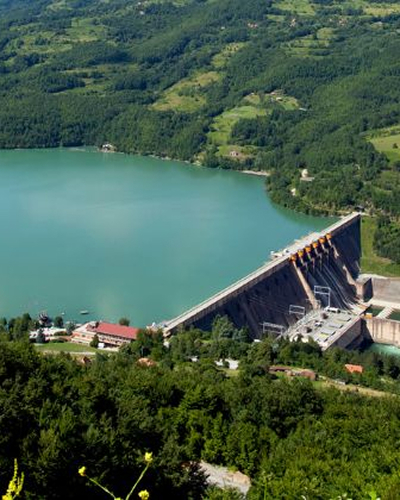
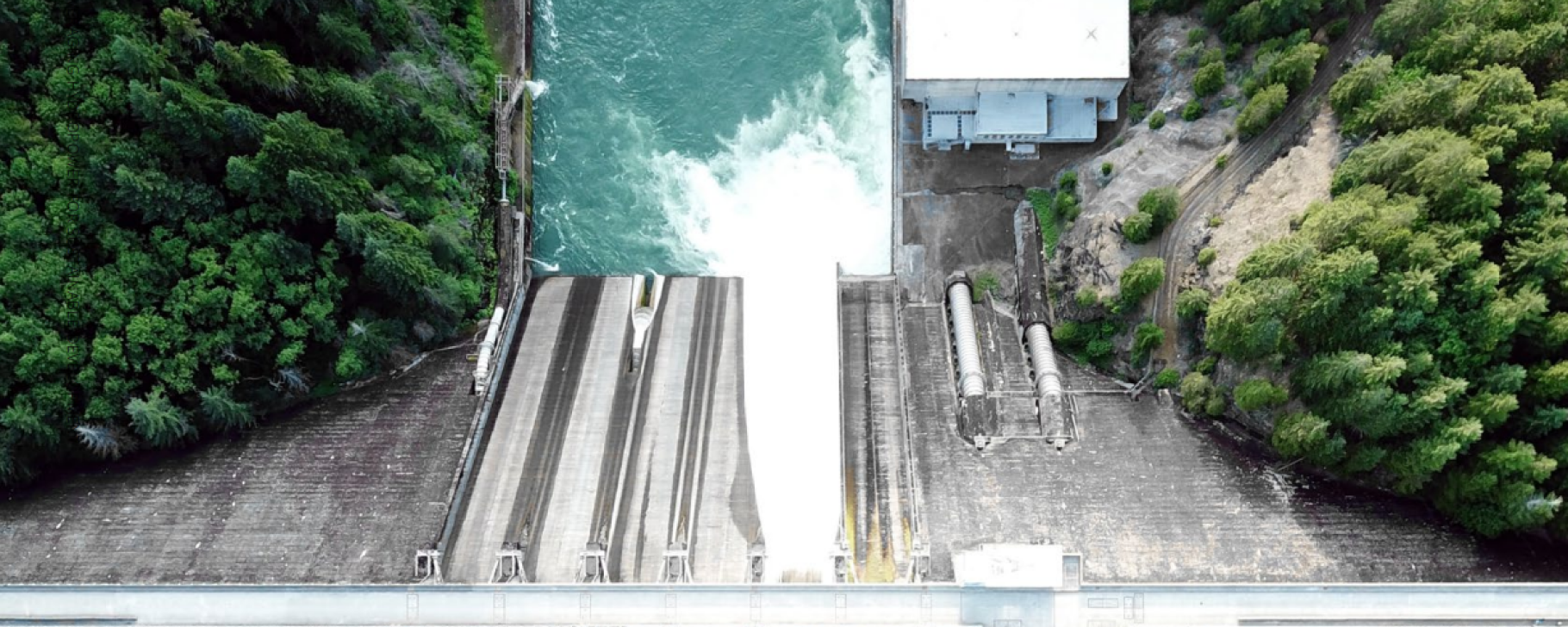
Hydropower is the single largest source of renewable electricity worldwide, supplying about 14% of global electricity and more than all other renewables combined (IEA 2025). Dammed water serves as a form of energy storage as releasing it to generate power emits very few greenhouse gases, supporting decarbonization and meeting net-zero targets. It can also ramp power output up or down rapidly, providing consistent access to- and supply of electricity.
How Hydropower contributes to development
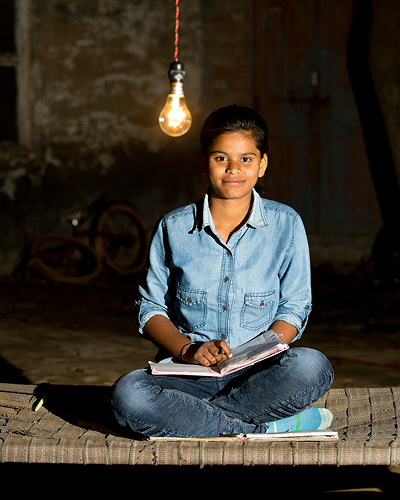
Hydropower provides clean and reliable electricity to communities, including in rural and remote areas. It can improve living standards, education, and healthcare by powering schools, clinics, and homes. Hydropower also provides one of the lowest-cost sources of electricity, reducing reliance on expensive fuel imports. The affordability of hydropower supports industrial growth and attracts investment in emerging economies.
Hydropower’s main challenges and solutions
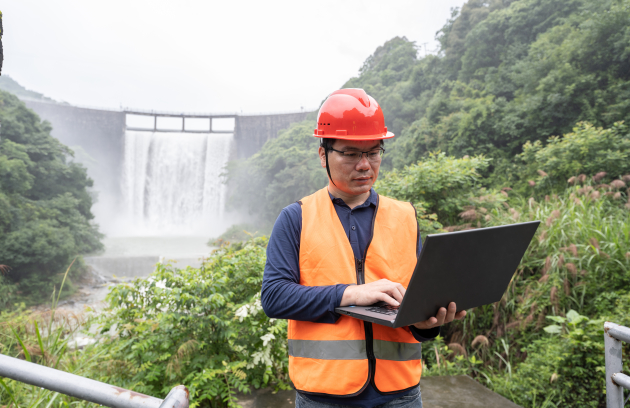
Barriers to hydropower development include weak governance and institutions, technical challenges, and financial hurdles. Limited expertise in mitigating environmental and social risks can erode the social license to operate. ESMAP provides support for sustainable hydropower development by lowering upfront risks and costs, including upstream policy and regulatory advice, technical assistance, and grants advancing projects to investment. ESMAP also produces technical reports and shares best practices in hydropower development.