













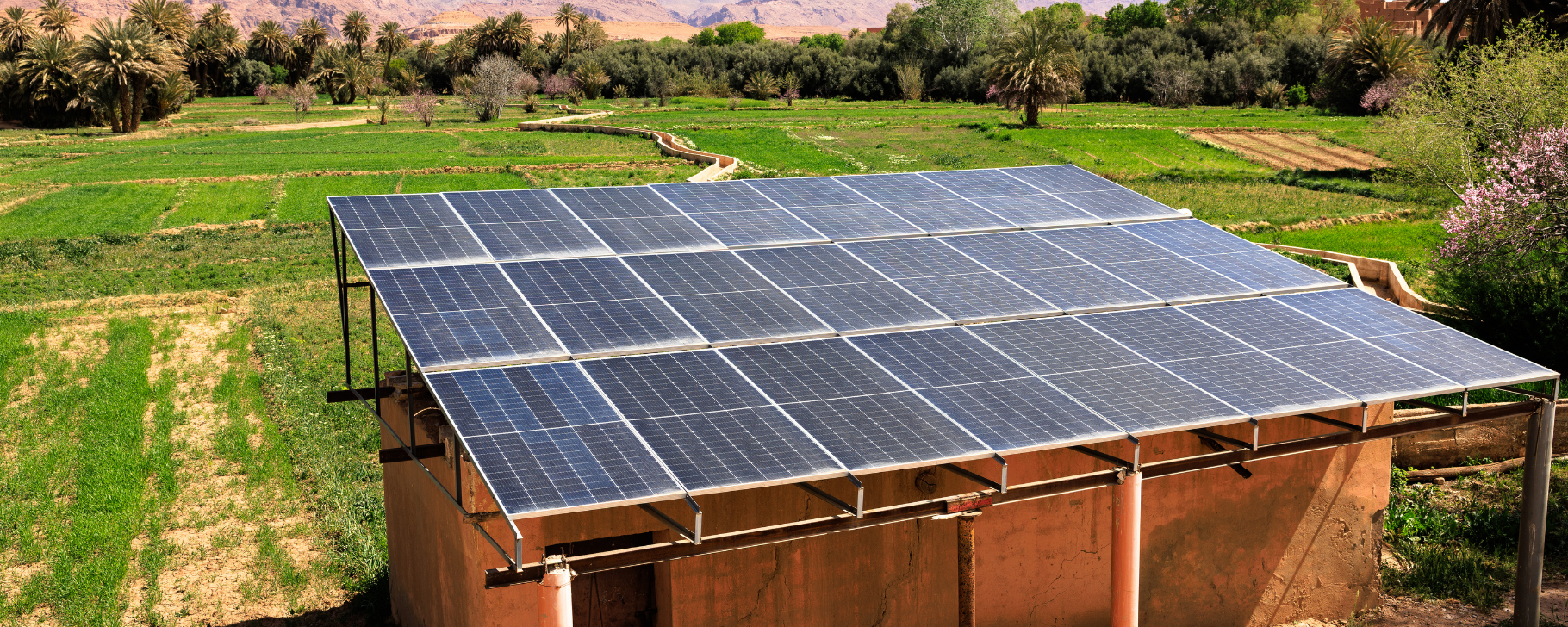
How Off-Grid Solar Contributes to Energy Access
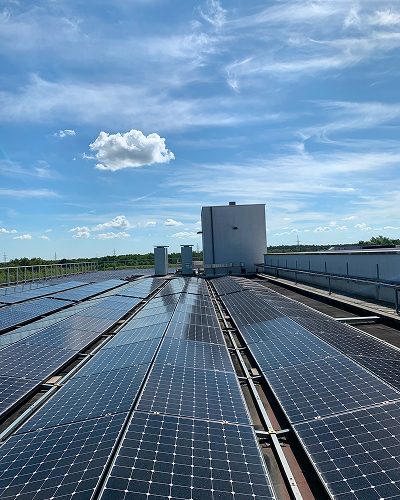
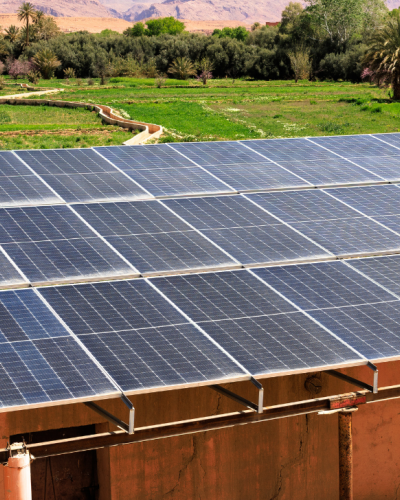
Off-grid solar delivers electricity through standalone, solar-powered products, offering a rapidly deployable and affordable offering for people without reliable grid access. Provided primarily by private-sector companies, off-grid solar is critical to closing the electricity access gap due to its potential reach, speed of deployment, and flexible payment terms, relative to grid expansion. In 2023, around 561 million people were benefiting from off-grid solar devices.
How Off-Grid Solar Contributes to Development
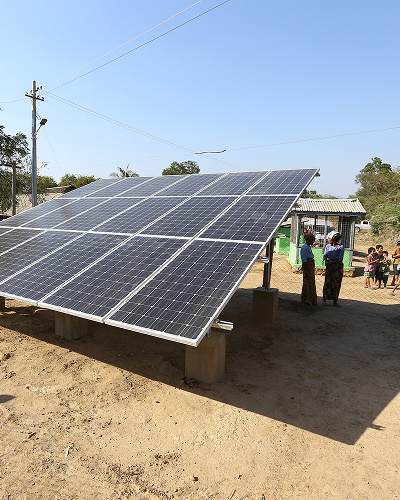
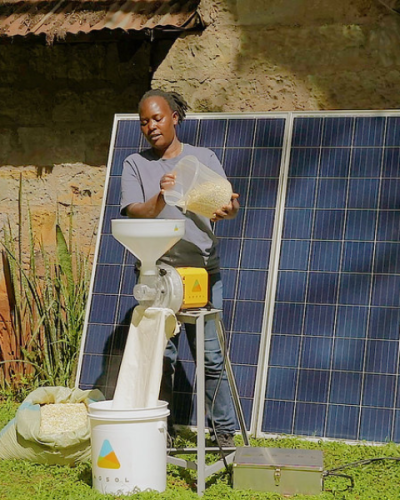
Off-grid solar delivers immediate, tangible benefits—from basic lighting that replaces costly, polluting kerosene and battery torches, to systems powering schools, clinics, and businesses. These solutions may save money or cost fractionally more than traditional energy sources -- offering a vast improvement in quality of life and air quality, and supporting income generation. For millions, especially in remote or fragile areas beyond the reach of the grid, off-grid solar offers a pathway out of energy poverty.
Off-Grid Solar’s Main Challenges and Solutions
Off‑grid solar expansion faces challenges, particularly in relation to affordability, access to finance, product quality, and long‑term maintenance—especially in remote or fragile settings. ESMAP support includes guidance for solutions which reduce upfront costs through targeted subsidies, pay‑as‑you‑go models, and strengthening market ecosystems with better financing, quality assurance and policy frameworks.