





Clean Cooking Planning Tool
The Clean Cooking Planning Tool helps energy planners, decision makers, program developers, and researchers visualize potential transition pathways to universal access to clean cooking solutions by 2030.
How does clean cooking contribute to energy access?
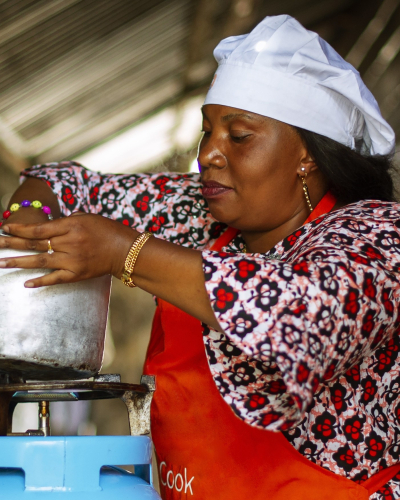
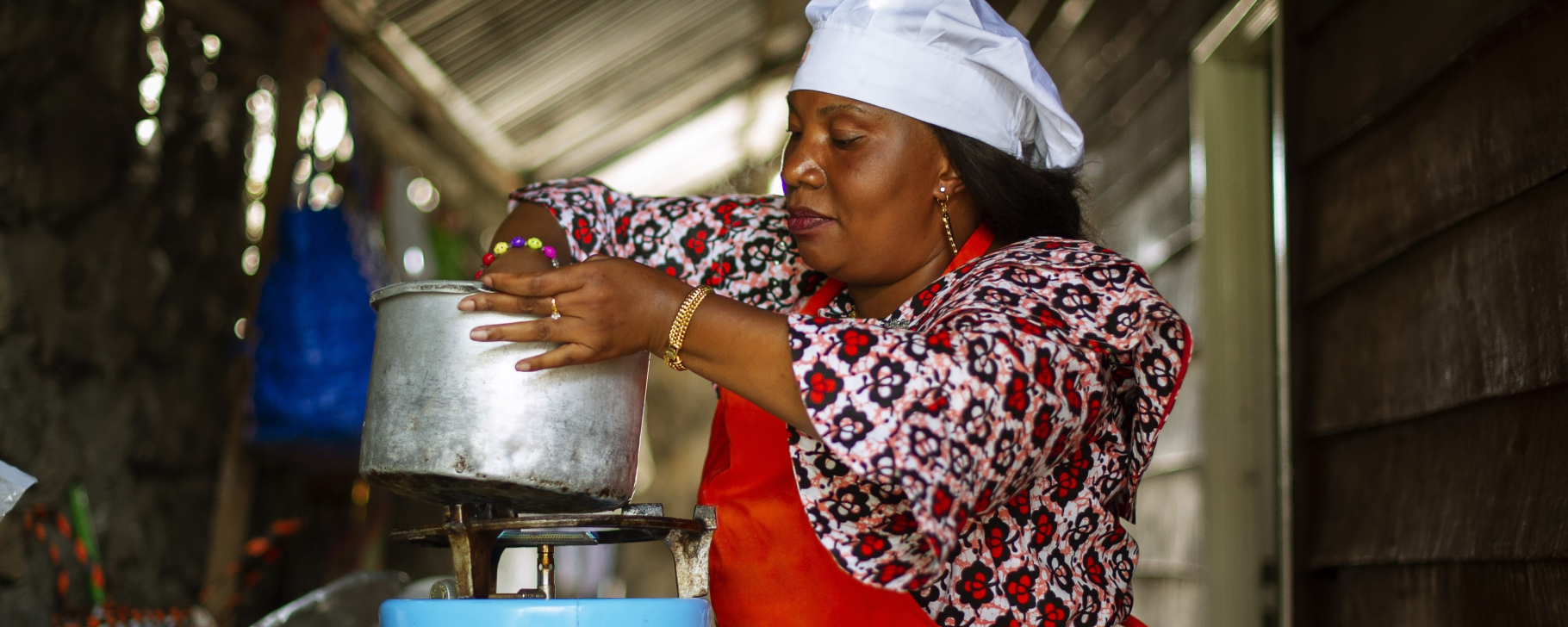
Clean cooking refers to the use of efficient cookstoves in combination with low-polluting cooking fuels such as electricity or gas instead of kerosene or open fires burning wood, animal dung, or coal. Energy used for cooking accounts for more than half of household energy consumption and expenditure in many middle- and low-income countries. There is no access to modern energy services without considering clean cooking as part of the equation.
Clean cooking’s role in development
The transition to clean cooking is critical to SDG 7 (achieving universal energy access by 2030). In 2026, about 2 billion people relied on polluting fuels and technologies for cooking. Changing this would help prevent around 2.9 million deaths each year from household air pollution, including more than 309,000 deaths of children under the age of 5 (WHO 2025). Accelerating access to clean cooking solutions would help fight climate change, promote gender equality, and help create jobs.
Challenges and solutions to clean cooking
Clean cooking solutions are often unaffordable for low-income households, while awareness of their benefits remains limited. Weak supply chains and inadequate infrastructure further hinder adoption, especially in emerging markets. Overcoming these barriers requires technology-neutral approaches, including policy reform, targeted subsidies, and innovative financing. ESMAP’s Clean Cooking Fund advances global advocacy and stakeholder engagement while providing financing, technical assistance, and systematic support to developing countries to scale clean cooking access.
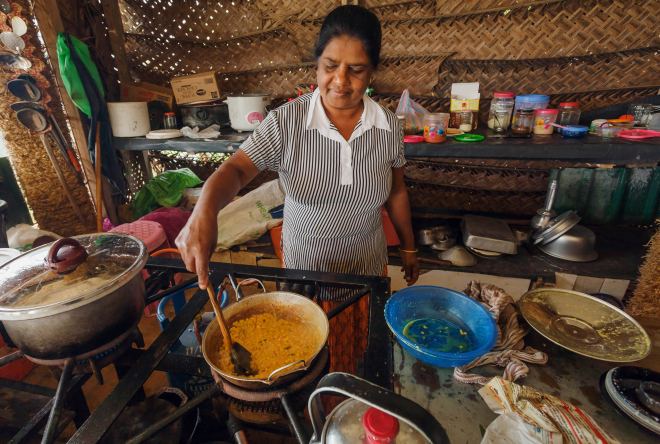
For more than two billion people, preparing a daily meal still comes at a high cost to health, livelihoods, and the environment, with women and children most affected. Unlocking Clean Cooking Pathways: A Practitioner’s Keys to Progress explores what is holding the sector back and how dedicated investment, inclusive national strategies, and stronger markets can accelerate access to safer, cleaner cooking for those who need it most.
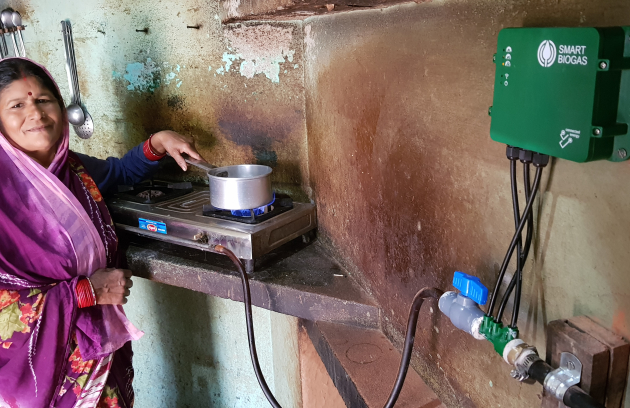
ESMAP’s Clean Cooking Fund (CCF) helps to scale up public and private investments by co-financing with multilateral development banks, catalyzing technology and business innovation, and linking incentives with verified results. It aims to mobilize $500 million.
The Clean Cooking Planning Tool helps energy planners, decision makers, program developers, and researchers visualize potential transition pathways to universal access to clean cooking solutions by 2030.
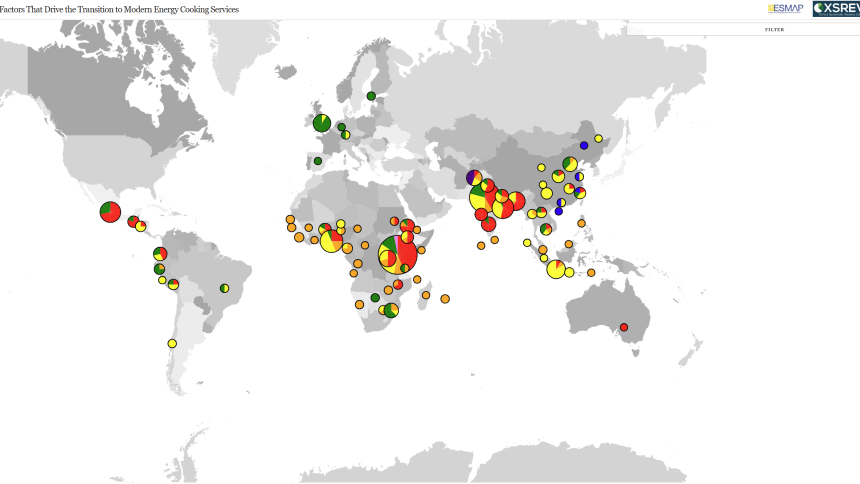
To achieve the world’s target of universal access to clean cooking by 2030, around $150 billion is needed annually. The World Bank’s and ESMAP’s approach to expand access to clean cooking explained in under 3 minutes.
Three billion people, particularly women and children, still cook with polluting fuels and technologies and face serious health, economic, environmental and climate impacts. That must change.
The ESMAP Clean Cooking Fund will build on our previous work by scaling up the already successful programs, supporting regional platforms, increasing cross-sectorial efforts, creating new tools to facilitate projects designs in reaching underserved communities and connecting the dots between clean-cooking knowledge and real-world needs.
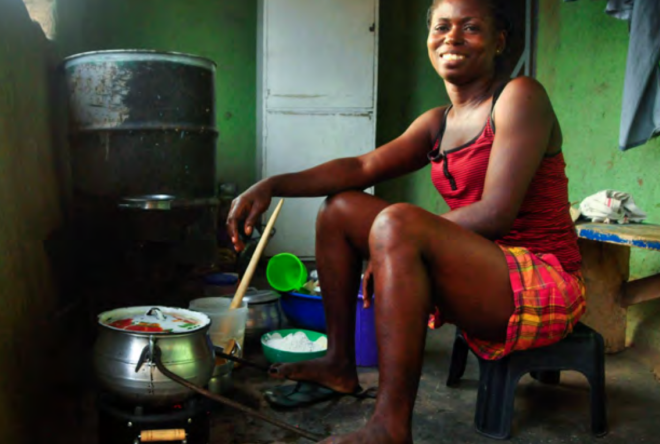
The facility introduced five types of new, high-efficiency, quality-assured biomass stoves. Well exceeding the target goal, over 72,000 of these stoves were delivered and adopted by Ugandan households as of September 2020. These fuel-efficient stoves led to a 30 percent decrease in CO2emissions (compared to those they replaced) and save 20,740 tons of charcoal per year.