








The week began at WindEnergy Hamburg, where delegates joined sessions on key themes from grid build-out to auction design. One lesson quickly emerged: grid integration cannot be bolted on after an offshore wind auction. Transmission planning, procurement design, regulation and system operations need to advance together.
As I often say, “if you love offshore wind, you need to at least like transmission.” Turbines may get the glamour shots; the grid still has to take the power home.
At TenneT's SuedLink Information Centre and construction site, delegates learned about TenneT's offshore strategy and one of Germany's major high-voltage direct current (HVDC) transmission projects. The visit highlighted the long lead times and onshore reinforcements needed to move large volumes of power. It was a useful reminder that while wind farms can be developed comparatively quickly; major transmission infrastructure often takes much longer.
In Esbjerg, we asked each delegation two questions: What keeps you awake at night? And what questions do you most need to answer?
The similarities were striking. Countries with very different markets were wrestling with many of the same challenges.
Three questions surfaced repeatedly:
- Who moves first – should transmission be built ahead of projects or wait for developer commitment?
- Who bears the risks associated with delays, congestion and curtailment?
- What happens when the best wind resource is not located where the grid is strongest?
Workshops, featuring contributions from the Port of Esbjerg, Vattenfall and the Danish Energy Agency, gave delegates an opportunity to compare approaches rather than hunt for one answer. A smaller group visited Vattenfall's Operational Control Center, while the full delegation toured the Port of Esbjerg and its Wind Hub to see the operational and logistics backbone behind offshore wind.
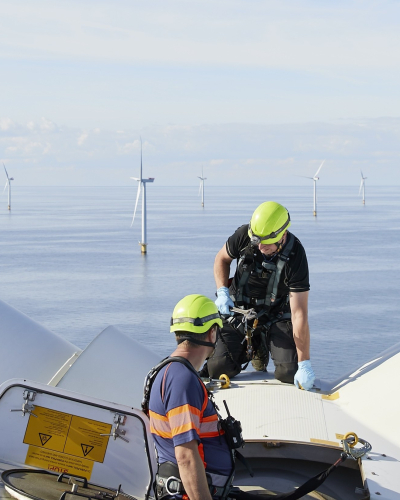
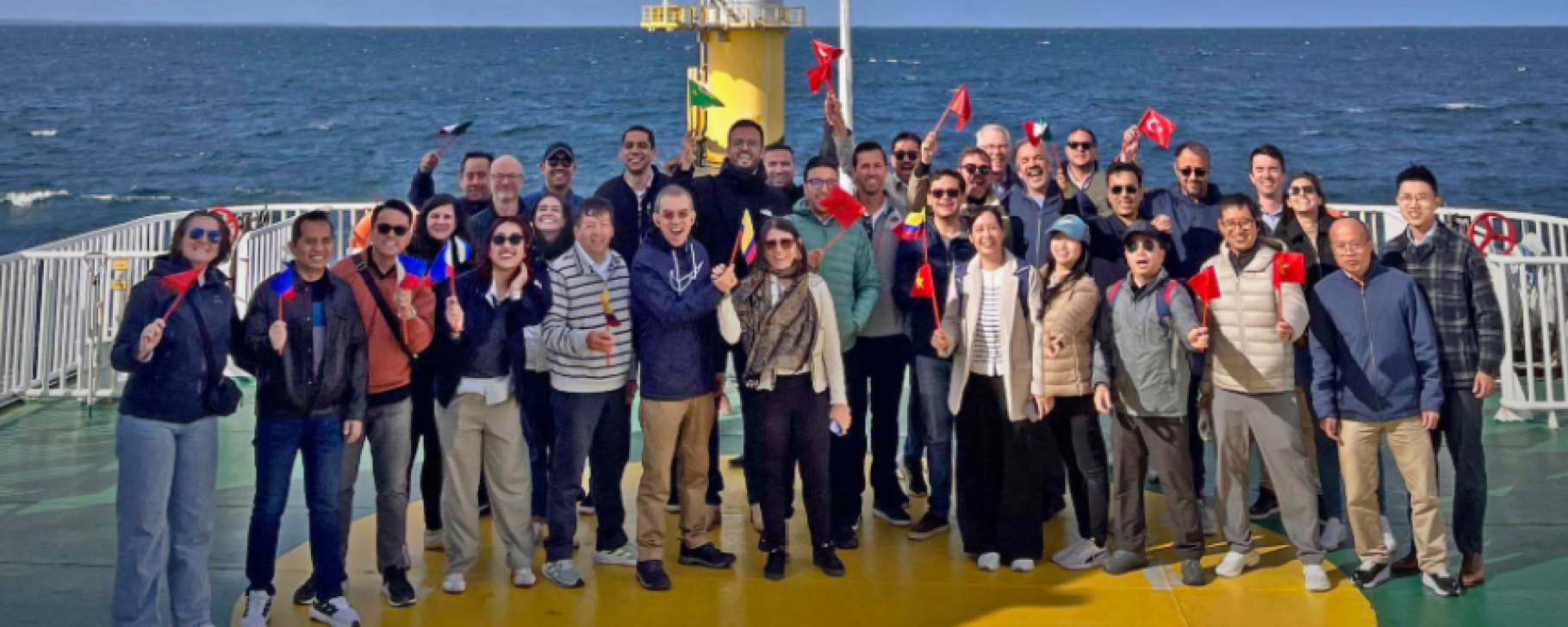
The final technical visit took us offshore to Ørsted's Anholt Offshore Wind Farm. During the vessel journey, Ørsted's team discussed regulation, operations and the practical experience of managing a 400 MW wind farm with 111 turbines . After days spent discussing planning frameworks, rules and grids, seeing the infrastructure operating at sea brought the conversation vividly to life. As I like to say: “the only thing better than talking about offshore wind is seeing offshore wind."