




















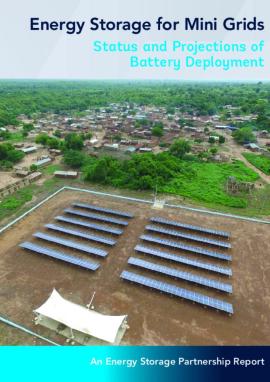
Energy Storage for Mini Grids: Status and Projections of Battery Deployment
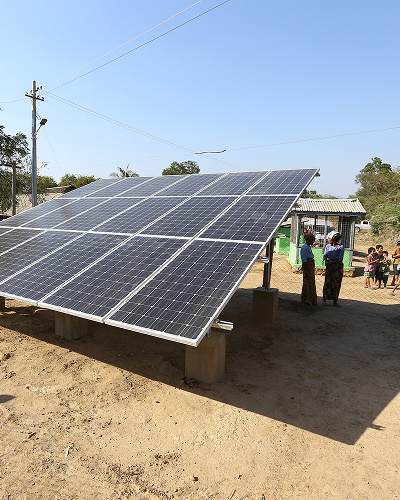
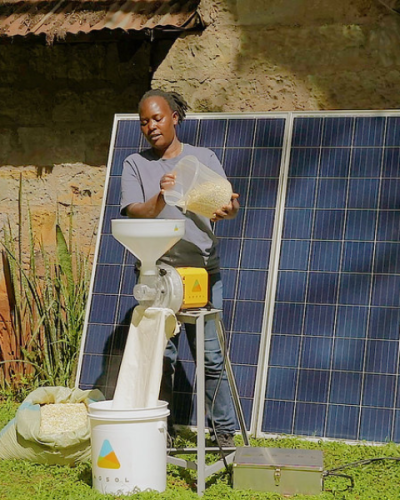
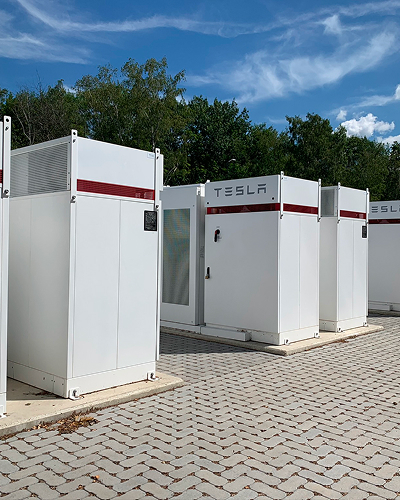
Mini grids, with approximately 21,000 installed globally, are emerging as a viable energy access solution. To reach half a billion people by 2030, the world requires 217,000 mini grids, largely solar powered with battery backup. Battery storage plays a critical role in mini grids, with lithium-ion batteries gaining popularity over traditional lead-acid batteries due to cost reductions, longer lifespan, and minimal maintenance requirements. This ESMAP report focuses on battery technologies in off-grid mini grids with a focus on trends in battery deployment and cost trends, as well as advantages and disadvantages of different battery types. Selecting battery technology for mini grid projects is a multifaceted decision based on factors, such as cycle life, depth of discharge, type of load, energy density, C-rating, thermal runaway, maintenance, after-sales service, hardware compatibility, maturity, cost, battery degradation, operating conditions, and environmental concerns. Mini grid energy storage recommendations include: studying battery performance in actual operating conditions; considering total cost, as well as upfront battery cost; adopting safety and performance standards; promoting recycling practices; encouraging the use of repurposed battery technologies; exempting mini grid batteries from import duties; providing technical skills training; and creating standard operating procedures to understand battery technology performance.
Related Publications

Request copies of ESMAP publications
Lorem ipsum dolor sit amet consectetur. Enim auctor pellentesque cras pharetra. Nulla suspendisse dui aliquet ac diam quam feugiat.