
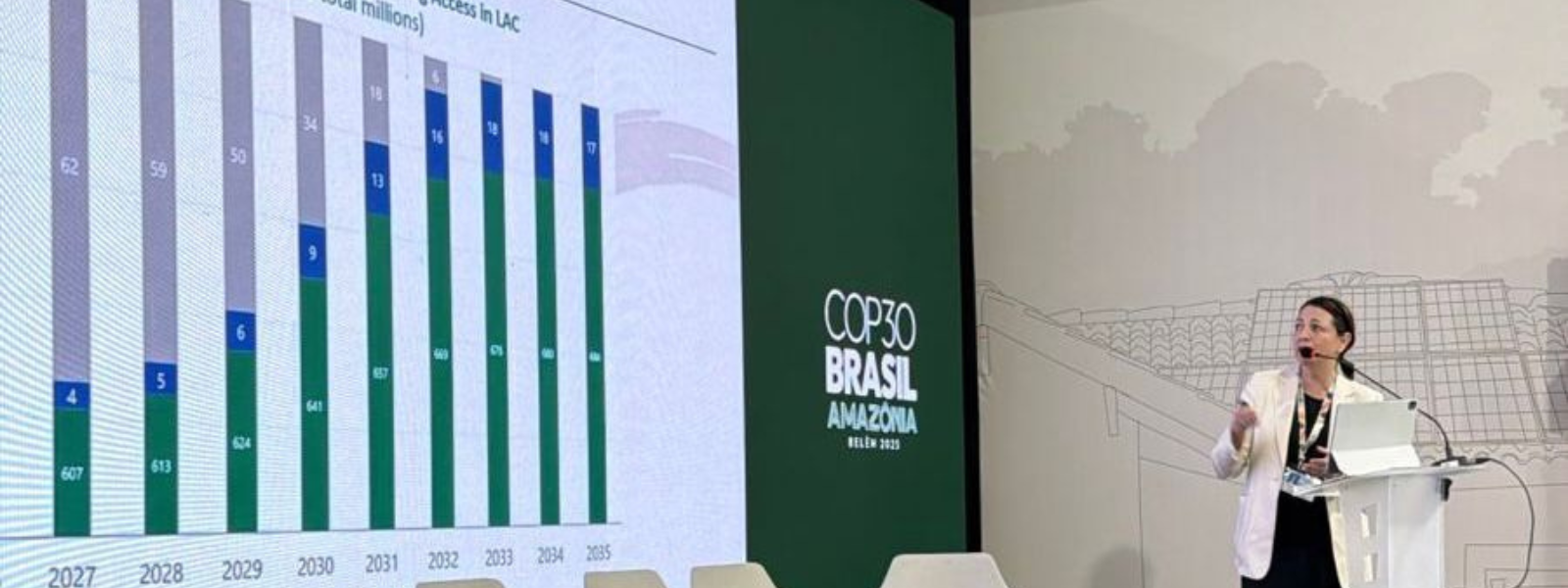
Event: Accelerating SDG 7 Goals Through Universal Clean Cooking Access
Clean cooking has long been overlooked in global energy discussions, yet it is critical for health, gender equality, and climate goals. At the event, senior representatives from the Brazilian government, the World Health Organization (WHO), SEforALL, the International Energy Agency (IEA), the Clean Cooking Alliance (CCA), and the Inter-American Development Bank (IDB) joined the World Bank Group to chart a path forward for clean cooking. Through its Clean Cooking Fund (CCF), ESMAP has been instrumental in making this happen—mobilizing financing, leveraging resources, and building programs that deliver impact. Since 2020, the CCF has allocated US$86 million in grants across 28 countries, co-financed 12 major projects, and attracted over US$391 million from IDA/IBRD, carbon finance, and private investment—benefiting more than 37 million people globally.
>> Learn more
Event: 10GW Lighthouse Hydrogen Initiative
With support from 15 major development finance institutions, including the World Bank Group, ESMAP’s 10GW Lighthouse Initiative is accelerating renewable hydrogen deployment in emerging markets. At COP30 in Brazil, global partners—including the Breakthrough Agenda, International Hydrogen Trade Forum, International Partnership for Hydrogen and Fuel Cells in the Economy (IPHE), and United Nations Industrial Development Organization (UNIDO)—joined forces with governments, financiers, and industry to align action on hydrogen solutions. The initiative aims to bring 10 GW of renewable hydrogen electrolysis capacity to final investment decision by 2030. Progress so far includes identifying 10 priority countries, mapping 68 projects from a pipeline of 500, enabling 1 GW of early-stage electrolyzer capacity, and advancing studies for financial structuring and contracts.
>> Learn more
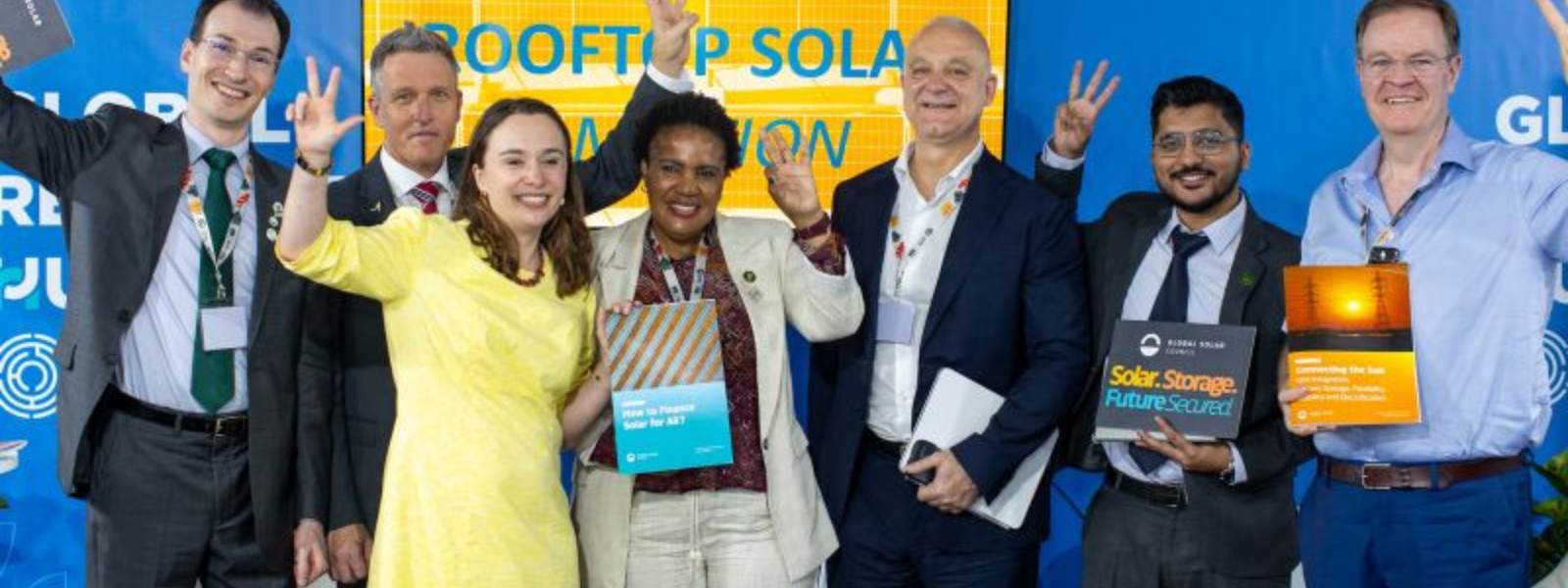
Event: 300 Million Solar Homes by 2030: How Rooftop Solar is Our Superpower to Achieve 3X Renewables
The goal of 300 million solar homes by 2030 is ambitious but achievable. Today, most growth in rooftop solar happens in high- and middle-income countries. To make this a truly global revolution, efforts must expand to lower-middle and low-income countries, where the impact can be transformative. Scaling up rooftop solar offers big benefits: lower energy bills, cleaner air, and more renewable power, but also brings challenges, such as grid integration and utility financial sustainability. These issues demand smart planning and collaboration.
The discussion was organized by the Global Solar Council and Smart Energy Council. The emphasis was that solar is now the lowest-cost path to reliable electricity in many countries. And through ESMAP, the World Bank Group is supporting this transition with tools, guidelines, and financing for large-scale operations alongside governments, utilities, and financial intermediaries.
>> Learn more
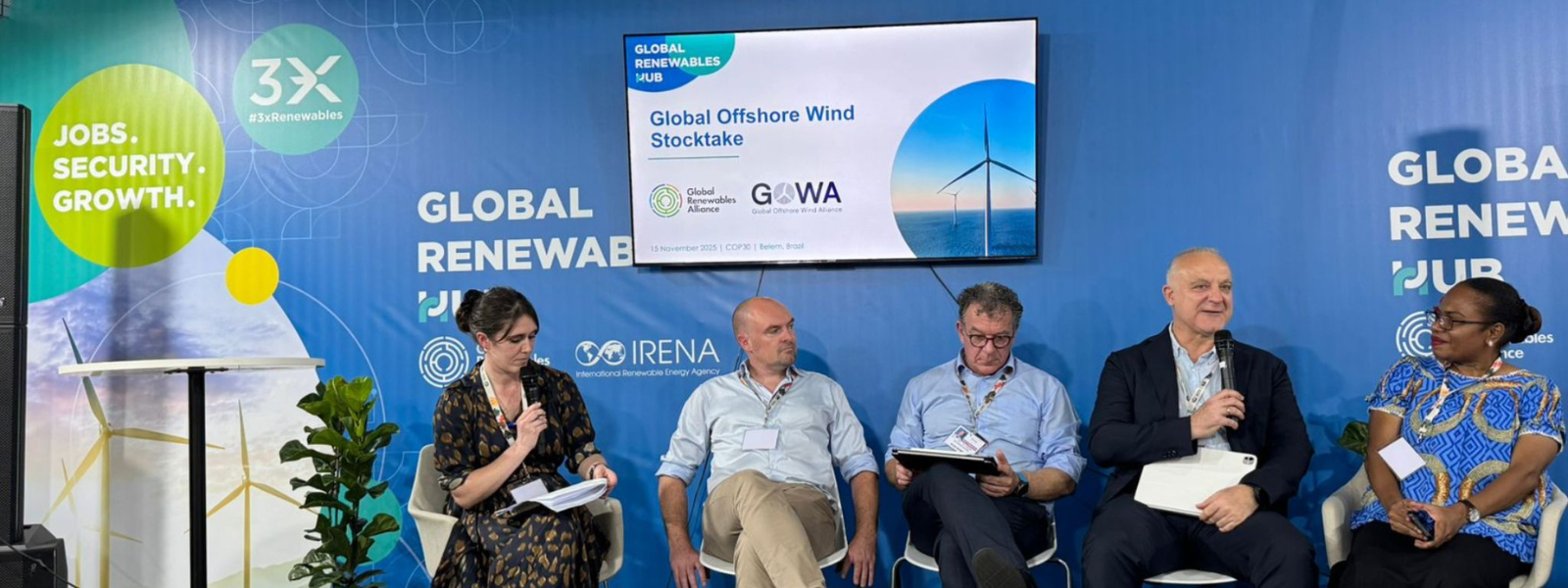
Event: Global Offshore Wind Stock
Offshore wind energy is advancing rapidly, amid supply chain challenges and high capital costs. The benefits are significant: creating jobs, boosting energy security, and delivering reliable clean power at scale. At the COP30 Global Offshore Wind Stocktake high-level panel, hosted by the Global Offshore Wind Alliance (GOWA), the World Bank’s Demetrios Papathanasiou highlighted ESMAP’s efforts to help countries unlock offshore wind’s vast potential. He stressed that collaboration is essential to building thriving offshore wind industries. The World Bank Group values its partnerships with GOWA, the Global Wind Energy Council (GWEC), and governments and industry leaders to accelerate offshore wind deployment in emerging markets.
>> Learn more

Report Launch: From Transactions to Transitions: Scaling Private Finance for Clean Energy in Emerging Market and Developing Economies
At COP30, the Global Clean Power Alliance’s Finance Mission launched a roadmap for High-Quality Energy Investment Planning, developed by ESMAP and the Green Finance Institute (GFI), to help emerging markets attract private investment at scale. This practical framework draws on real-world case studies from Brazil, South Africa, India, Egypt, Kenya, and the Caribbean, offering lessons on building pipelines of bankable projects and coordinating finance ecosystems. ESMAP made this possible through technical assistance, concessional finance, and risk mitigation instruments under its Sustainable Renewables Risk Mitigation Initiative (SRMI), working closely with governments and partners to align investment planning with private finance requirements and accelerate system-level clean energy transitions.
>> Learn more | Download the Report

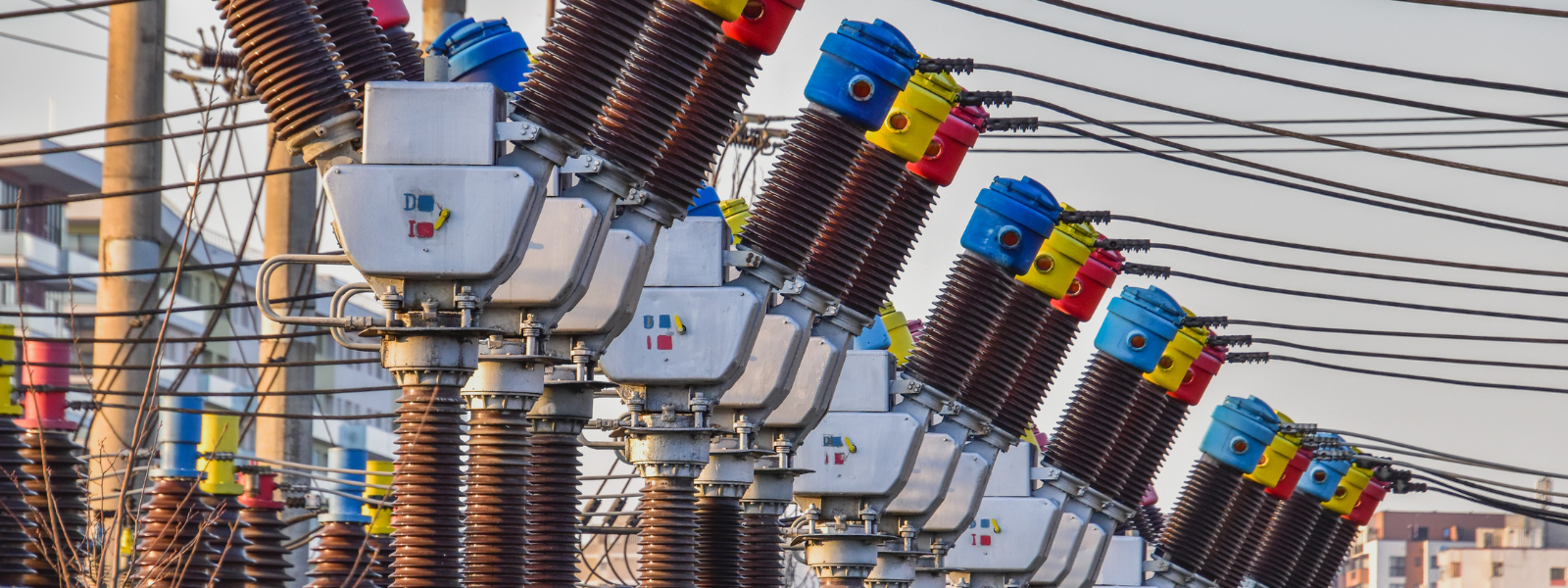
Eastern and Southern Africa - Technical Assistance to the Southern African Power Pool Project Under Second Phase of the Regional Energy Transmission, Trade and Decarbonization (RETRADE) Project in Southern Africa Using Multiphase Programmatic Approach (MPA) Program
The World Bank board approved a grant to the RETRADE Southern Africa, MPA Program. The grant consists of US$10 million of IDA funding accompanied by US$2 million from ESMAP. This project is leveraging regional power integration—one of the five pillars of the National Energy Compacts — to support a transformative opportunity to expand electricity access and strengthen energy sector foundations, in support of Mission 300. These efforts are also expected to support broader economic diversification and inclusive job creation across sectors.
>> Learn more

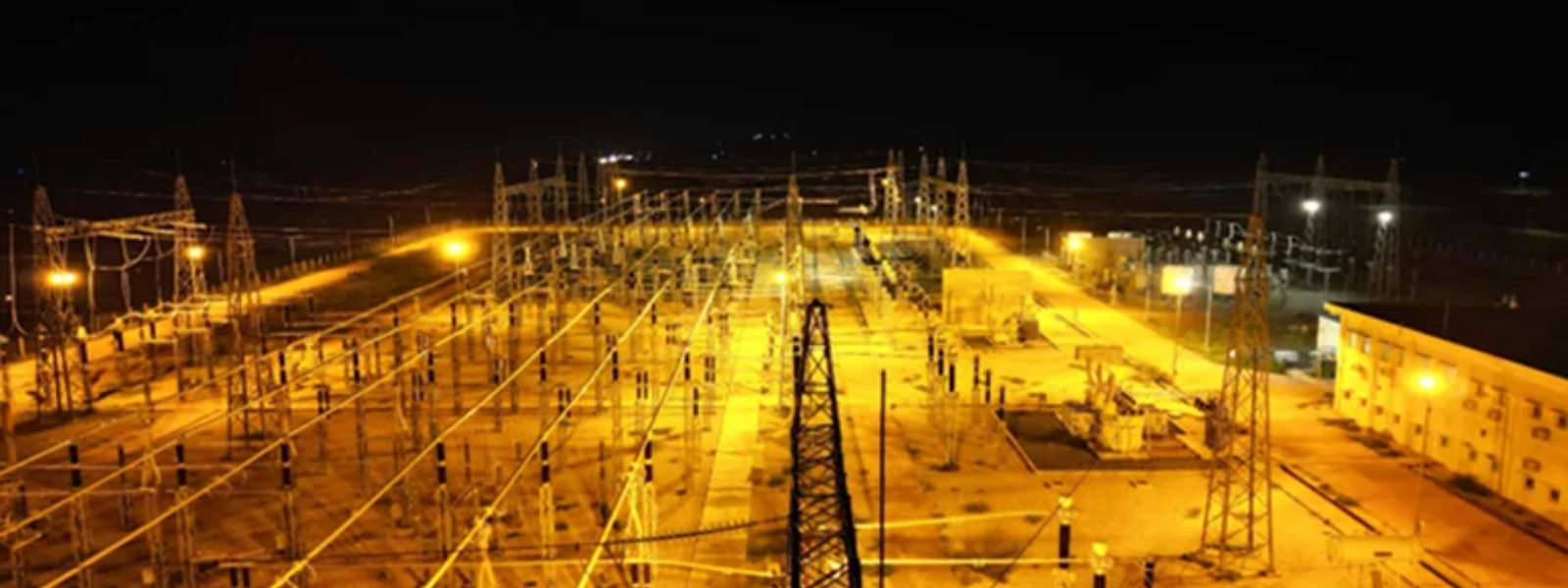
West Africa Power Pool (WAPP) Successful Completion of the First Synchronization of the Nigeria-Niger Transmission Network (Zone 1)
The West Africa Power Pool (WAPP) successfully completed the first synchronization of the Nigeria-Niger transmission network (Zone 1) with the interconnected systems of the remaining West African countries (Zone 2 and 3). This milestone enabled uninterrupted power flow, for four hours, from Nigeria/Niger to Mauritania traversing several countries, including Benin, Burkina Faso, Côte d’Ivoire, Ghana, The Gambia, Guinea, Guinea Bissau, Liberia, Mali, Senegal, Sierra Leone and Togo. ESMAP’s contribution has been instrumental in this trans-national and regional achievement. The synchronization is a component of the RETRADE-SA Multiphase Programmatic Approach (MPA) Program, which ESMAP helped develop and continues to support.
>> Learn more

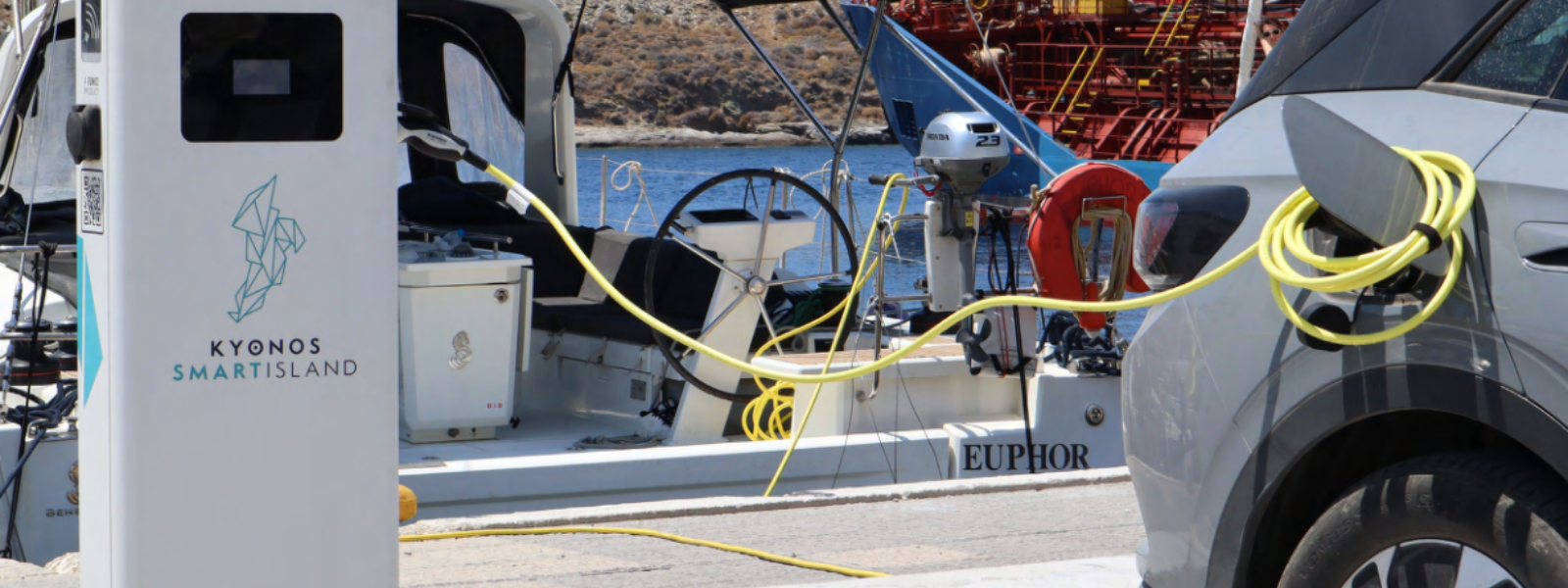
E-Mobility on Mini Grids with Very High Variable Renewable Energy Penetration
The report reviews current e-mobility practices in mini grids, highlights the benefits and challenges of Electric Vehicles with Renewable Energy Resources (EV-RES) integration, and emphasizes the need for strategic planning, project funding, and support for energy storage, including second-life EV batteries, to achieve high renewable penetration and transportation electrification. The report was prepared by ESMAP with contributions from the Alliance for Rural Electrification (ARE), Ricerca sul Sistema Energetico (RSE), Loughborough University, and the Inter-American Development Bank (IADB).
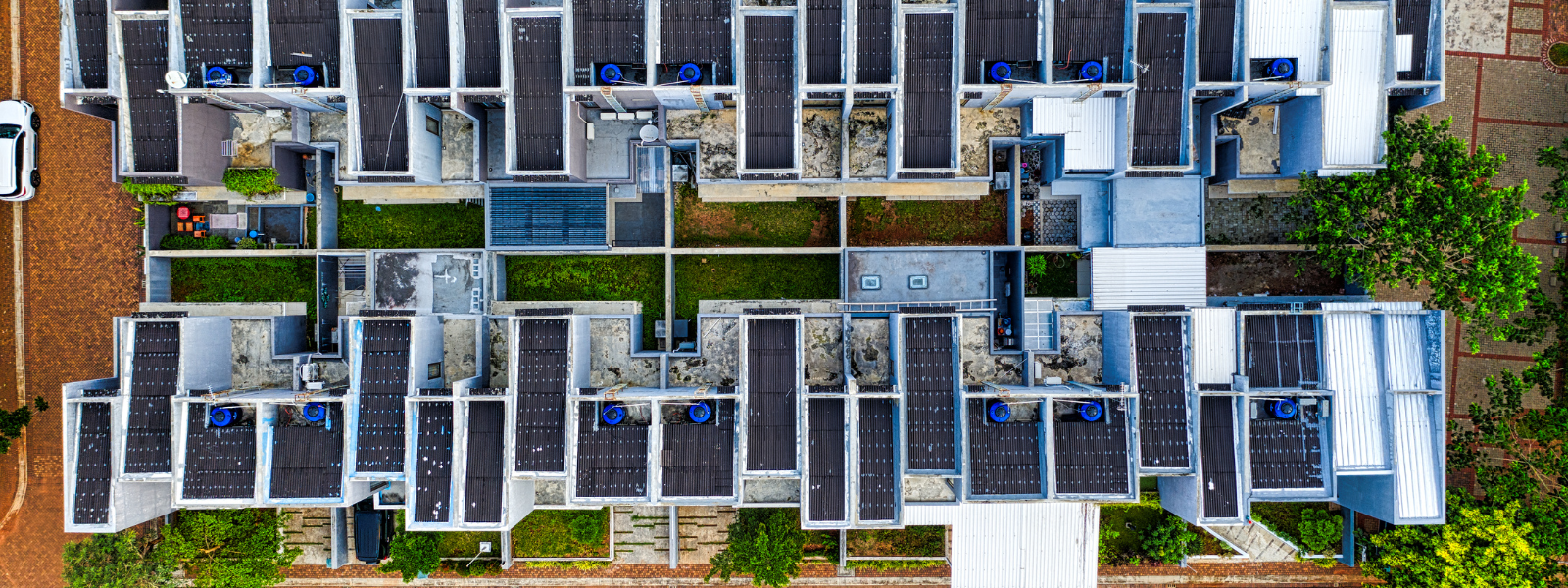
LIVEWIRE: Exploiting the Potential of Energy Efficiency in Residential Buildings
The residential sector makes up about 70 percent of building energy demand. Although the sector offers huge potential for energy efficiency gains, a range of barriers impedes the realization of these benefits. Fortunately, a wealth of global experience shows how these challenges can be overcome through a combination of sound planning, strong policy and regulatory frameworks, well-designed financing and incentives, robust institutional and market development, and accessible information to scale up residential energy efficiency.

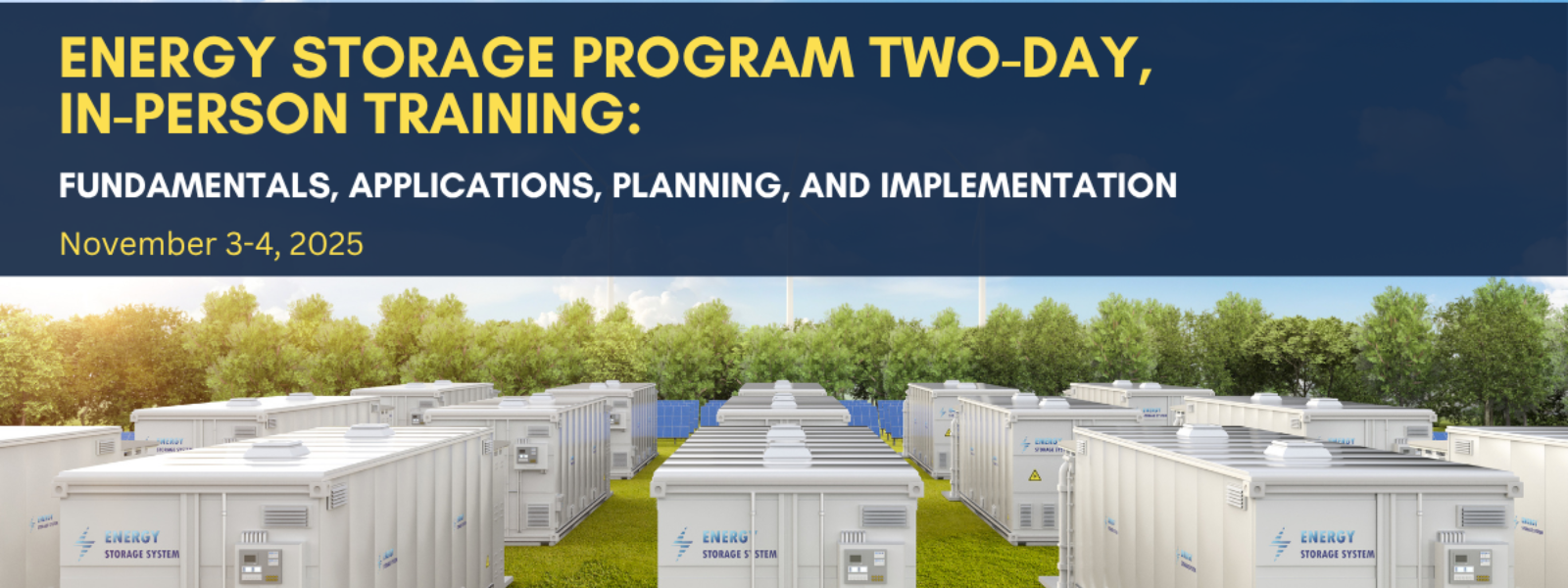
Energy Storage Program Two-Day In-Person Training: Fundamentals, Applications, Planning, and Implementation of Energy Storage Systems
The in-person training was designed to equip participants with technical knowledge and insights needed to assess, plan, design, and implement energy storage projects effectively. The training sets a strong foundation for advancing knowledge on energy storage systems through modeling, country studies, and a variety of visuals. Nearly 50 participants explored the fundamentals of energy storage technologies, their applications, and their critical role in modern power systems. Sessions emphasized strategies for integrating renewables and building resilient energy infrastructure, while fostering collaboration and knowledge exchange among experts and stakeholders. This engaging training provided valuable insights to support real-world solutions for sustainable energy transitions.
>> Learn more | LinkedIn
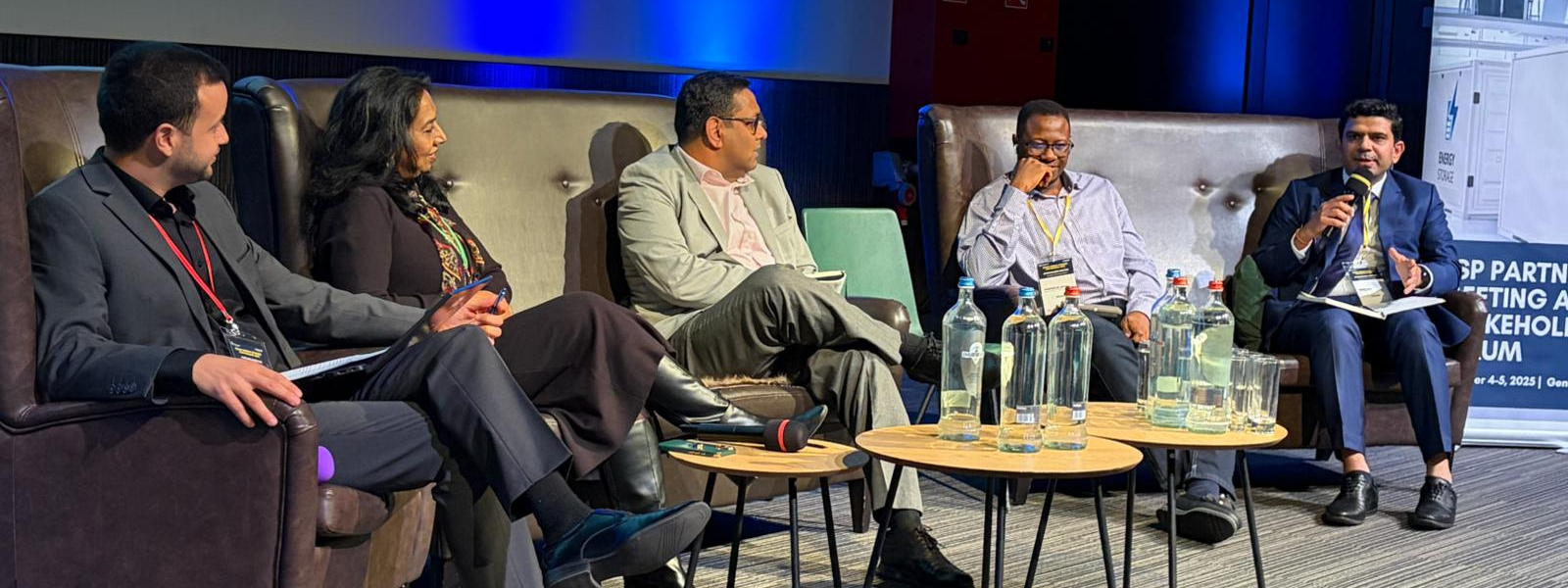
Yearly Energy Storage Partners’ Meeting and Stakeholders Forum
The in-person training was designed to equip participants with technical knowledge and insights needed to assess, plan, design, and implement energy storage projects effectively. The training sets a strong foundation for advancing knowledge on energy storage systems through modeling, country studies, and a variety of visuals. Nearly 50 participants explored the fundamentals of energy storage technologies, their applications, and their critical role in modern power systems. Sessions emphasized strategies for integrating renewables and building resilient energy infrastructure, while fostering collaboration and knowledge exchange among experts and stakeholders. This engaging training provided valuable insights to support real-world solutions for sustainable energy transitions.
>> Learn more | LinkedIn

Material in this newsletter is copyrighted. Requests to reproduce it, in whole or in part, should be addressed to esmap@worldbank.org
For more information visit our website: www.esmap.org
For suggestions and comments about the newsletter, contact Marjorie K. Araya
Copyright © 2025, ESMAP, All rights reserved | Contact Us | Access to Information | Privacy Policy