








Offshore Wind
How offshore wind contributes to the transition to cleaner energy
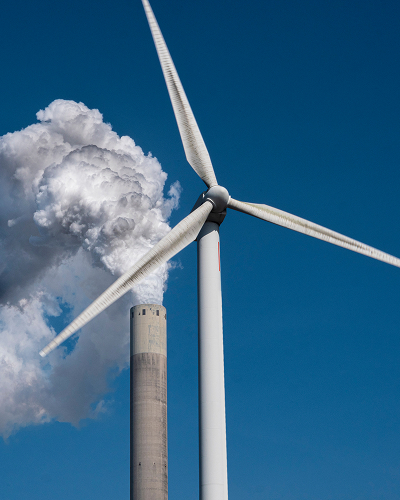
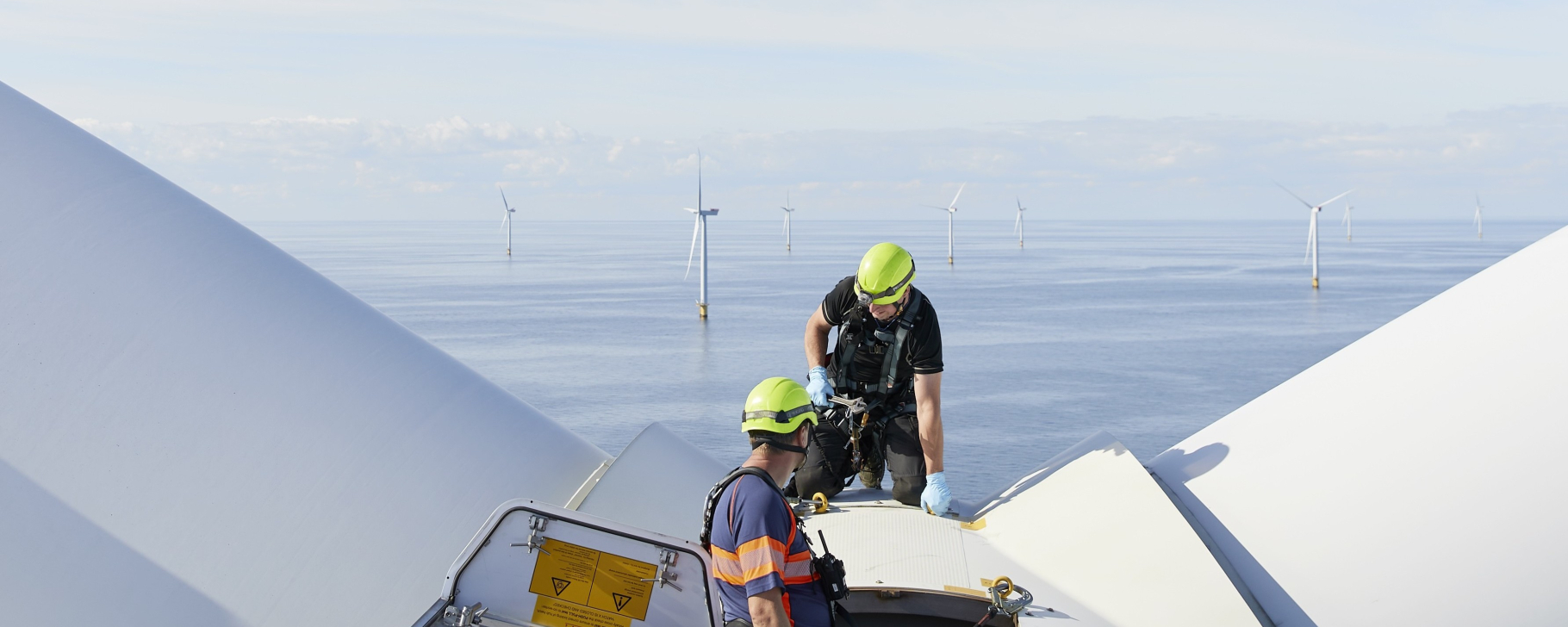
Today’s offshore wind farms supply millions of citizens and businesses with large-scale, reliable, homegrown renewable electricity. Offshore wind supports long‑term climate targets by providing utility‑scale renewable energy that can anchor a clean power mix alongside solar, onshore wind, hydro, and storage.
How offshore wind contributes to development
The wind industry has a track record supporting economic growth, enhancing energy security, and creating new jobs in coastal communities while protecting and restoring ecosystems. Ocean-based wind turbines make use of a domestic, inexhaustible resource—wind—instead of imported fuels, reducing developing countries’ exposure to fuel price volatility and geopolitical supply risks.
Clean offshore wind’s main challenge and solution
Offshore wind development is a complex undertaking with high capital requirements and infrastructure demands, while the industry faces additional pressures from economic volatility and supply chain challenges, such as infrastructure gaps and high cost of financing. ESMAP helps governments design and operationalize policy frameworks to accelerate offshore wind deployment.
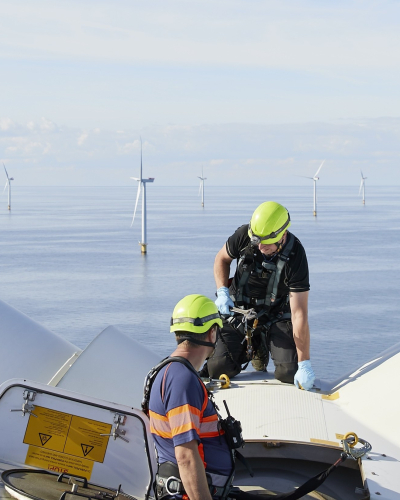
Image Credit: Ørsted
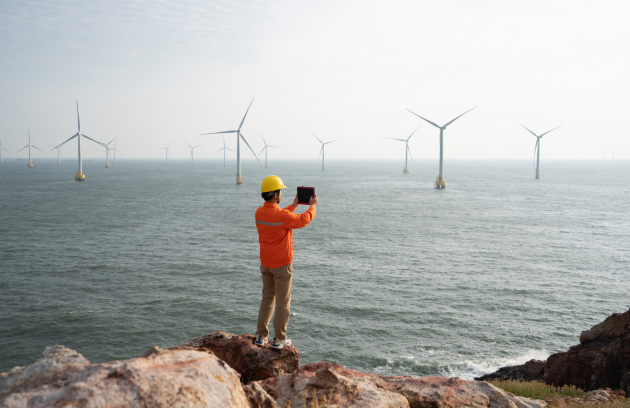
What is Offshore Wind?
Introduction to the Key Factors for Successful Development of Offshore Wind in Emerging Markets.
Our Latest



Practitioner Voices
This offshore wind regulation establishes the technical and economic guidelines that shall pave the way for the installation of new power generation plants in our country over the coming decades. I would like to thank the World Bank and ESMAP for all the support provided through their technical assistance to the Ministry of Mines and Energy team in the development of this resolution.