


What is the link between energy poverty and gender inequality?
Energy poverty affects nearly half the world, due to social norms and tradition, women and girls disproportionately bear the burden of energy poverty and are significantly underrepresented in decision-making regarding energy choices, from households to national strategies. At the same time, women are notably underrepresented in employment and leadership roles across the energy sector. Limited data suggests they represent just 22 per cent of the oil and gas workforce and 32 per cent of those employed in renewables.
Main challenges facing women in the energy sector and the solutions
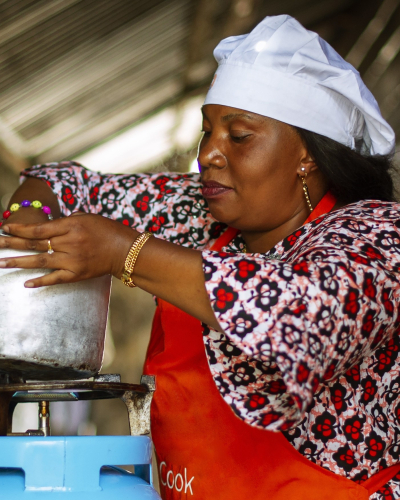
Women face significant barriers in the energy sector, including limited access to STEM education, gender bias in hiring and promotion, and restrictive cultural norms. Additionally, energy poverty exposes women to health risks from polluting cooking and lighting fuels, physical strain from firewood collection, and inadequate access to modern appliances and healthcare services due to unreliable electricity. These challenges hinder women’s professional inclusion and overall well-being.
How addressing gender in energy contributes to development
Increasing women’s participation in the energy sector promotes diverse perspectives and decision-making, drives innovation, fosters sustainable development, and better solutions for global energy challenges. Improved access to clean energy and modern appliances enhances women’s health, empowers them through education and information, and frees time for economic activities. Electrification of homes and health facilities lowers mortality rates and raises living standards, supporting gender equality and sustainable growth.
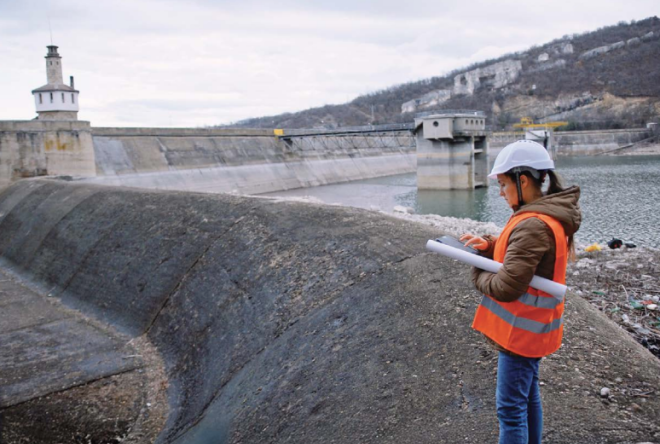
Energy projects can unintentionally increase the danger of violence against women and girls if gender-specific risks are ignored. This resource brief offers guidance in designing energy projects to help prevent violence and empower women.
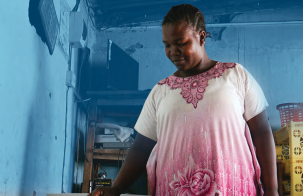
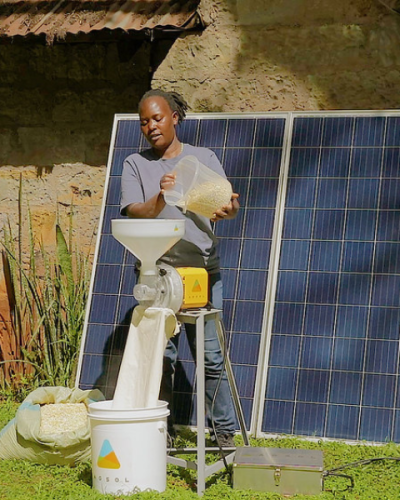
Hear how mini grid projects in Sub-Saharan Africa empower women farmers and entrepreneurs, giving them more time for their families and boosting rural communities with reliable electricity.
Josephine Obingo,
Executive Director, Network for Women and Youth Empowerment for Integrated Development in Renewable Energy
Women's participation in traditionally male dominated sectors like the energy sector remains problematic. You are dealing with the deep-rooted causes of gender inequality. Pathways to engage in the predominantly male dominated subjects like STEM are still lacking for girls. Girls looking to go into sectors like the energy sector face very important issues like hiring discrimination, unequal pay, and, of course, dealing with the pervasive sexual harassment in your workplace.

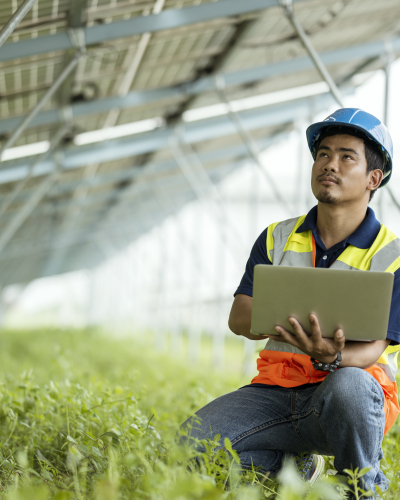
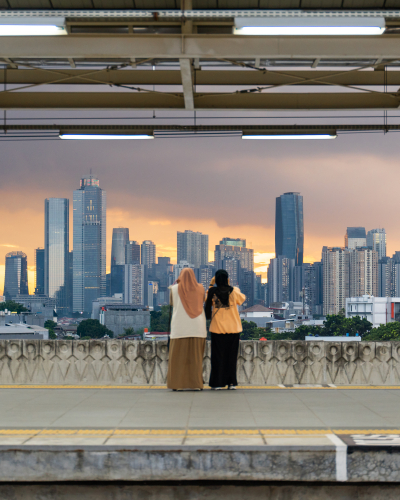
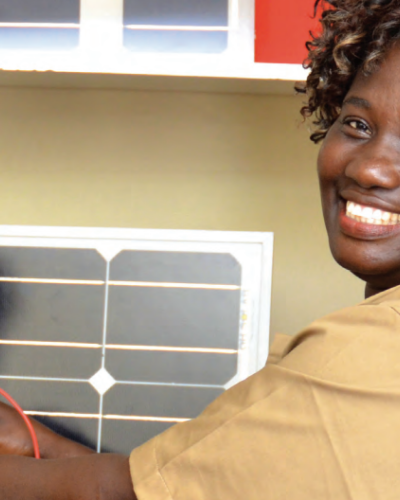
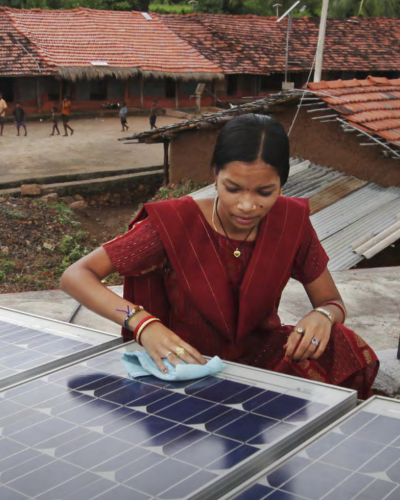
Meet Shurpal, Hamna, and Audilia—future engineers overcoming storms and barriers, empowered by ESMAP and Canada-World Bank Clean Energy and Forests Climate Facility.