




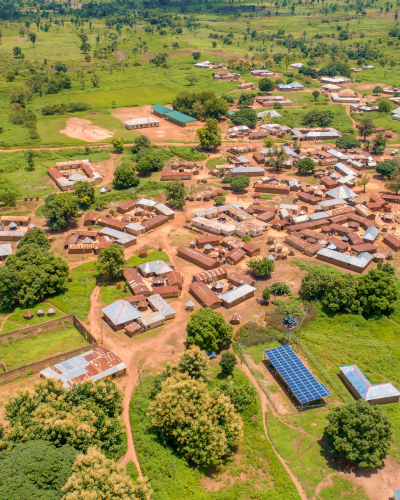









The Need: Rural communities need pro-poor and pro-rural technologies such as off-grid electricity and appliances for space cooling and refrigeration that can operate reliably in remote locations.
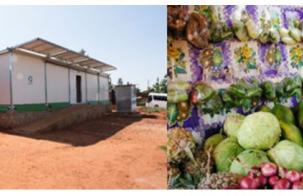
Unmet Rural Needs: While space cooling, refrigeration, and cold chains can significantly improve living conditions and create economic opportunities, access remains limited in many rural areas. Off-grid refrigerators and freezers can reduce food loss and support the processing and transportation of products, while cooling solutions in schools and health centers can improve the quality of essential services.
Integrated Solutions Required: Expanding access to cooling in off-grid rural areas requires a combination of supportive policies, technical innovation, and awareness-building efforts. This includes promoting passive cooling measures, solar-powered systems, and other sustainable technologies tailored to remote settings.
Financing Mechanisms: Access to financing is critical to scaling clean cooling solutions. Pay-as-you-go models, risk-sharing facilities, results-based financing, and working capital support for suppliers can help expand the availability and affordability of cooling technologies in rural communities.
The Way Forward: Delivering clean cooling to remote and underserved areas requires coordinated action across multiple fronts. Challenges related to energy access, energy storage, financing, and technical capacity must be addressed through a combination of policy, technology, awareness, and financial interventions.
- Policy: Regulations and standards that encourage the adoption of off-grid cooling technologies can help expand access and improve outcomes for rural communities.
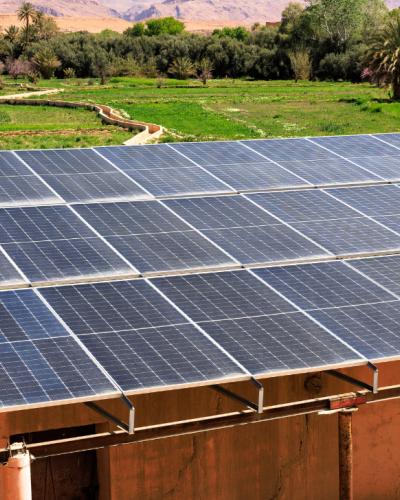
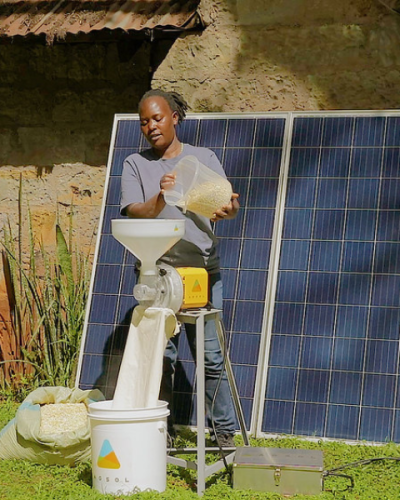
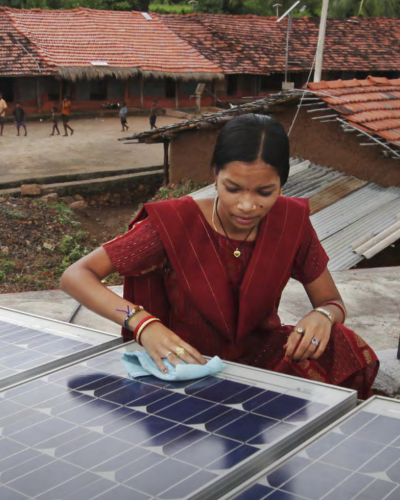
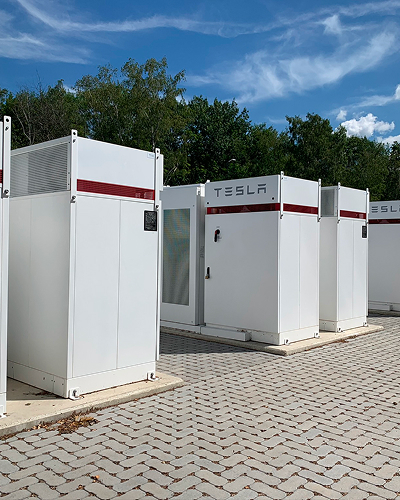
- Technology: Passive cooling measures such as shading, natural ventilation, blinds, wind-induced cooling, and cool roofs can improve comfort without electricity. Simple technologies, including vaccine cold-storage solutions, can support healthcare delivery. Active cooling solutions powered by off-grid renewable energy, particularly solar systems, can provide refrigeration, freezing, and space cooling services that benefit agriculture, education, healthcare, and local businesses.
- Awareness: Raising awareness among policymakers, communities, civil society organizations, and the media is essential to increase understanding of the benefits of sustainable off-grid cooling and promote the adoption of appropriate solutions.
- Finance: Expanding financial instruments such as pay-as-you-go services, risk-sharing facilities, results-based financing, and supplier working capital can help mobilize investment and improve access to clean cooling technologies.