Against the backdrop of an energy crisis, ESMAP’s engagement at the Spring Meetings focused on solutions to strengthen energy security, improve affordability, and highlight energy’s essential role in creating jobs.
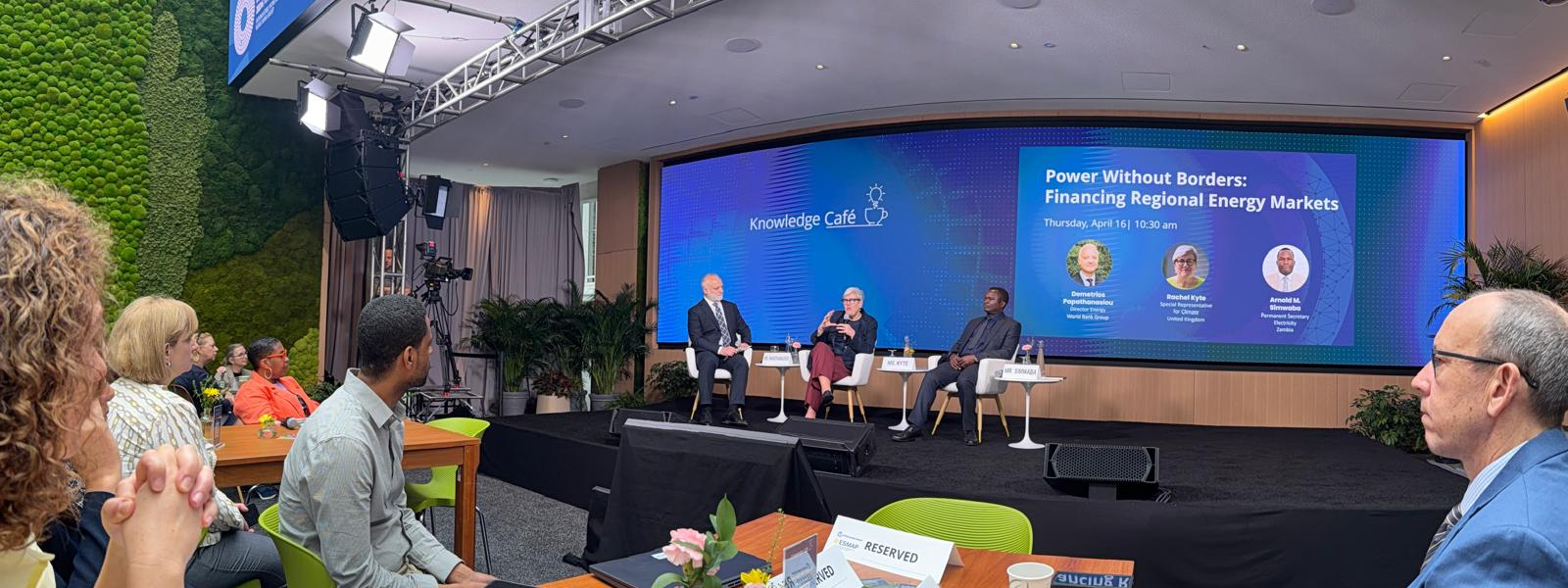
ESMAP Knowledge Café | Power Without Borders: Financing Regional Energy Markets
Connecting national power grids into regional networks allows countries to trade electricity across borders, creating a cheaper and more scalable way to provide reliable power. At this ESMAP knowledge café, speakers Rachel Kyte, UK Special Representative for Climate; Arnold M. Simwaba, Permanent Secretary – Electricity, Ministry of Energy, Zambia; and Demetrios Papathanasiou, Director for Energy at the World Bank Group, discussed how regional power markets can strengthen cooperation between countries, increase energy security, and boost jobs and economic growth. They explored the policies, regulations, financing, and private-sector conditions needed to support regional energy systems.
>> Learn more | Watch the Event
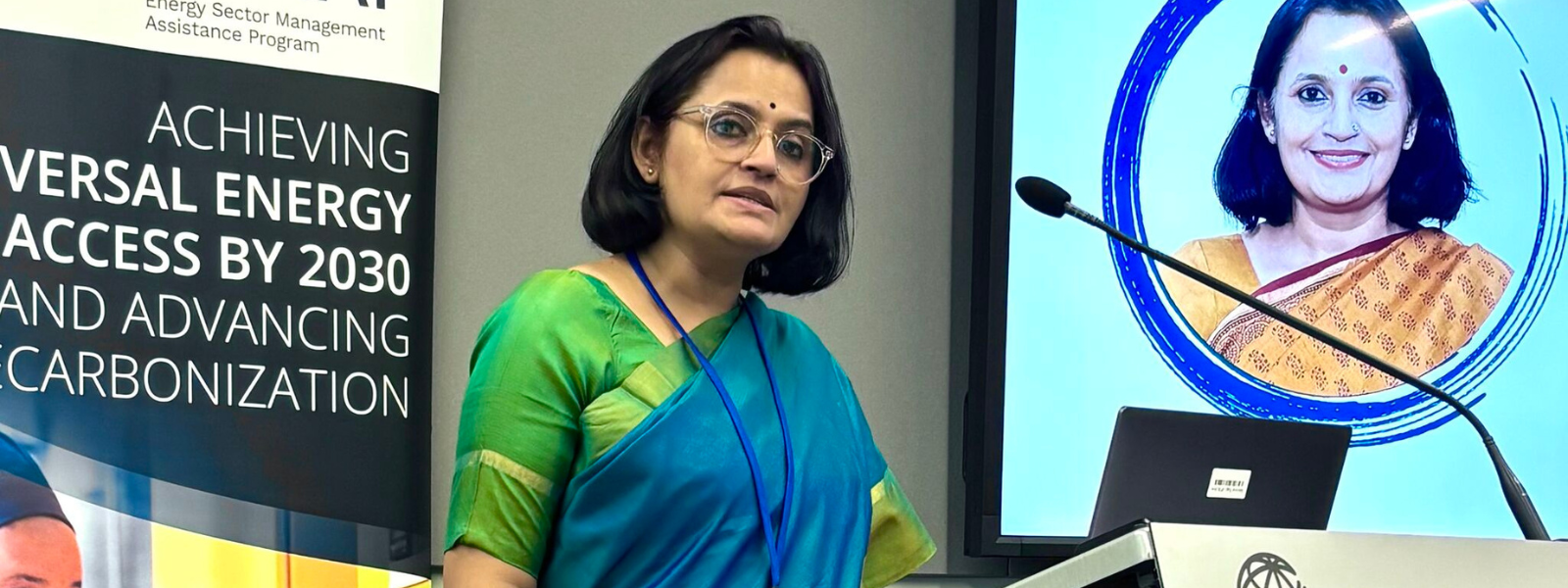
Smart, Connected, Customer-Centric: The Future of Energy with the India Energy Stack
India is building a digital backbone for its power sector — and the world is watching. The WBG Executive Director's Office for Bangladesh, Bhutan, India and Sri Lanka (EDS12), ESMAP, and the International Solar Alliance (ISA) brought together senior government officials, World Bank Group leadership, and Indian industry executives to explore India’s Energy Stack (IES) — an integrated digital framework designed to enable smarter energy management, accelerate renewable energy integration, and unlock innovative financing models. Anuradha Thakur, Secretary of the Department of Economic Affairs, Government of India, delivered the keynote address. Drawing on real-world use cases, the discussion examined how India’s digital approach can expand energy access, improve sector efficiency, and mobilize investment across developing and emerging economies.
>> Learn more
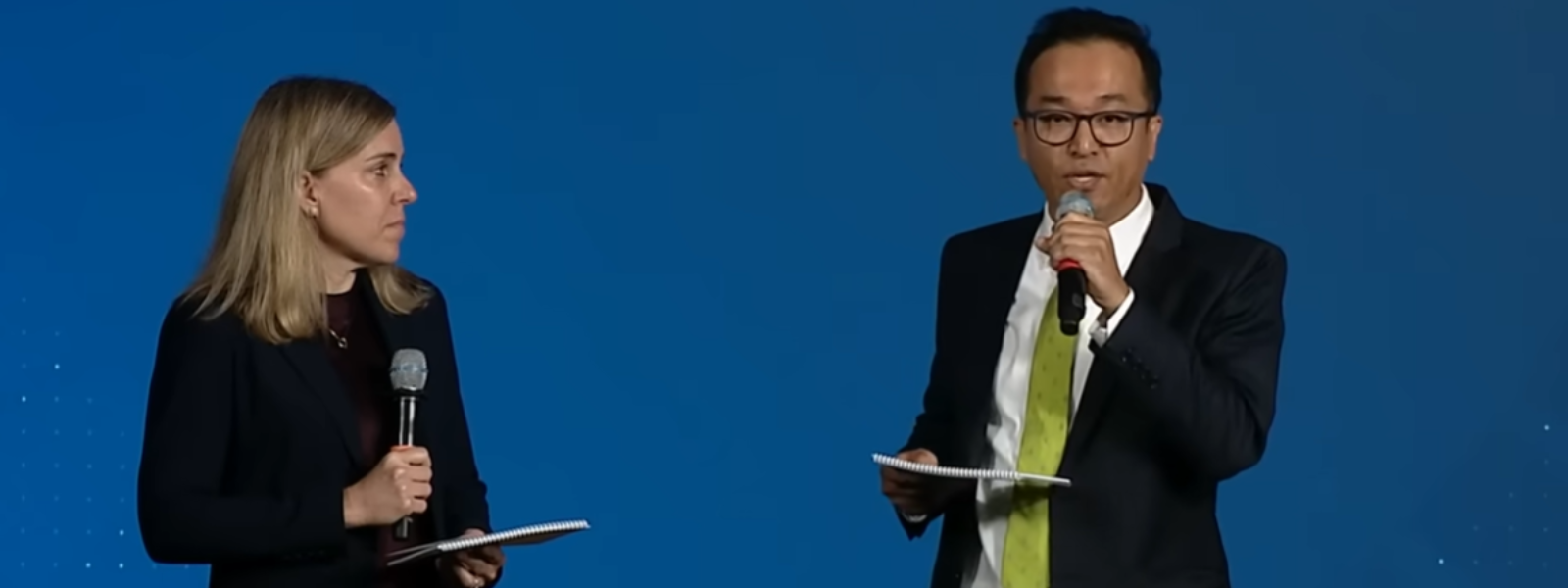
How Electricity Access Supports Jobs and Growth Worldwide
How can expanding electricity access translate into jobs, productivity, and economic growth at scale? That question took center stage in a recent World Bank Group livestream, delivered at the Spring Meetings in a TED-talk–style format featuring two speakers — including ESMAP’s own Ashish Shrestha.
The session explored how the World Bank Group partners with countries to modernize grids, diversify energy systems, and deploy scalable investment models that move beyond pilot projects to achieve national impact. Speakers highlighted approaches to mobilize private capital, reduce investment risk, and design flexible, country-led solutions that deliver lasting results.
A highlight was Mission 300 — a flagship initiative with the African Development Bank and partners — which aims to connect 300 million people in Africa to electricity by 2030.

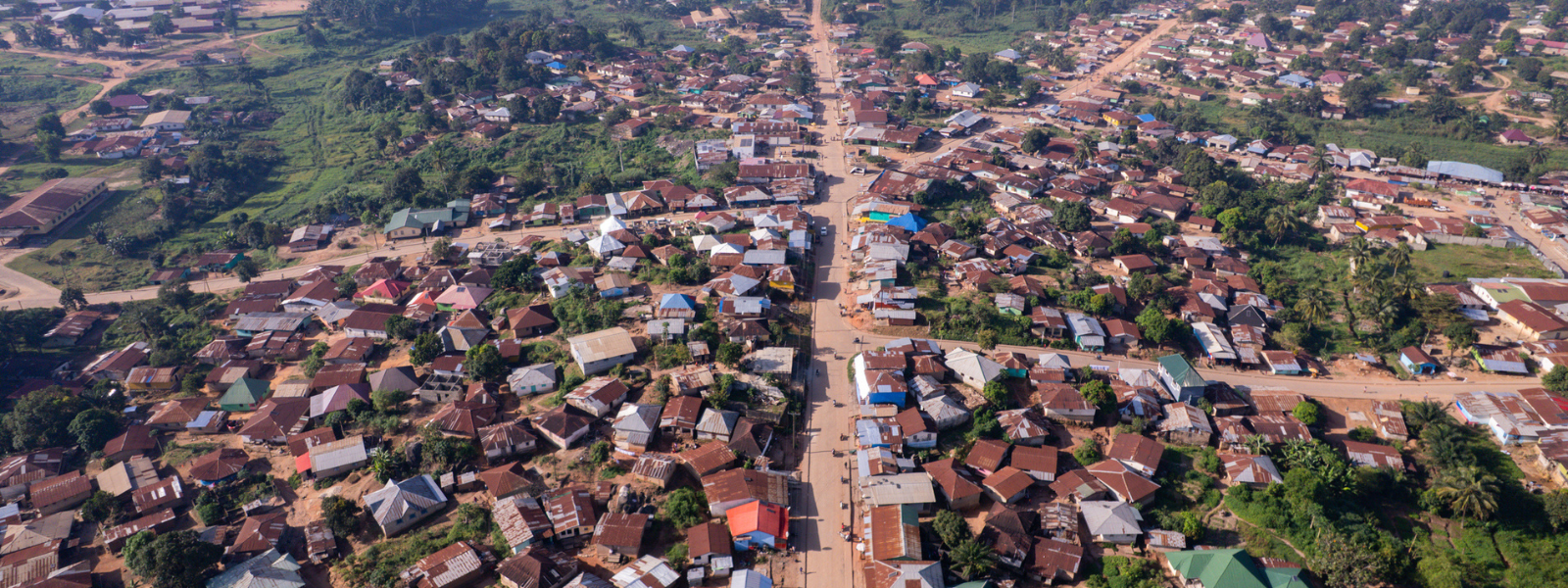
Additional Financing for the Regional Emergency Solar Power Intervention Project West Africa Emergency Energy Regional Program (RESPITE)
ESMAP funded the West Africa Implementation Support for Regional Emergency Solar Power Intervention, which supports emergency publicly owned solar and Battery Energy Storage System (BESS) and hydropower projects in Chad, Togo, Liberia, and Sierra Leone under a USD$311 million Regional Emergency Solar Power Intervention Project (RESPITE). For energy storage, ESMAP provided technical assistance for the preparation of feasibility studies of solar and storage plants, Hands-on Expanded Implementation Support (HEIS) to procurement and E&S management, and capacity building to project implementation entities. ESMAP’s significant role in this project was through Technical Assistance grants from its Sustainable Renewables Risk Mitigation Initiative (SRMI), Energy Storage Program, and Hydropower Development Facility.
>> Learn more
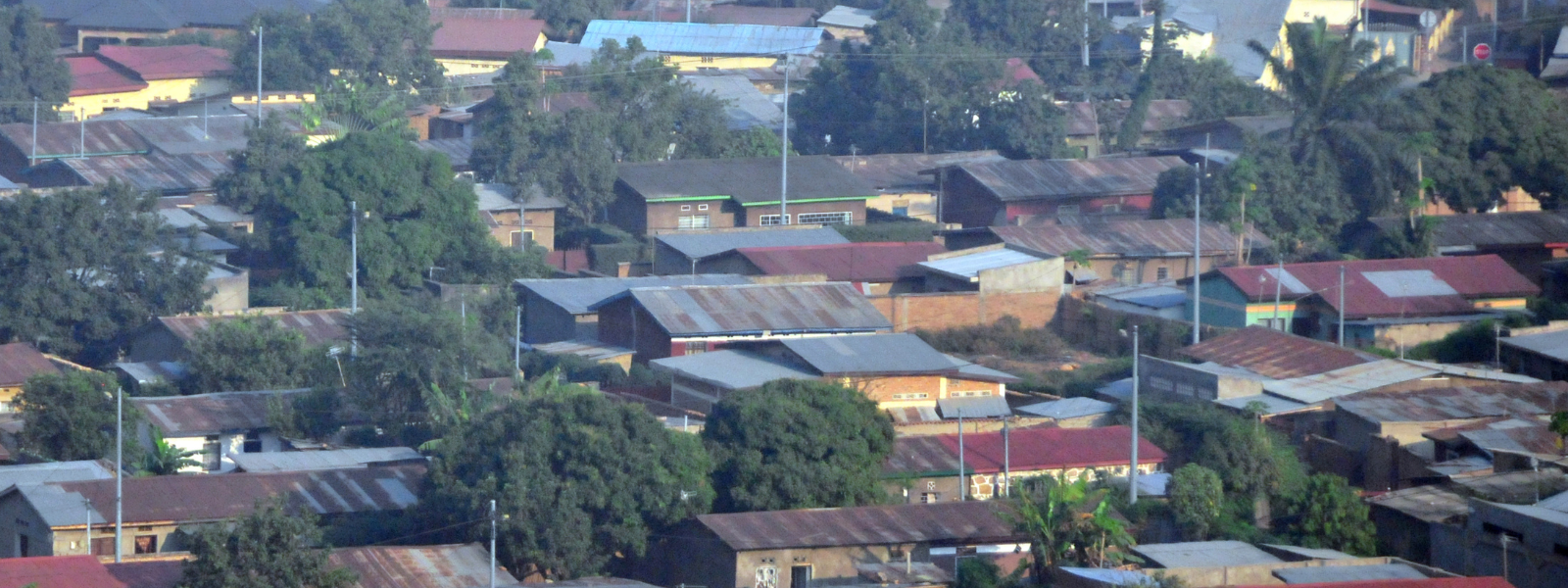
Burundi Solar Energy in Local Communities Project - SOLEIL-Nyakiriza
In Burundi, The World Bank SOLEIL–Nyakiriza project, supported by ESMAP, has received additional financing and a two-year extension to continue work on the long-term sustainability of solar-powered public facilities and expanding decentralized energy solutions.
The additional financing, supported by Energising Development (EnDev) / Deutsche Gesellschaft für Internationale Zusammenarbeit (GIZ) GmbH, will enable remote monitoring across up to 700 public facilities and help scale access with the objective of deploying around 10,000 off-grid solar home systems, in line with the Burundi Energy Compact and Mission 300 objectives.
>> Follow the Conversation on LinkedIn

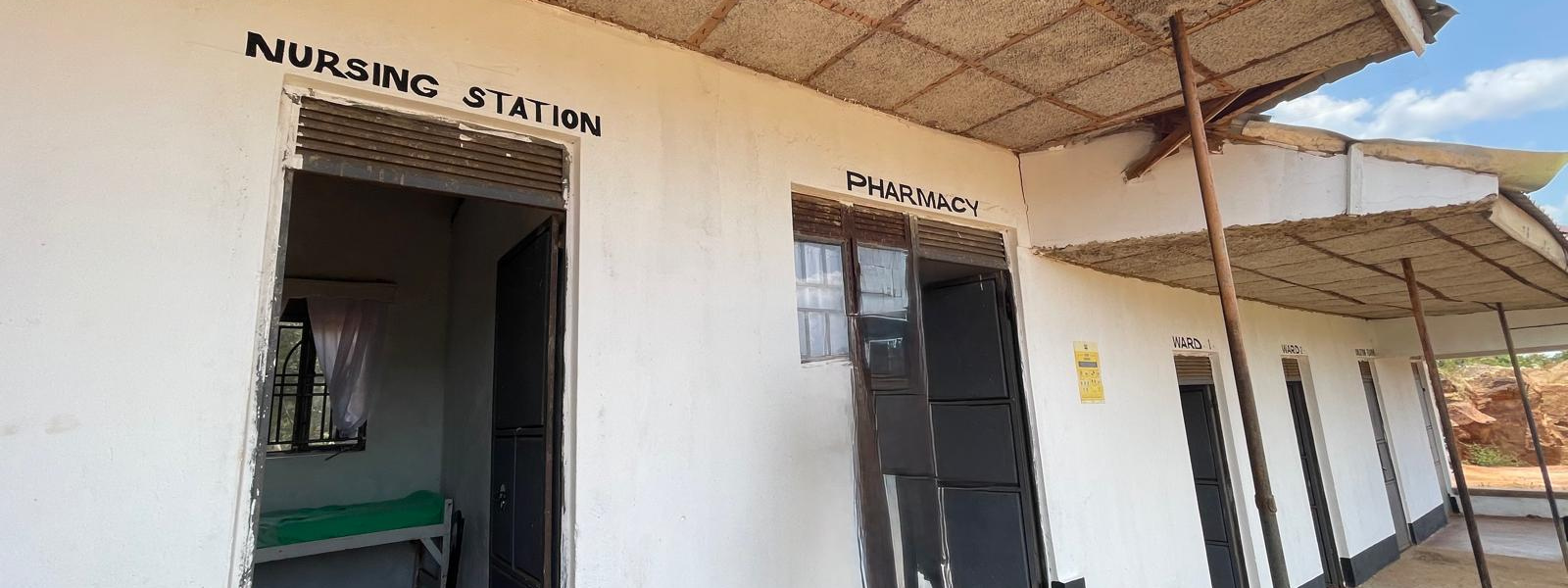
When the Lights Went Out
When Mariam Hassan went into labor at 3am at a Kenyan coastal clinic, the solar system failed — leaving nurses to deliver her baby by the light of a single cell phone. Her story is not an anomaly. Across sub-Saharan Africa, solar systems installed in schools and health centers routinely fail within years — not because the technology is flawed, but because maintenance is neglected. When power fails, cold chains break, oxygen concentrators stop, and patients stop coming at night. A new ESMAP report, Sustainable Energy for Schools and Health Centers: Public–Private Partnerships for People's Prosperity, calls for a fundamental shift: from procuring solar equipment to buying electricity as a service, through long-term, performance-based contracts that keep private providers accountable. For the millions who depend on these facilities, reliable solar power is not a luxury — but only if the lights actually stay on.
>> Read the Feature Story | Follow the Conversation on LinkedIn

Electrolyzers for Hydrogen
Valerie Levkov, the World Bank Group’s Vice President for Infrastructure, launched ESMAP’s “Electrolyzers for Hydrogen” report last month. Speaking at the event, she said: This report is a prime example of the Knowledge Bank; it embodies our renewed ambition to turn knowledge into development impact. It draws on operational experience, private-sector data, and global technical expertise to provide actionable insights for policymakers and investors.
>> Read the Q&A | Watch the Report Launch
Talking Development | Powering Mission 300: Why Nigeria Matters
What does it take to power opportunity at scale? In Nigeria—home to more than 220 million people—reliable and affordable electricity is critical to economic transformation, yet access remains a major challenge. In this episode of Talking Development, World Bank Managing Director Anna Bjerde speaks with Folake Soetan, CEO of Ikeja Electric, about how expanding electricity access in Nigeria can unlock jobs and growth, and why expanding access, unlocking private investment, and why Nigeria is central to Mission 300, our effort to bring electricity to 300 million people across Africa by 2030.
ESMAP is a core technical and strategic partner in Mission 300, driving power sector reform, investment mobilization, and implementation at scale to expand electricity access and unlock jobs, private investment, and productivity growth.
World Bank Group’s Latin American and the Caribbean and ESMAP Teams Recognized by the Ministry of Education of the City of Buenos Aires, Argentina
With ESMAP's support, the World Bank's LAC team and Wenergy developed a mentoring program in Argentina advancing women's participation in the energy sector — and the impact is being recognized. The Ministry of Education of the City of Buenos Aires has officially recognized the World Bank and Wenergy as institutions bridging the gap between secondary school students and the world of work. As part of the program, mentees designed social impact activities, including energy-related talks for public school students held at the National Technological University (UTN) — introducing young people to career opportunities in the energy sector while showcasing women professionals as role models to inspire the next generation, especially girls, to pursue technical careers. This recognition is a powerful testament to what targeted, gender-focused support can achieve.
>> Learn more (Spanish) | Watch the Video (Spanish)
Grenada Makes History in the Caribbean
With support from ESMAP under the Caribbean Efficient and Green-Energy Buildings Project (CEGEB), the Government of Grenada is advancing the installation of a 10.6 MW / 21.2 MWh Battery Energy Storage System (BESS) at Maurice Bishop International Airport — a first-of-its-kind deployment on an island grid in the Caribbean region. The BESS will be integrated with a 15.1 MW solar PV facility at the same site and associated high voltage 33kV/11kV electricity network, with commissioning targeted for end of November 2027. Together, these systems will enhance energy resilience, offset approximately 11% of diesel generation, and provide the grid support needed to fully integrate utility-scale solar power.
ESMAP continually fosters new partnerships to drive innovation and accelerate renewable energy solutions. The Energy Storage Partnership (ESP) was launched by the World Bank in 2019 to drive energy storage innovation in developing countries. ESP has grown to 60 partners.
>> Learn more
The Government of Burundi Inaugurates a new Master’s program in Renewable Energy at the University of Burundi
The Government of Burundi inaugurated a new Master’s program in Renewable Energy at the University of Burundi, alongside a clean cooking testing and certification laboratory. These initiatives were funded through the SOLEIL Nyakiriza project and supported by ESMAP. Together, they aim to drive job creation, enhance skills development, and encourage private sector engagement to advance clean energy over the long term
>> Learn more
Hydrogen for Development Partnership (H4D) Newsletter
This is the ninth edition of the H4D Review, the quarterly newsletter dedicated to advancing clean and low-carbon hydrogen. This edition aims to keep Hydrogen for Development (H4D) partners, stakeholders, and observers fully informed about the latest developments within the initiative. It provides comprehensive updates on ongoing activities, key findings from recent analytical work, and details on forthcoming events and opportunities for engagement in the global clean and low-carbon hydrogen sector.

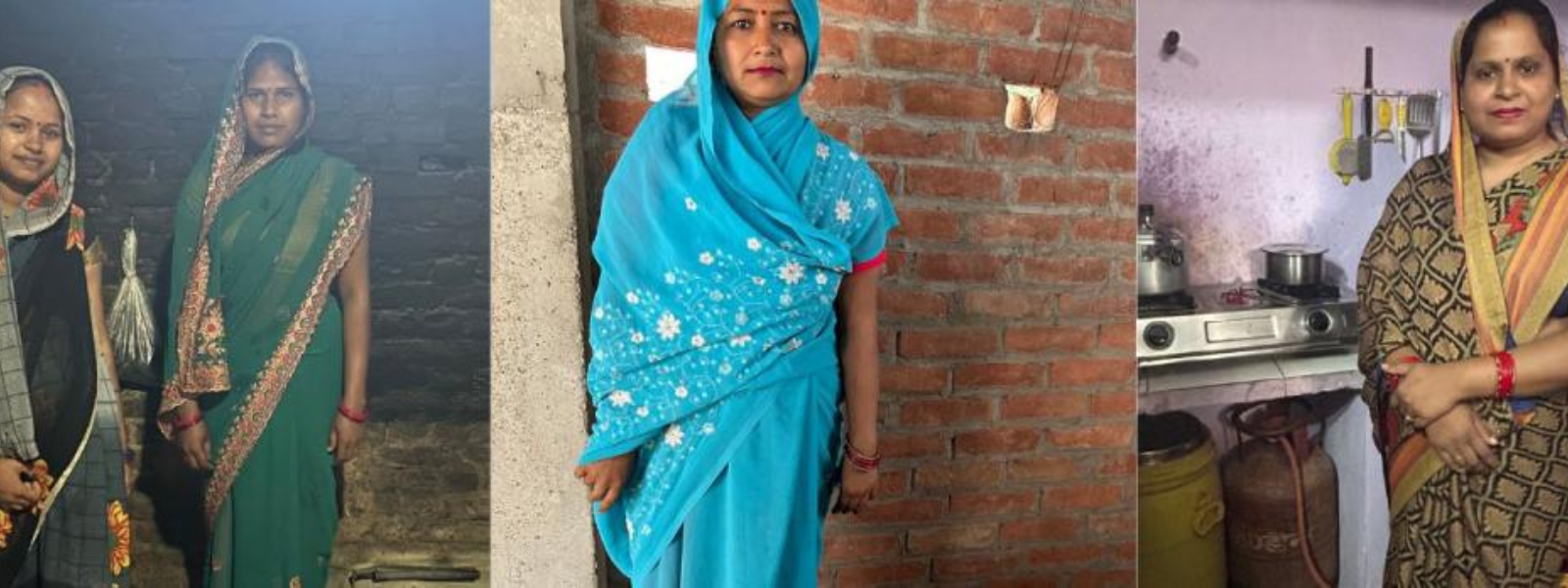
The Recent LPG Price Surge Exposes Why Resilient Strategies for Clean Cooking Are a Must
The sharp rise in global LPG prices since late February 2026 — driven by Middle East conflict and supply disruptions, including partial closure of the Strait of Hormuz — has exposed critical vulnerabilities in clean cooking systems across South Asia, Southeast Asia, and Sub-Saharan Africa. ESMAP works to solve energy challenges in developing markets and advance universal access to clean, affordable energy by 2030 — goals now directly threatened as price spikes push lower-income households back to harmful fuels like charcoal and firewood. While short-term tools like targeted subsidies and price stabilization funds can help cushion the blow, they are costly and difficult to sustain during prolonged price peaks. Building truly resilient clean cooking systems demands a technology-neutral, multifuel approach — embracing electric cooking and biogas alongside LPG — backed by secure supply chains, coordinated policy across energy and social protection sectors, and lasting consumer trust.
>> Read the Blog | Follow the Conversation on LinkedIn
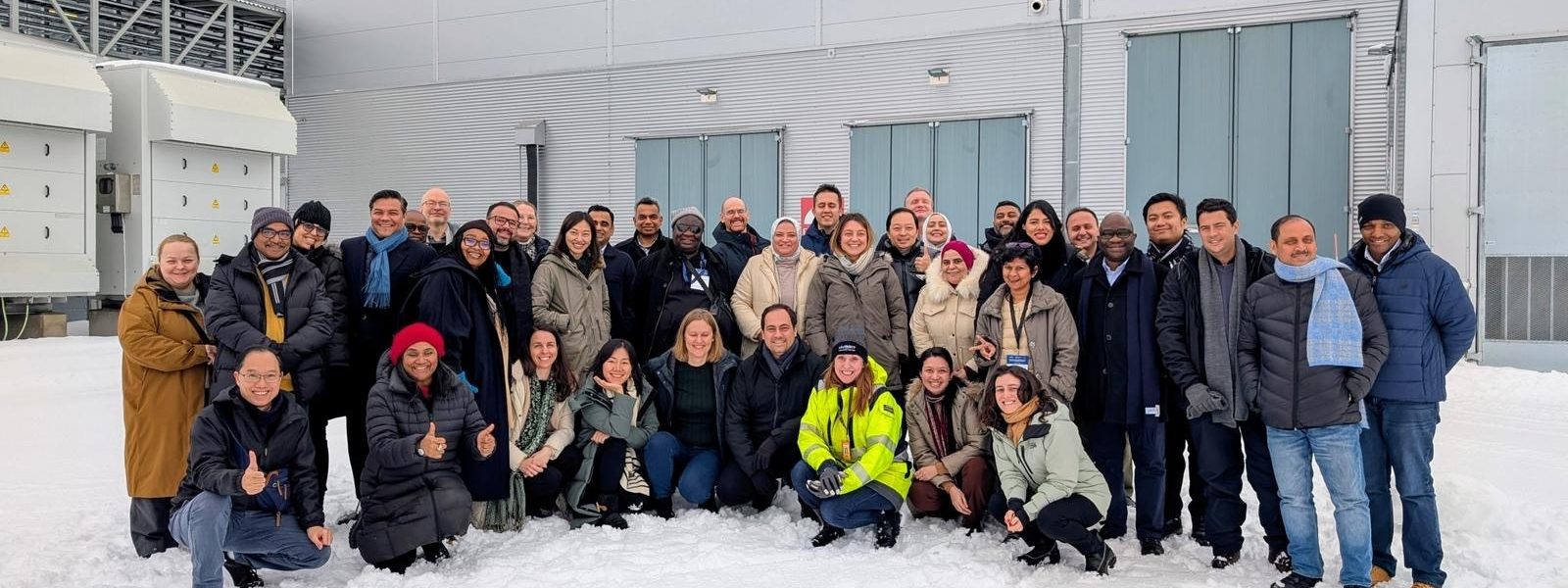
Accelerating Global Industrial Decarbonization with a Scandinavian Study Tour
Industrial decarbonization is happening now, thanks to clear policies, targeted finance, and strong government-industry collaboration. During a recent Scandinavian study tour, policymakers and industry leaders from ten developing countries saw firsthand how deploying low-carbon steel, cement, hydrogen, and carbon capture creates opportunities for climate action, energy security, and local jobs. The key: clarity in targets, standards, and investments, plus community engagement. The study tour was co-organized by the World Bank Group’s ESMAP, LeadIT, the Government of Sweden, and SIDA to exchange practical lessons on how smart policy, targeted finance, and innovation can make low-carbon industry competitive today. Our goal was simple: we wanted participants to leave with the partnerships, tools, and confidence to accelerate decarbonization in their home countries.
>> Read the Blog | Follow the Conversation on LinkedIn

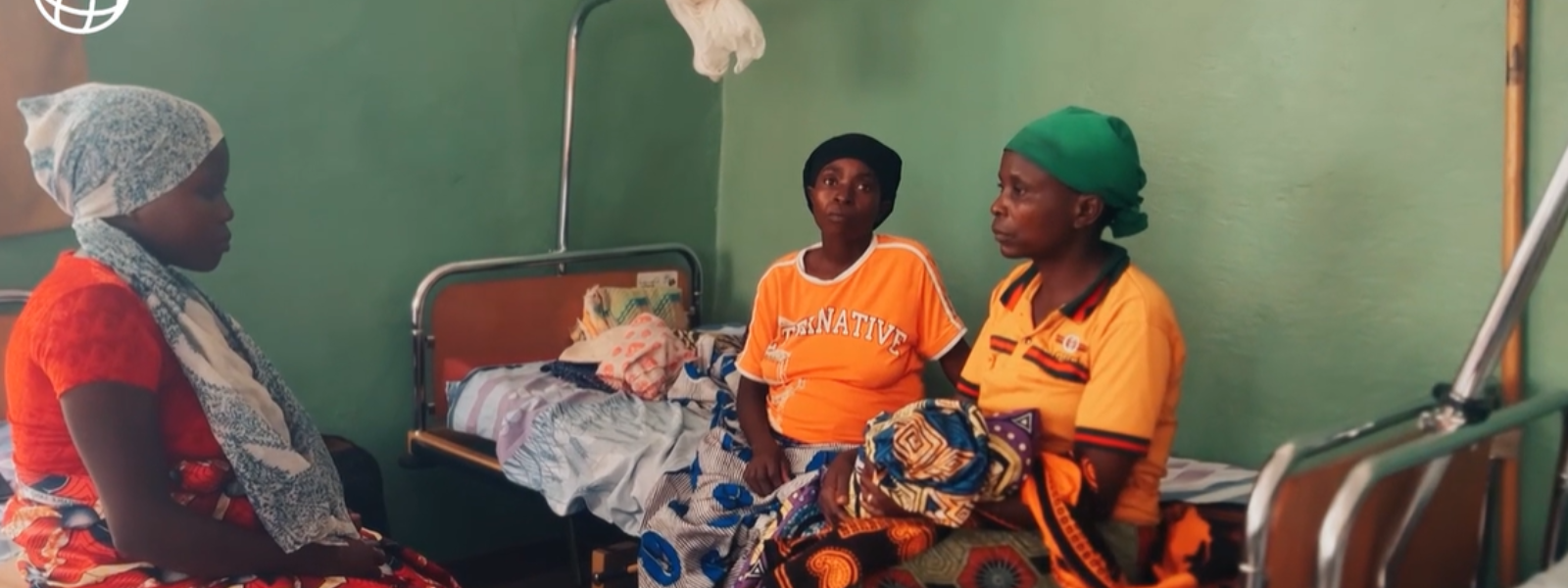
The Solar Energy Project in Local Communities - Soleil-Nyakiriza
The Solar Energy Project in Local Communities – known as Soleil-Nyakiriza – is a Government of Burundi initiative launched in 2020 with World Bank Group/ESMAP support, aimed at expanding reliable energy access for health centers, schools, and vulnerable households. With additional financing and a two-year extension, the project will enable remote monitoring across up to 700 public facilities and deploy around 10,000 off-grid solar home systems, in line with the Burundi Energy Compact and Mission 300 objectives.
>> Watch the video: English | French | Kirundi
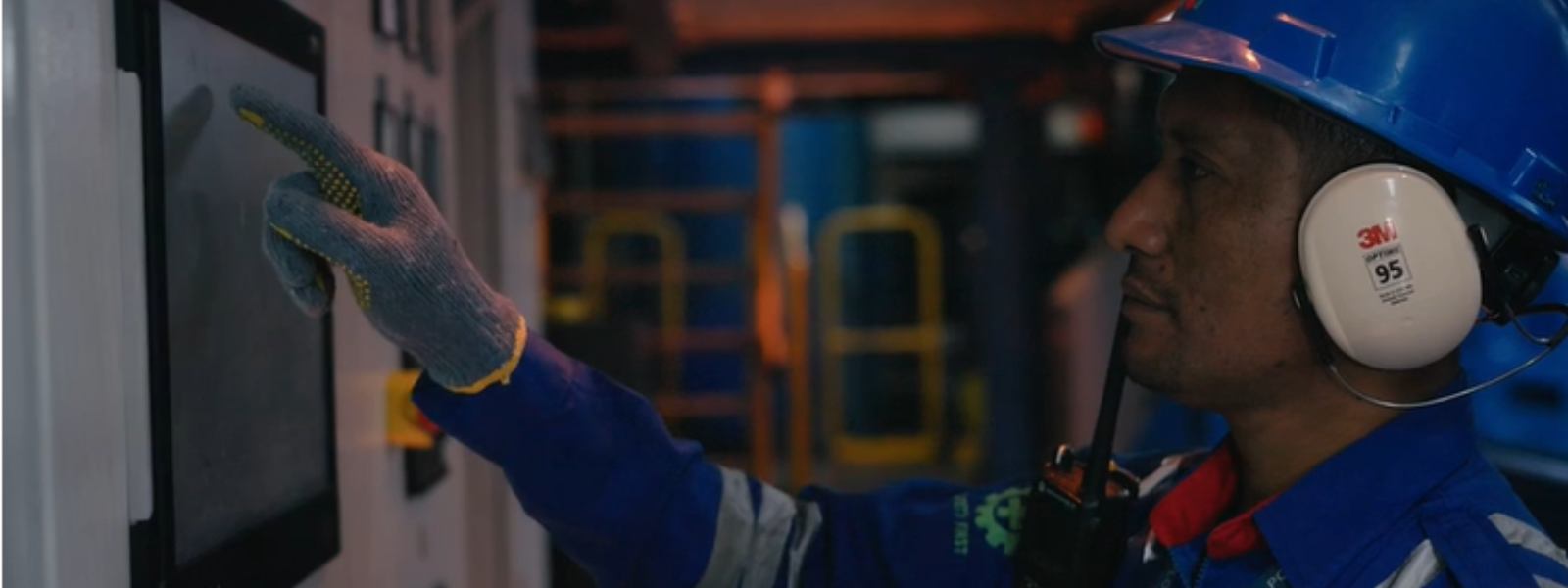
Powering Futures, Transforming Jobs in Eastern Indonesia
While Indonesia nears universal electricity access, remote villages remain off-grid. ESMAP's technical assistance has helped strengthen electrification planning, expand access in underserved areas, and keep investments affordable and aligned with Indonesia's climate goals. The ISLE-1 and ISLE-2 programs are funded through the Canada Clean Energy and Forest Climate Facility (CCEFCF), the Clean Technology Fund (CTF), the Green Climate Fund (GCF), and the UK's FCDO through ESMAP — together supporting inclusive, sustainable electrification and greater renewable energy integration.

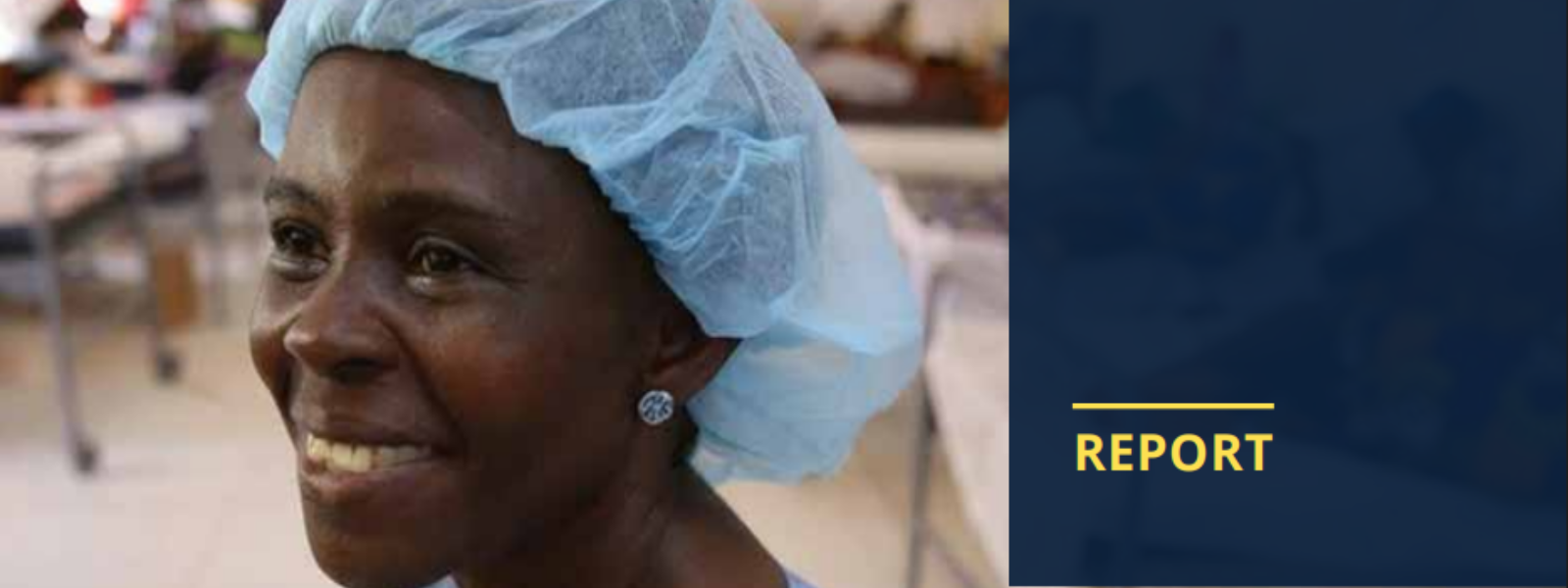
REPORT | Sustainable Energy for Schools and Health Centers | Private-Public Partnerships for People's Prosperity
Across low-income countries, millions of schools and health centers remain unelectrified — not for lack of technology, but because conventional electrification approaches too often fall into a costly "install-and-forget" cycle driven by poor maintenance and weak accountability. A new ESMAP report directly confronts this challenge by introducing the Public-Private Partnerships for People's Prosperity (5P) framework, which shifts the model from one-time asset purchases to long-term, performance-based service contracts that combine public funding with donor and private investment. The result is solar systems that are not only installed, but monitored, maintained, and held to consistent performance standards — enabling the reliable electricity that powers vaccine cold chains, digital learning, clean water access, and connectivity. ESMAP supported this work by developing the 5P framework itself, producing the analytical and diagnostic evidence behind it, and providing the technical guidance needed to help governments and partners move from fragile pilots to sustainable, scalable energy solutions for essential public services.
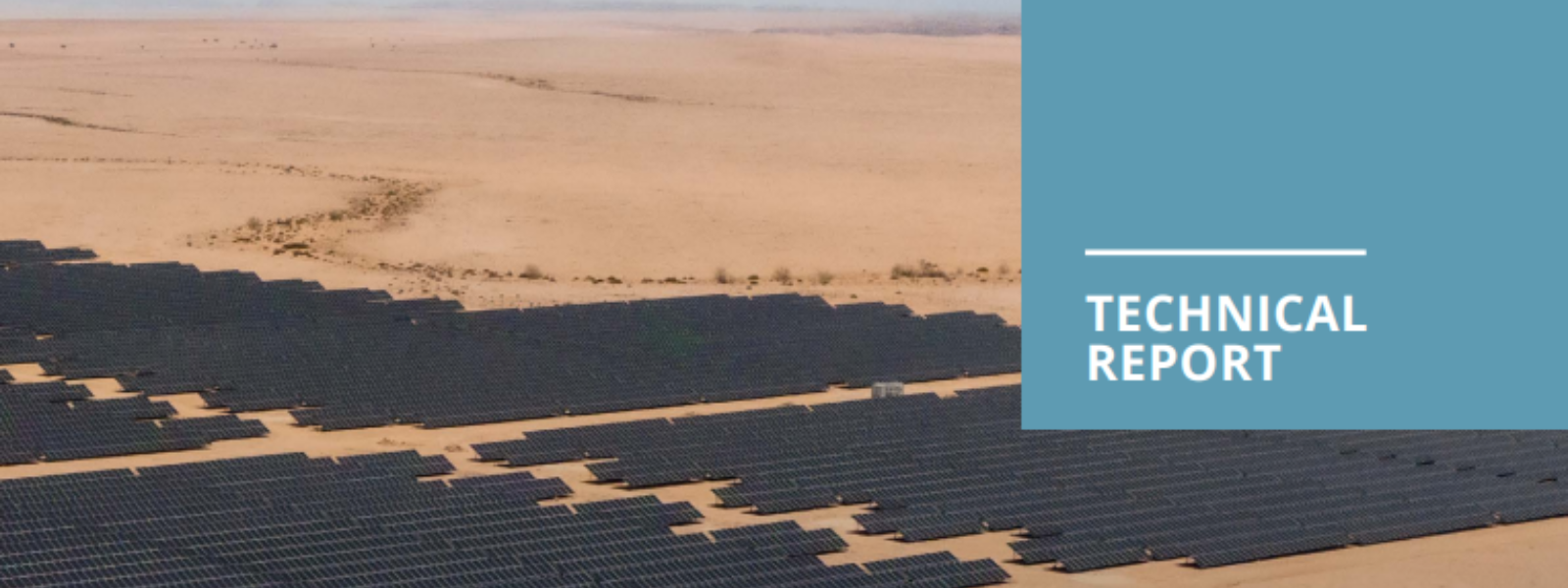
REPORT: Electrolyzers for Hydrogen Production | Technical and Economic Characteristics
As emerging markets look to harness their abundant renewable resources for industrial transformation and energy security, green hydrogen is emerging as a strategic opportunity — and electrolyzers are the technology at its core. ESMAP's report Electrolyzers for Hydrogen Production: Technical and Economic Characteristics delivers a comprehensive global assessment of electrolyzer technologies, covering the rapidly shifting landscape from dominant alkaline systems to advancing PEM and other emerging solutions. The report surfaces critical insights for decision-makers: soft costs such as engineering, procurement, construction, and financing frequently exceed equipment costs, and electricity prices remain the single greatest determinant of hydrogen competitiveness. ESMAP supported this work under its 10 GW Lighthouse Initiative, providing the technical and economic analysis needed to equip governments, investors, and developers in emerging markets and developing economies with a reliable reference for making informed choices that can accelerate large-scale green hydrogen deployment across hard-to-abate sectors including chemicals, steel, shipping, and heavy transport.
>> Download the Report | Executive Summary: English - Spanish
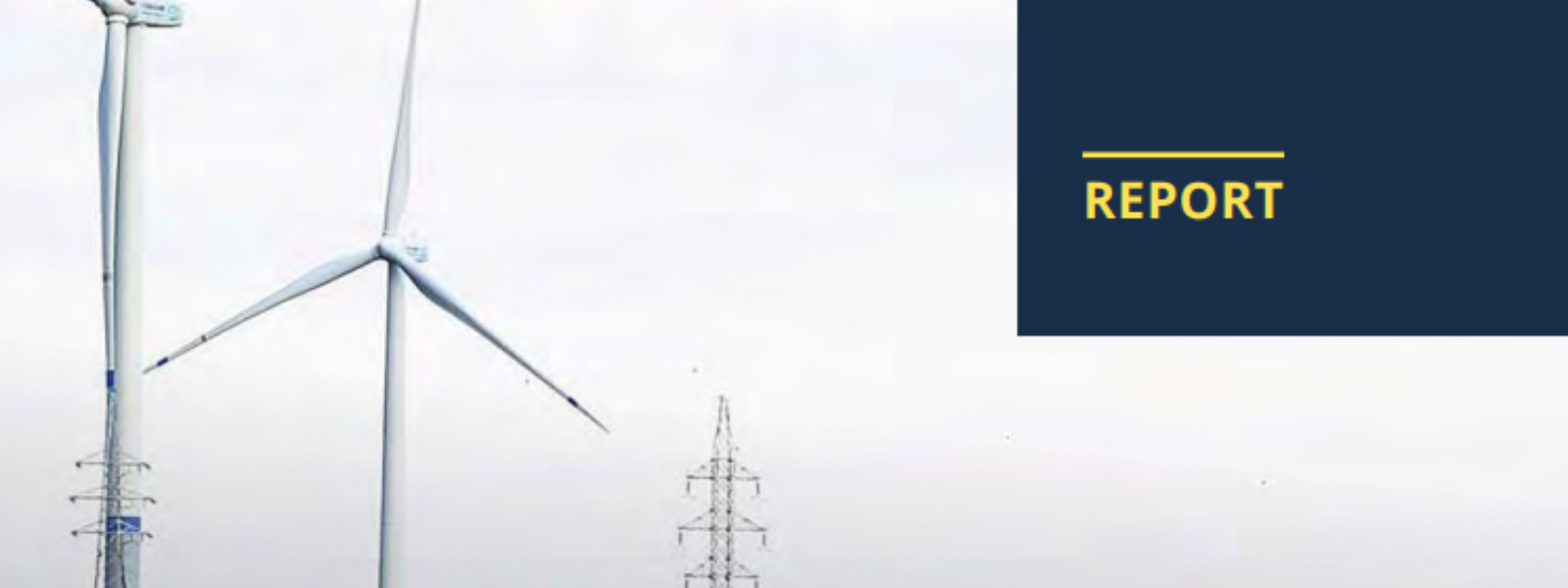
REPORT | Guidelines on Transmission Pricing and Cost Allocation for Regional Power Trade
As regional electricity trade expands, determining who pays for cross-border transmission infrastructure — and how much — remains one of the most complex and politically sensitive challenges in energy governance. ESMAP's newly published Guidelines on Transmission Pricing and Cost Allocation for Regional Power Trade directly address this gap by introducing a "single-system paradigm" that replaces the distortive territorial principle with a principled, transparent framework for allocating transmission costs and setting tariffs across participating countries. Built on key principles — including proportionality to benefits received, stability, predictability, and minimal market distortion — the guidelines provide a structured, step-by-step process for identifying cross-border network assets, defining revenue requirements, and establishing fair national charges. ESMAP supported this work as part of its Beyond Borders framework and the Power Markets, Grid Connectivity, and Regional Trade (MARCOT) initiative, providing the technical leadership, analytical rigor, and policy guidance needed to help regions build the institutional and regulatory foundations — including dedicated regional frameworks for enforcement and dispute resolution — that make sustainable cross-border power trade possible.
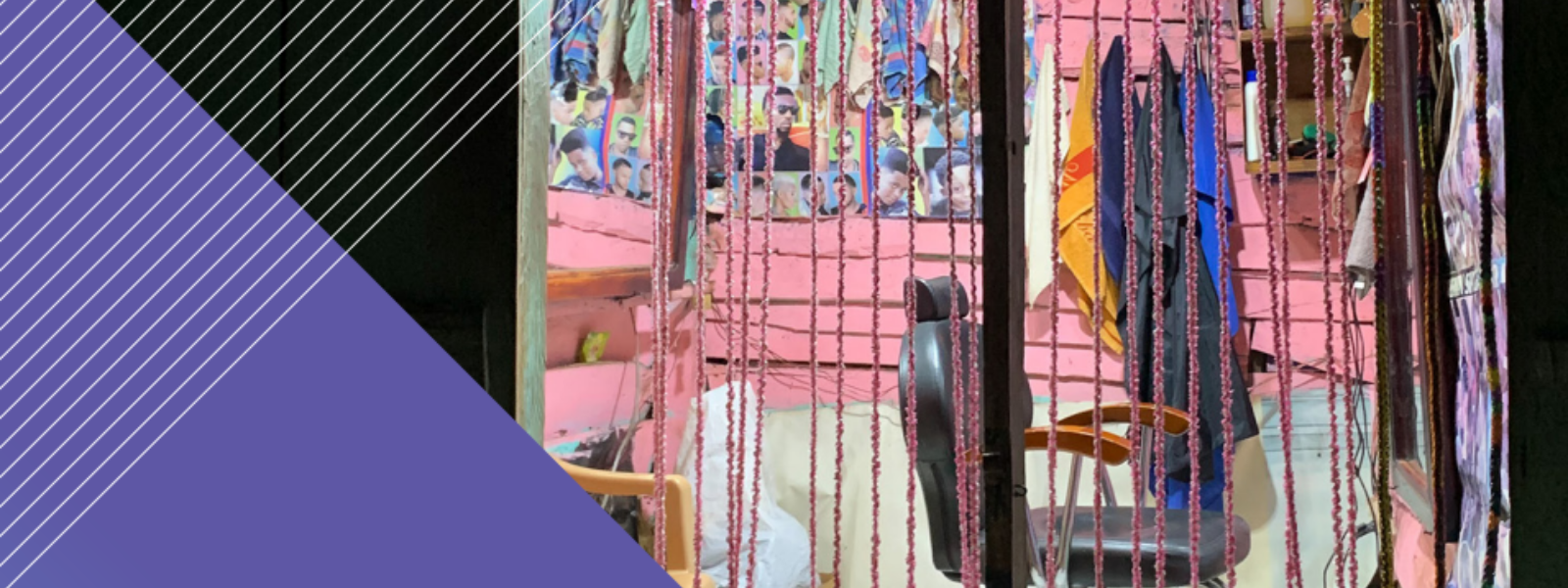
REPORT | The Multi-Tier Framework for Energy Access | Insights and Impact from a Decade of Surveys
ESMAP's Multi-Tier Framework (MTF) for Energy Access has fundamentally changed how the world measures energy poverty — and a new flagship report marks a decade of impact. From inception, ESMAP was the primary driver behind the MTF, providing the conceptual framework, standardized survey instruments, field protocols, technical assistance, and financial support that made it possible. Rather than relying on the traditional binary question of whether someone "has" electricity or not, the MTF evaluates energy access across seven dimensions — including reliability, affordability, and safety — rating households on a scale from Tier 0 to Tier 5. Over ten years, ESMAP spearheaded 29 surveys across 27 countries, including fragile and conflict-affected states, in collaboration with the Living Standards Measurement Study (LSMS), producing the first internationally comparable, nationally representative datasets on electricity and clean cooking access. By leading the analytical work that translated a decade of raw data into actionable policy insights, ESMAP established the MTF as a global standard — one that is now helping governments set country-specific targets, design more effective investments, and track progress toward SDG 7 in support of poverty reduction and sustainable development.
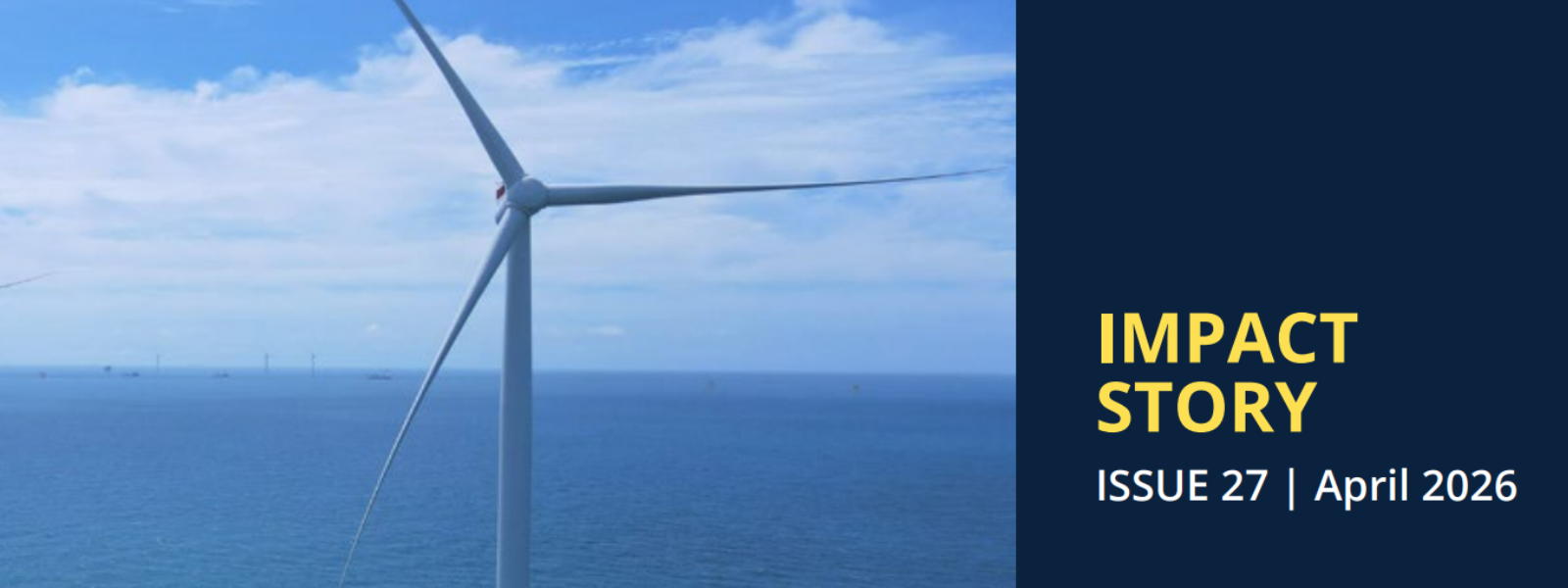
IMPACT | Offshore Wind in the Philippines: A Path to Energy Security and Green Jobs
The case study highlights how the World Bank Group’s ESMAP program has helped catalyze the offshore wind sector in the Philippines since 2019. The Philippines’ Department of Energy (DOE) is determined to accelerate offshore wind development, with first turbines anticipated in its waters by 2028 following a competitive auction process. Offshore wind will contribute to reaching the country’s target of 35 percent of renewable energy in its electricity generation mix by 2030. The country’s offshore wind target has increased from 0 to as much as 50 GW by 2050.
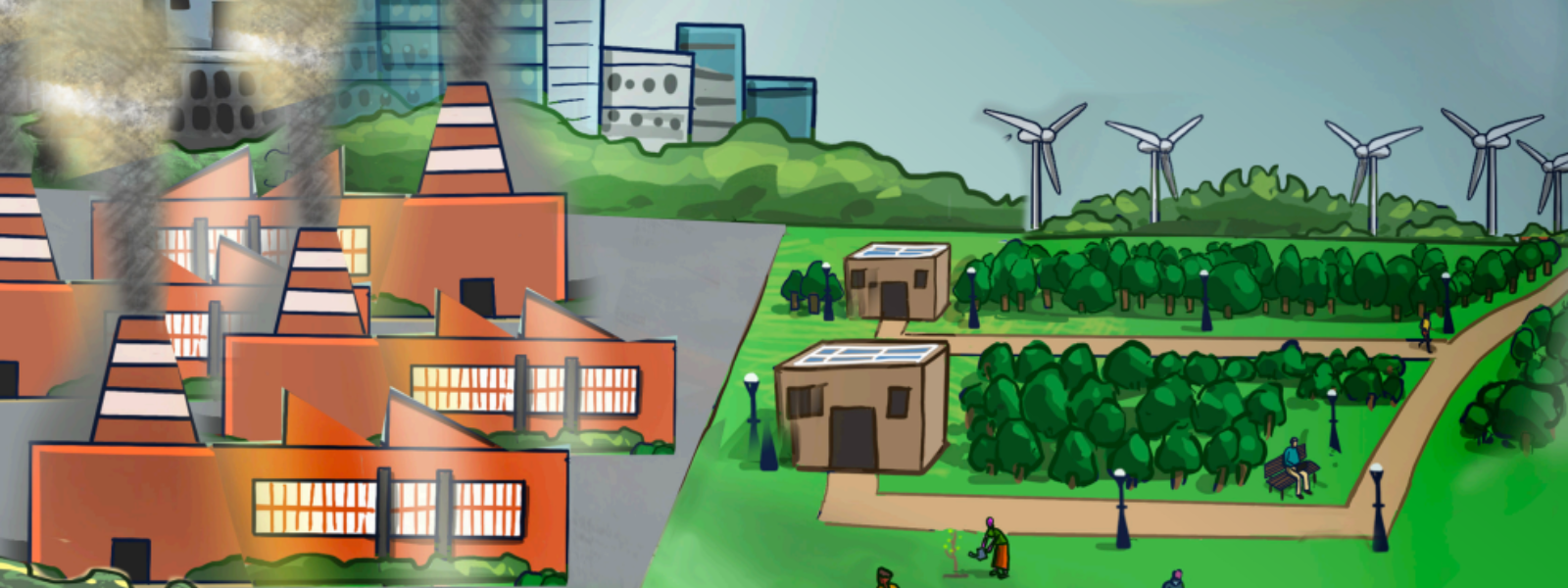
REPORT | Residential Energy Use: How Improvements in Residential Energy Use Contribute to Accelerating Access to Clean Air
For more than two billion people worldwide, the energy used to cook, heat, and light their homes is also a leading source of indoor and outdoor air pollution — a silent health crisis with devastating consequences. The report supports the World Bank Group Accelerating Access to Clean Air for a Livable Planet initiative, highlighting residential energy's impact on air quality and challenges of scaling clean cooking and heating for over two billion people globally. It makes the compelling case that transitioning households to cleaner energy solutions is not just an energy access issue but a public health imperative, examining barriers that range from affordability and supply chain gaps to behavioral adoption and policy inertia. ESMAP supported this work by providing the research, technical analysis, and cross-sector perspective needed to help governments and development partners understand how targeted investments in residential energy transitions can simultaneously advance clean air goals, improve health outcomes, and accelerate progress on climate and sustainable development commitments.
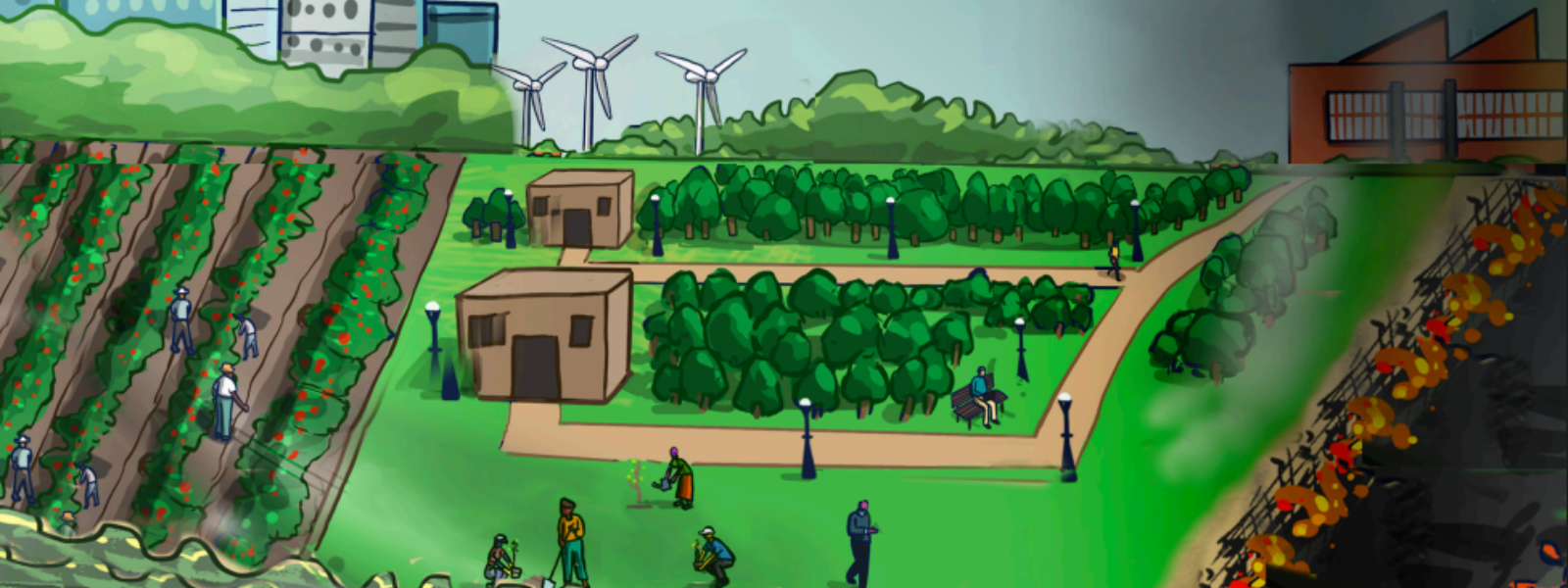
REPORT | Farming for Clearer Skies: How Agriculture Contributes to Clean Air Solutions
Air pollution and agriculture share a complex, two-way relationship in which agricultural activities both contribute to air pollution and are adversely affected by it. Moreover, polluted air can degrade soil quality, interfere with nutrient cycling, and harm beneficial soil microorganisms that are essential for healthy crop production, making it crucial to both reduce agricultural contributions to air pollution and address its harmful effects to ensure sustainable food production and environmental health. This report contributes towards the World Bank’s Accelerating Access to Clean Air for a Livable Planet report, which identifies the main sources of current air pollution and uses scenario modeling to demonstrate how integrated climate change and air quality management policies could yield significant reductions in future air pollution. The report explicitly builds on previous analytical work produced and financed by ESMAP.

LIVEWIRE | A Steady Hand for Wobbly Steps: Why New Electricity Markets Need Vesting Contracts
New electricity markets carry inherent risks of volatility and market power abuse— “teething troubles” that can derail reform. Vesting contracts are transitional financial hedges imposed before privatization to stabilize generator revenues and protect retailers—and, ultimately, consumers—from price shocks. By mimicking the natural hedge of a vertically integrated utility, or the hedging portfolio of a mature, liquid market, these contracts provide a steadying hand during the shift to competition. Their successful implementation, however, requires precise modeling of price and volume to discipline market behavior without sacrificing short-term economic efficiency or stifling long-term investment.

LIVEWIRE | Measuring the Climate Resilience of the Power Sector: Harmonization, Not Homogenization
Although by its very nature climate resilience can never be fully “standardized,”
the development and mainstreaming of climate resilience metrics can benefit from greater
consensus around key topics. Areas such as metric categories, methodologies, and reporting frameworks can be aligned through coordinated efforts among regulators, utilities, and other stakeholders, enabling more consistent, effective, and scalable resilience planning across the sector. The key is harmonization and not homogenization.

Global Off-Grid Solar Forum and Expo 2026
Registration is now open for the Global Off-Grid Solar Forum & Expo 2026, taking place 27–29 October in Kigali, Rwanda, co-organized by GOGLA and the World Bank Group's ESMAP. Bringing together 1,200+ leaders from governments, development finance institutions, the private sector, and civil society, the Forum will focus on advancing Mission 300 and national electrification strategies, mobilizing capital through results-based and blended finance, and scaling solutions that drive jobs and economic opportunity. For anyone committed to universal energy access, this is the must-attend event of 2026.
>> Register
Storage Needs Analysis: Optimizing Grid Flexibility and Capacity with BESS
Exciting news from ESMAP’s Energy Storage Partnership partner South African Energy Storage Association (SAESA), as it kicks off a new study into battery and pumped hydro storage to optimize grid capacity through energy storage.
>> Learn More
Europe and Central Asia Energy Knowledge Network News
Stephanie Gil, World Bank Group Energy Practice Manager for Europe and Central Asia, launches the first issue of the ESMAP-supported Energy Knowledge Network News. Each issue will spotlight upcoming events, highlight key network members, and bring you World Bank Group and industry updates.
>> Learn More | Subscribe
Cost Benchmarking for Long Duration Energy Storage Solutions
Did you know that long duration energy storage costs are set to decline by 2030? A new benchmarking study by our ESP partner Long Duration Energy Storage Council (LDES Council) and EPRI shows promising reductions driven by continued tech innovation and manufacturing scale-up.
>> Follow the Conversation on LinkedIn

STUDY TOUR: Industry Transition Study Tour Sweden and Norway, March 2-6, 2026
The Government of Sweden, LeadIT, SIDA, and ESMAP co-organized an Industry Decarbonization study tour to Sweden and Norway. Participants exchanged lessons with leading industrial projects and built partnerships to accelerate real‑world decarbonization and support sustainable economic growth.
WEBINAR: Navigating Cbam: Trade, Competitiveness, Opportunities for Hydrogen Based Industries
Participants explored how the Carbon Border Adjustment Mechanism (CBAM) is impacting global trade and industrial decarbonization.
WEBINAR: The African Power Pools: Building Towards the African Single Electricity Market
Participants explored recent developments in regional power pools and how the World Bank Group and ESMAP are scaling support.
WEBINAR | From Barriers to Breakthroughs: Lessons on Policy and Regulation for Pumped Storage Hydropower
Under ESMAP’s Hydropower Development Facility, this webinar highlighted practical tools and enabling conditions to advance PSH development across diverse and non‑liberalized electricity systems.
WEBINAR | Unlocking Carbon Finance for Clean Cooking Solutions
In this session, participants learned how carbon credits are generated from clean cooking projects, tackle methodological challenges such as over-crediting, and discussed how carbon revenues can complement other sources of finance to close the persistent funding gap.
WEBINAR: ESMAP-Africa Energy Learning Series | Connecting People through the PEPT Program in Côte d’Ivoire
This session presented Côte d’Ivoire’s Electricity for All Program (PEPT). It delved into how programmatic design and strong coordination can speed up last‑mile access.
WEBINAR | Electrifying Africa: Delivering on Mission 300 Faster Together
The session explored SOLEIL’s standardized, modular system design and maintenance approach for public facilities, and how sustainability is being addressed beyond installation.
WEBINAR: Niger’s Arzikin Haske: Funding Results in Clean Cooking and Off-Grid Solar
From design to implementation, the event traced how the fund evolved in concept and practice, what RBF can realistically deliver in a fragile context, and where other tools must fill the gaps.