

ESMAP Annual Report 2017
Related Publications
Request copies of ESMAP publications
Lorem ipsum dolor sit amet consectetur. Enim auctor pellentesque cras pharetra. Nulla suspendisse dui aliquet ac diam quam feugiat.
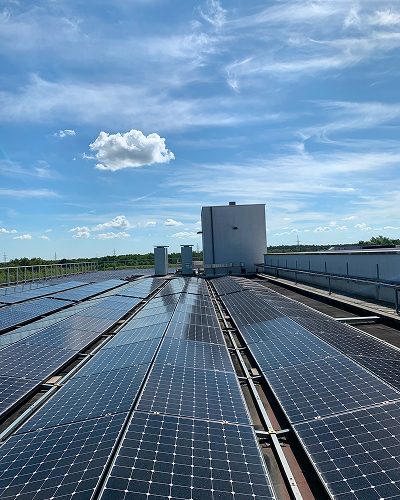
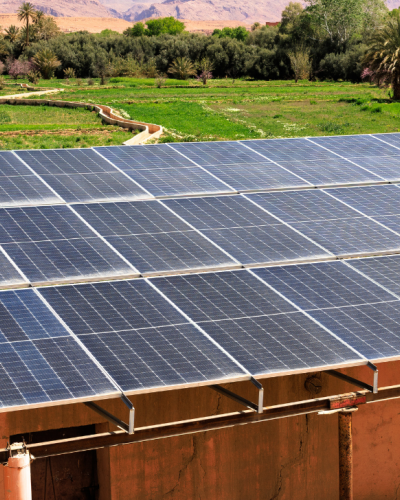
Solar is the fastest-growing source of electricity, meeting most of the increase in global demand.
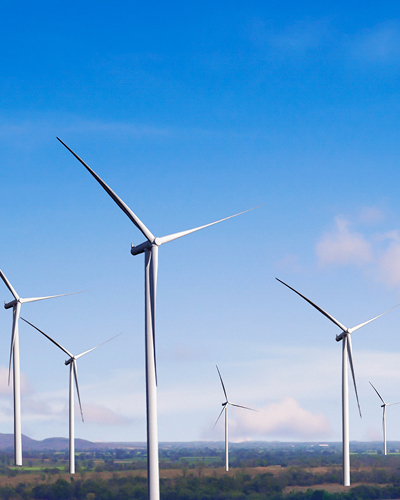
Around a quarter of the world’s offshore wind potential is within the waters of low- and middle-income countries. Accelerating its uptake in emerging markets has become essential in their transition from fossil fuels.
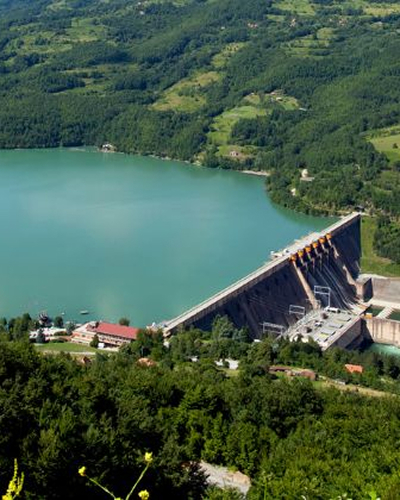
Access to modern energy services is a prerequisite for alleviating poverty and boosting shared prosperity. Despite progress in recent years, more than 789 million people still live without access to electricity. When developed in a sustainable manner, hydropower is an important renewable resource that can deliver energy at affordable and competitive prices while helping countries meet climate change targets. In addition to stimulating the growth of new industries, business, and jobs, hydropower can reduce the need for coal-fired plants, avoiding pollution and associated health impacts on local communities contributing to a decarbonized industrial economy.
With 1.3 billion people still lacking access to reliable and modern energy services, the increased role of hydropower is key to achieving SDG 7: to ensure access to affordable, reliable, sustainable, and modern energy for all.
Given hydropower’s potential to provide multiple services – including freshwater management, climate mitigation, climate adaptation services, ecosystem services, firm energy, energy storage, and other ancillary services —hydropower can contribute to other SDGs as well, including those for water (SDG 6), resilient infrastructure (SDG 9), and climate change (SDG 13).
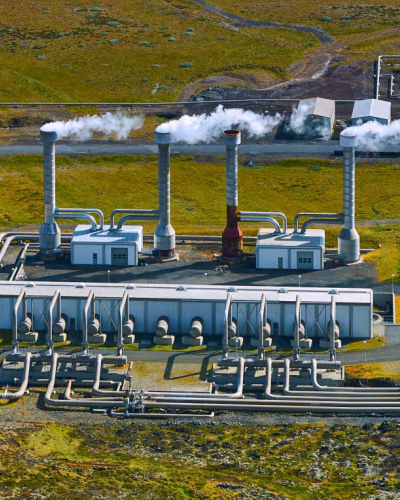
As a renewable energy source, geothermal generates power continuously, unlike weather-dependent solar and wind.
Off-grid solar delivers electricity through standalone, solar-powered products, offering a rapidly deployable and affordable offering for people without reliable grid access.
Objective
The Hydrogen for Development Partnership (H4D) was created to offer a global platform to accelerate clean hydrogen deployment by fostering international cooperation needed to afford tailored-made solutions for low and middle-income client countries. This includes knowledge sharing and capacity building.
The acumen of global knowledge produced by the Partnership will support the implementation of policies and regulations that will accelerate investments in clean hydrogen projects. The Partnership’s goal is to ensure that developing countries and emerging markets can participate in the growing hydrogen economy across the value chain in support of their climate and energy goals, while ensuring sustainable development and socioeconomic benefits.
H4D has five work streams: Technology, infrastructure, and systems integration; Policy frameworks and regulations; Investment, financing, business models and procurement; Socioeconomics and sustainability; and Hydrogen Use in Industry.
Global cooperation
The H4D Partnership will work closely with partners, observers, and stakeholders, which may include research institutions, technical laboratories, industry associations, policy makers and regulators, international institutions, and civil society.
Supporting a nascent industry
By having an international approach to research and development, knowledge sharing, training, and capacity building, the H4D Partnership supports a nascent industry by bringing new technological and regulatory solutions to developing countries, as well as helping generate new business models that leverage the full value chain of low-carbon and green hydrogen.
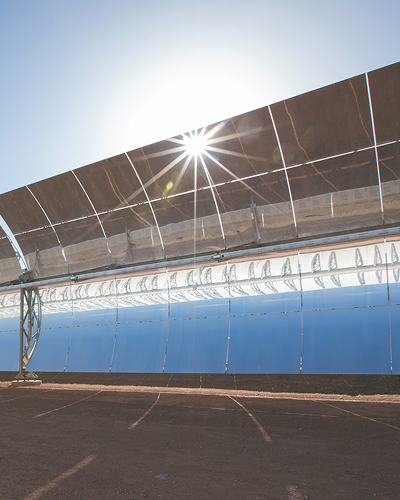
Energy transitions are underway in many countries, with a significant global increase in the use of wind and solar power playing a key role. To integrate variable renewable energy resources into grids, energy storage is key. Energy storage allows for the increased use of wind and solar power, which can not only increase access to power in developing countries, but also increase the resilience of energy systems, improve grid reliability, stability, and power quality.
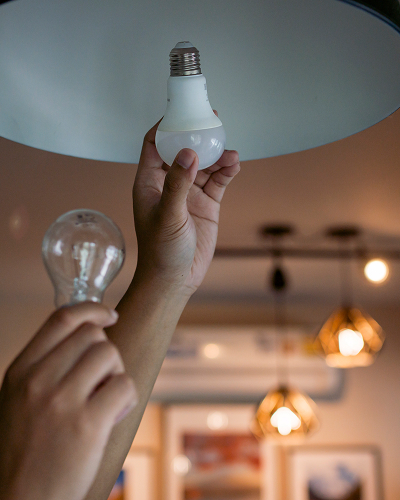
Cities are home to more than half of the world’s population. They consume more than two thirds of global energy and produce about 70% of greenhouse gas emissions. Cities are also drivers of economic growth. By becoming more energy efficient they can help mitigate the effects of climate change and contribute to the achievement of the Sustainable Development Goals – especially SDG7, which aims to ensure access to affordable, reliable, sustainable and modern energy for all. However, key institutional and financial challenges remain to mobilize investments, strengthen polices, and help cities plan ahead to avoid a lock-in of inefficient infrastructure.
Every year billions of dollars are spent on fossil fuel subsidies globally. Energy subsidies are meant to protect poor and vulnerable households and competitive enterprises from high energy costs. However, many energy subsidies fail to serve this intended purpose and lead to waste of limited resources. By artificially lowering the cost of energy consumption, subsidies cause economic distortions, impacting all segments of the economy. These subsidies also impose a heavy fiscal burden on governments and divert resources away from other critical priorities, such as investing in service delivery in health, education, and social protection, resilient infrastructure, and other development goals. The opportunity costs of energy subsidies are more significant for developing countries, where investment needs in human development and infrastructure are substantial and fiscal resources are limited.
ESMAP’s Energy Subsidy Reform Facility (ESRF), which was established in 2013, supports developing country governments in designing and implementing energy subsidy reform programs. The facility was established to meet the demand for technical, analytical, and advisory support on diverse and interrelated issues to be addressed while reforming energy subsidies.
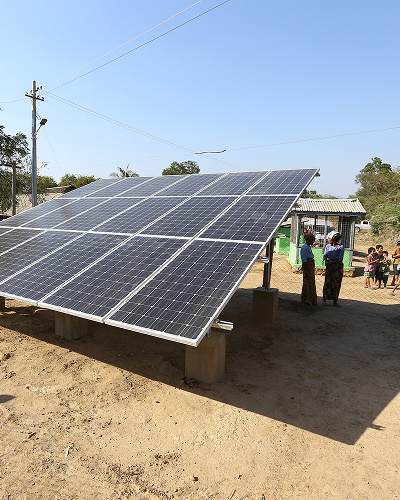
Access to dependable and affordable electricity is critical to lifting people out of poverty.
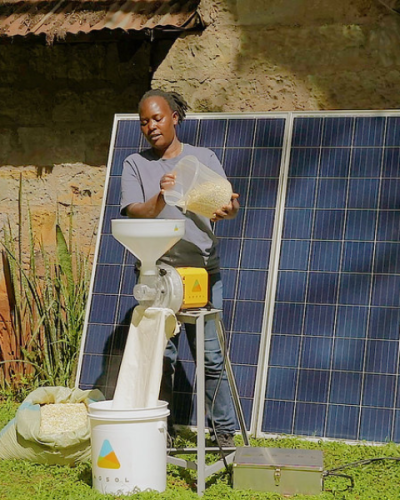
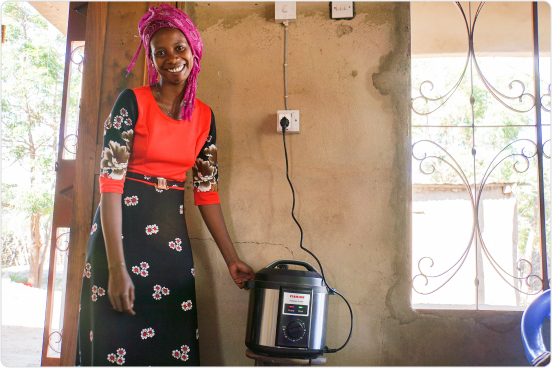
At the United Nations 2019 Climate Summit, ESMAP launched its US$500 million Clean Cooking Fund (CCF) – the first ever such fund to scale up investments in the clean cooking sector. The fund aims to scale up public and private investments by co-financing with Multi-lateral Development Bank’s lending operations, catalyzing technology and business innovation, and linking incentives with verified results.
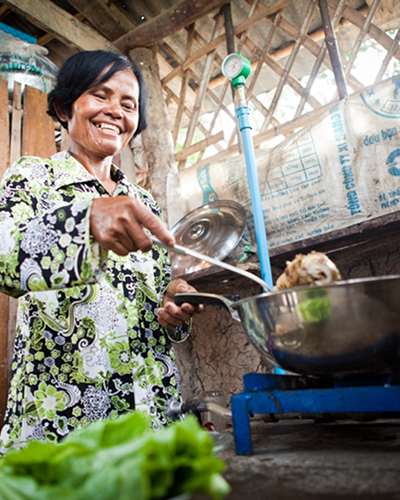
Focusing on gender equality is core to development. It is also smart economics. There is clear evidence from the World Bank Group and other cross-disciplinary organizations that no country, community, or economy can achieve its potential or meet the challenges of the 21st century without the full and equal participation of women and men. Improving gender balance has proven to enhance financial performance, improve development outcomes, stimulate innovation, and result in safer work environments.
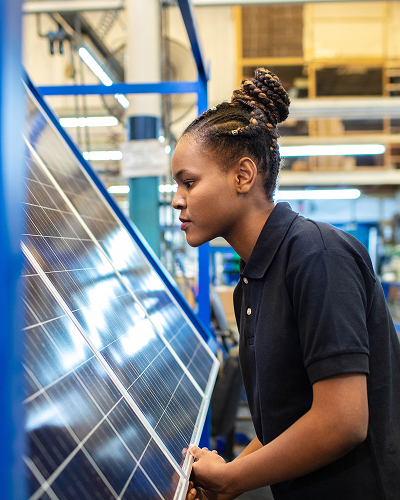
The industrial sector is progressively becoming the primary source of CO2 emissions, and its decarbonization is critical to limiting the global temperature increase. Three industries – iron and steel, non-metallic minerals (cement, glass, lime), and chemical industries – are responsible for 70 percent of all direct industrial CO2 emissions today. Innovation will be key to decarbonize the industry, particularly in high temperature heat applications.
The rapid industrialization taking place in low- and middle-income countries, where the bulk of greenfield developments and expansions of facilities will take place, presents a key opportunity to shape a low carbon future and improve the competitiveness of industries. The World Bank Group (WBG), through ESMAP, is uniquely positioned to support client countries in decarbonizing their industrial sectors by helping them adopt innovative technologies and solutions, leapfrogging old technologies that could have locked-in carbon emissions for decades.
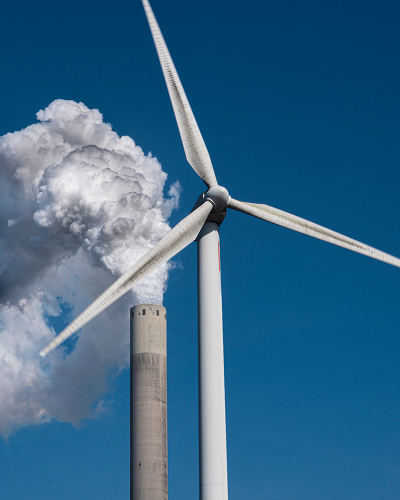
There is approximately 2,000 GW of coal-based generation capacity remaining worldwide, despite widespread recognition of coal’s strong negative impact on climate change. While a phase-out of coal is occurring, the process is slow given the scale of the challenge and limited economic alternatives. For developing countries, coal mine retirement bears significant social, economic, and political challenges. The transition requires a programmatic, multi-decade approach that is multi-faceted in nature across jobs, skill sets, environmental issues, and finance.
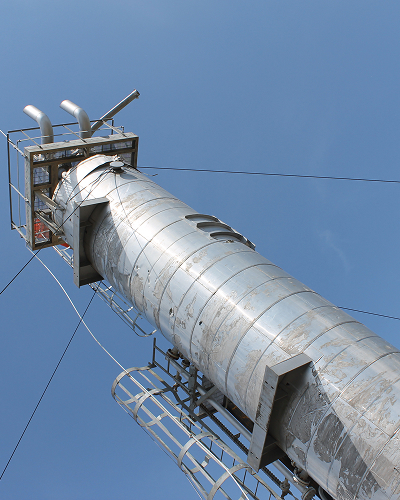
The power sector landscape is undergoing a transformative change driven by increasingly urgent decarbonization goals, falling costs of digital technologies and data storage and processing capabilities. Digital and data-driven transformation of utilities and smart grids are enabling greater operational efficiency, enhanced customer engagement, and new service delivery models. These technologies enable utilities and system operators to view, measure and manage the demand and supply balance on the grid with greater speed and accuracy, key to deep decarbonization efforts. This, more flexible grid, enables greater penetration of variable renewable energy production and improved efficiency across the supply chain. Associated new business models are also giving rise to new market players, especially those on the “grid-edge” to deliver improved service quality and customer engagement through distributed energy resources.
The ESMAP Utilities for the Energy Transition program supports utilities in the journey to harness the opportunities to deploy digital and decentralized technologies, design and adopt new business models, leverage the value of data, build capacity of sector practitioners, enhance regulatory frameworks and policy, and enable the emergence of new service providers in the energy sector. The program does this through a combination of technical assistance, knowledge work, peer-to-peer knowledge exchange, and partnerships.

A well-functioning, flexible, and financially sound power sector is a necessary foundation for the energy transition, which requires the sector to adopt new service delivery models and disruptive technologies, integrate new and cleaner sources of energy, and adapt market regulations and incentives to ensure sustainable change.
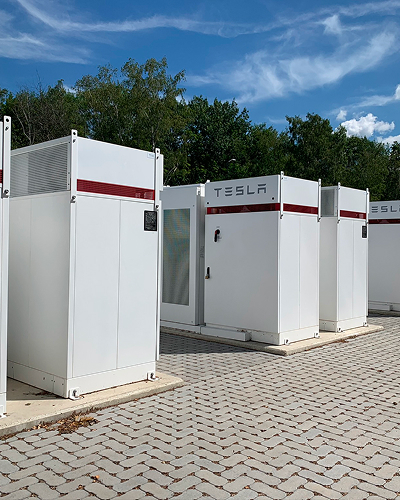
Data and analytics are key to evidence-based decision-making on policies and investments necessary for achieving SDG7. Comprehensive, detailed data at the global and country levels for energy access (electricity and cooking solutions) is lacking. Geospatial information gaps are a barrier to electrification planning. More efficient ways of data collection for energy access are required to support scaled-up investment.
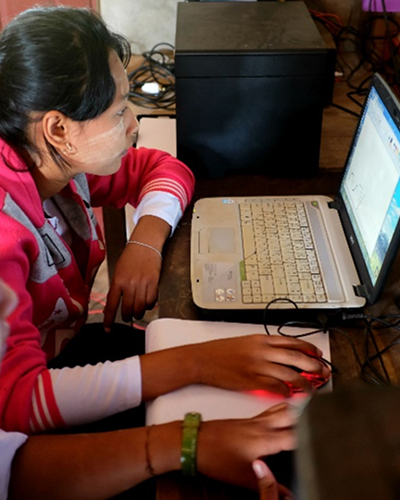
IMPACT Issue 10 | Listening to Client Needs: ESMAP Support to Turkey's Energy Transition 2007-2015
Few countries can parallel Turkey’s efforts to restructure its energy sector over the past 15 years. Moving from a state-owned, vertically-integrated model, Turkey has entirely privatized electricity distribution; passed ground-breaking electricity market, renewable energy, and energy efficiency legislation; established new regulatory bodies; and carried out price reform.
The Global Electrification Platform (GEP), an initiative by the World Bank’s Energy Sector Management Assistance Program (ESMAP), aims to standardize and simplify the use of geospatial tools to create least-cost electrification plans. Originally launched in November 2019, it provides a high-level overview of the technology mix - grid, mini-grid and standalone solar - and investment required to achieve universal access by 2030 for each country.
The GEP is one of the few energy optimization modelling tools that is open source, publicly available, and freely replicable. Using the costs associated with generation, transmission and distribution, it calculates the cost to serve every unelectrified settlement with various technology options - e.g. grid extension, mini grid, or standalone solar - and then identifies the least-cost solution. A set of standardized scenarios is developed for each country, visualized in a user-friendly way on a web-based platform freely available on energydata.info.
For Sub-Saharan Africa, GEP 3.0 finds that annual emissions by 2030 can be reduced, depending on targeted electricity demand levels, from 69 - 193 million metric tons CO2-equivalent to 16-36 million metric tons CO2-equivalent with an increase in investment of only 9-12%. This shows that significant reductions in the expected additional emissions from expanding electricity access can be achieved at a relatively low cost.
Explore GEP 3.0: electrifynow.energydata.info
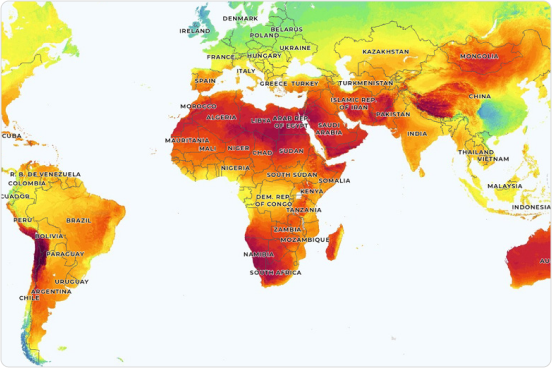
The World Bank and the International Finance Corporation, collectively The World Bank Group, have provided this Global Solar Atlas in addition to a series of global, regional and country GIS data layers and poster maps, to support the scale-up of solar power in our client countries. This work is funded by the Energy Sector Management Assistance Program (ESMAP), a multi-donor trust fund administered by The World Bank and supported by 13 official bilateral donors.
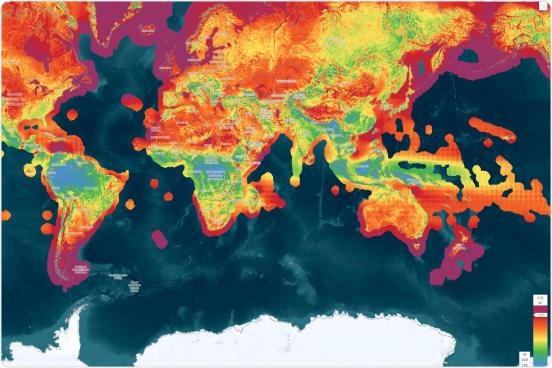
The Global Wind Atlas is a free, web-based application developed to help policymakers, planners, and investors identify high-wind areas for wind power generation virtually anywhere in the world and then perform preliminary calculations. The Global Wind Atlas facilitates online queries and provides freely downloadable datasets based on the latest input data and modeling methodologies.
The Multi-Tier Framework (MTF) initiative redefines the way energy access is measured, going beyond the traditional binary measure of “connected or not connected” for electricity access, and “solid vs nonsolid fuels” for cooking.
Launched in June 2015 by the Energy Sector Management Assistance Program (ESMAP), the MTF collects a comprehensive set of data at the country level and analyzes it to deliver an innovative narrative about the country’s energy status, acknowledging that electricity access is a spectrum of service levels experienced by households, businesses, and institutions, and using that knowledge to inform the policy-making process.
Access to reliable, affordable and modern energy services is fundamental to sustainable development as codified in the SDG 7.1. Achieving this will require substantial new investment, deployment of innovative technologies, and a wide range of interventions targeted for underserved populations. The success of such interventions largely depends on data and analytics availability of existing access gaps, and potential options to overcome them.
The MTF captures specific data that allows governments to identify and understand energy access gaps and develop potential solutions to improve energy services. The MTF identifies and analyzes the main reasons why households are not using electricity, or why their usage is limited (i.e. by capacity, reliability or affordability issues), and then recommends a set of measures to remove such constraints. MTF, therefore, not only allows for a nuanced tracking of SDG 7 targets, but also helps governments fine-tune their policies and approaches for reaching them.
The Regulatory Indicators for Sustainable Energy (RISE) is the first policy scorecard of its kind. It assesses the investment climate in 140 countries in electricity access, clean cooking, energy efficiency and renewable energy. RISE was developed by the World Bank’s Energy Global Practice with support from ESMAP. It is freely available on an online data platform that enables users to customize the information they need on each country’s power sector and policy framework.
Tracking SDG7: The Energy Progress Report provides the international community with a global dashboard to register progress on the targets of Sustainable Development Goal 7 (SDG7): ensuring universal energy access, doubling progress on energy efficiency, and substantially increasing the share of renewable energy. It also registers progress towards enhanced international cooperation to facilitate access to clean and renewable energy by 2030, as well as on the expansion of infrastructure and technology upgrade for supplying modern and sustainable energy services for all in developing countries. It assesses the progress made by each country on these targets and provides a snapshot of how far we are from achieving SDG7.
The 2022 release is the eight edition of this report, which was formerly known as the Global Tracking Framework (GTF).
The power sector is undergoing transformation driven by urgent decarbonization goals, falling costs of technologies, data storage and processing capabilities. The combination of these factors has converged in a transformation that is fundamentally changing the environment for electricity utilities.
This poses both opportunities and challenges. On the one hand, utilities are having to navigate an unfamiliar environment characterized by rapidly evolving technologies and an increasing number of decentralized actors. On the other hand, smart grids and other digital technologies are enabling greater operational efficiency, enhanced customer engagement, and making new business models possible.
The Utility Knowledge Exchange (UKEP) Platform
The Utility Knowledge Exchange Platform (UKEP) is a new World Bank initiative that aims to facilitate partnerships and knowledge exchange between power utilities. This collaboration helps utility experts and management in power generation, transmission, and distribution, to harness the technologies and business innovations that are changing the power sector landscape and are critical to energy transition.
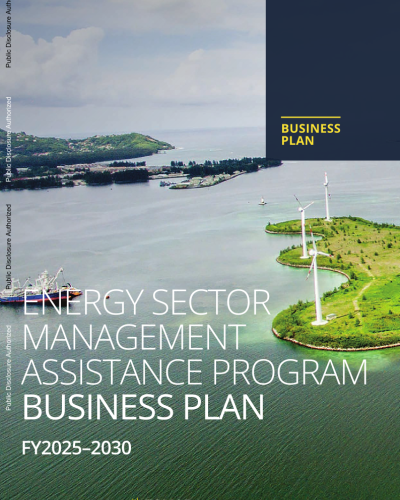
In fiscal year 2025, ESMAP delivered significant results, including access to electricity for 21 million people and clean cooking solutions for 1.1 million. ESMAP initiatives also enabled 5,552 MW of new renewable energy capacity. Looking at cumulative achievements since fiscal year 2021, ESMAP’s support has helped 58 million people gain electricity access, 2 million benefited from clean cooking technologies, and contributed to 86,752 MW of renewable energy capacity.
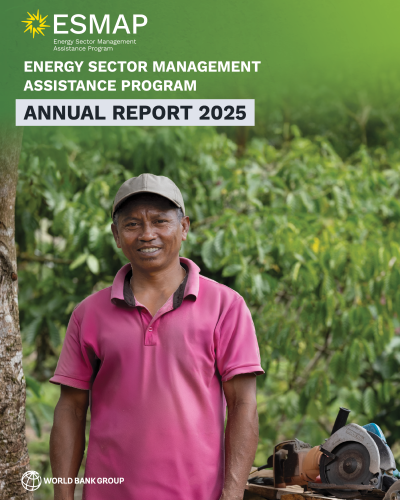
In its Business Plan FY25-30, ESMAP aims to support client countries on three overarching objectives:
Ensure universal access to affordable, reliable, and modern energy services by 2030;
Accelerate the transition towards a sustainable, just, and decarbonized energy system; and
Ensure the resilience and adaptation of the energy sector to the growing impacts of climate change and other shocks.
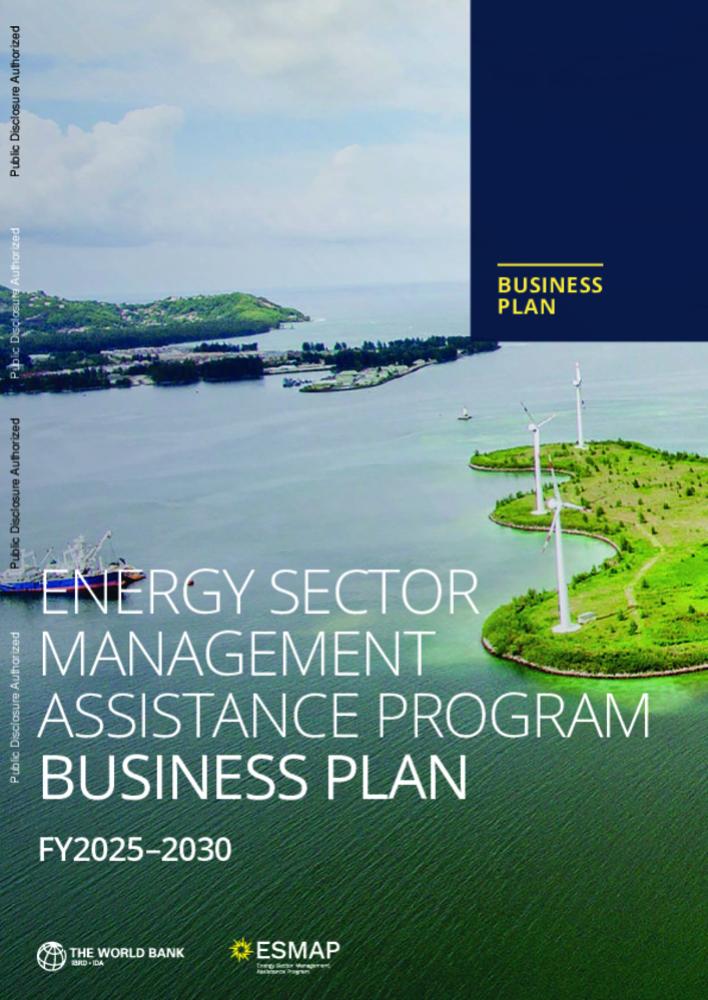
The Business Plan has two focus areas: Energy Access and Energy Transition. The Energy Access focus area helps World Bank clients achieve results on the ground and will employ three approaches: i) catalytic incentives to facilitate private sector investments and connections, ii) hands-on implementation support, and iii) tailored solutions for all beneficiary groups. The Energy Transition focus area will be implemented through three complementary workstreams: (i) scaling up renewable energy, storage, and clean hydrogen; (ii) scaling-up energy efficiency and decarbonization of end-use sectors; and (iii) transitioning away from unabated fossil fuel.
These workstreams will be supported by the Financial Innovation Window designed to provide last-resort project de-risking and incentives for innovation and resilient investment. All workstreams will support economic and leadership opportunities for women and excluded groups.
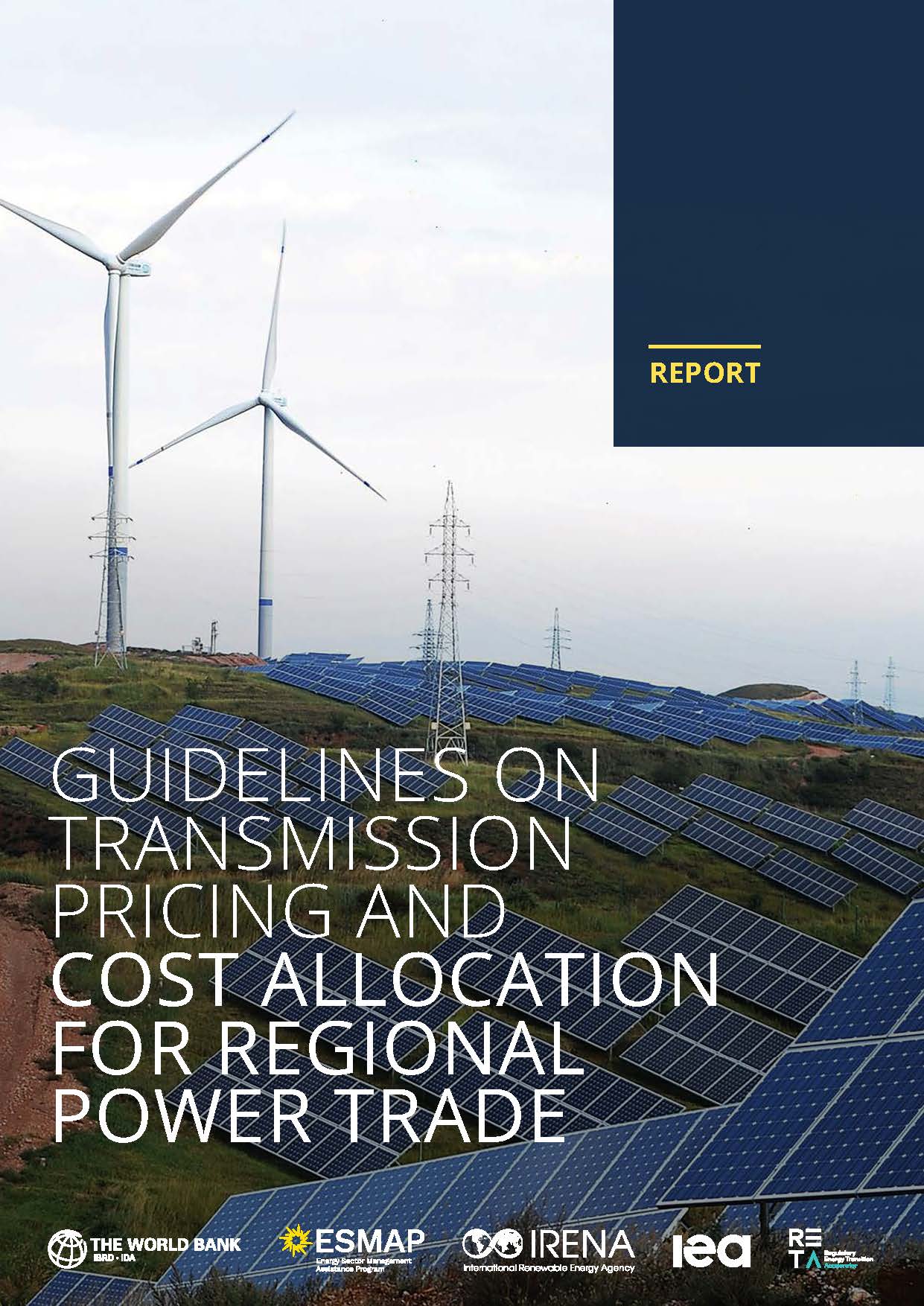
Regional power integration can offer economic benefits, enhanced power supply quality and security, and opportunities for scaling up climate change mitigation measures. To promote electricity trade and unlock its benefits, open and non-discriminatory access is essential—so any qualified participant can use the grid and trade power under the same clear, fair rules. Building on ESMAP’s Beyond Borders, which sets out five building blocks for deeper integration, this report focuses on transmission pricing and cost allocation—how the costs of building, operating, and maintaining the regional grid are shared among participants. Traditional approaches, such as the territorial principle (allocating costs in proportion to line length by country) and cost distribution among a limited set of participants, often distort trade and deter investment. To remedy these shortcomings, the guidelines advocate for, based on a single-system paradigm, a more effective approach for allocating transmission costs and setting tariffs for electricity trade.
Cost allocation should adhere to key principles:
Transmission charges must cover recognized costs and returns on investment.Charges must be independent of individual commercial transactions.Cost allocation should be proportionate to benefits received.Cost allocation rules should be stable and predictable over time.Charges must minimize market distortions.A structured process is recommended for determining transmission tariffs:
Identify transmission network elements with cross-border relevance.Define the revenue requirement for these assets.Allocate the total revenue requirement among participating countries.Establish national transmission charges accordingly.Additionally, successful implementation requires a dedicated regional framework, such as a regulatory authority or an entity with enforcement and dispute resolution capabilities.
Learn More about ESMAP’s Power Markets, Grid Connectivity, and Regional Trade (MARCOT) initiative
Lorem ipsum dolor sit amet consectetur. Enim auctor pellentesque cras pharetra. Nulla suspendisse dui aliquet ac diam quam feugiat.