
HIGHLIGHT
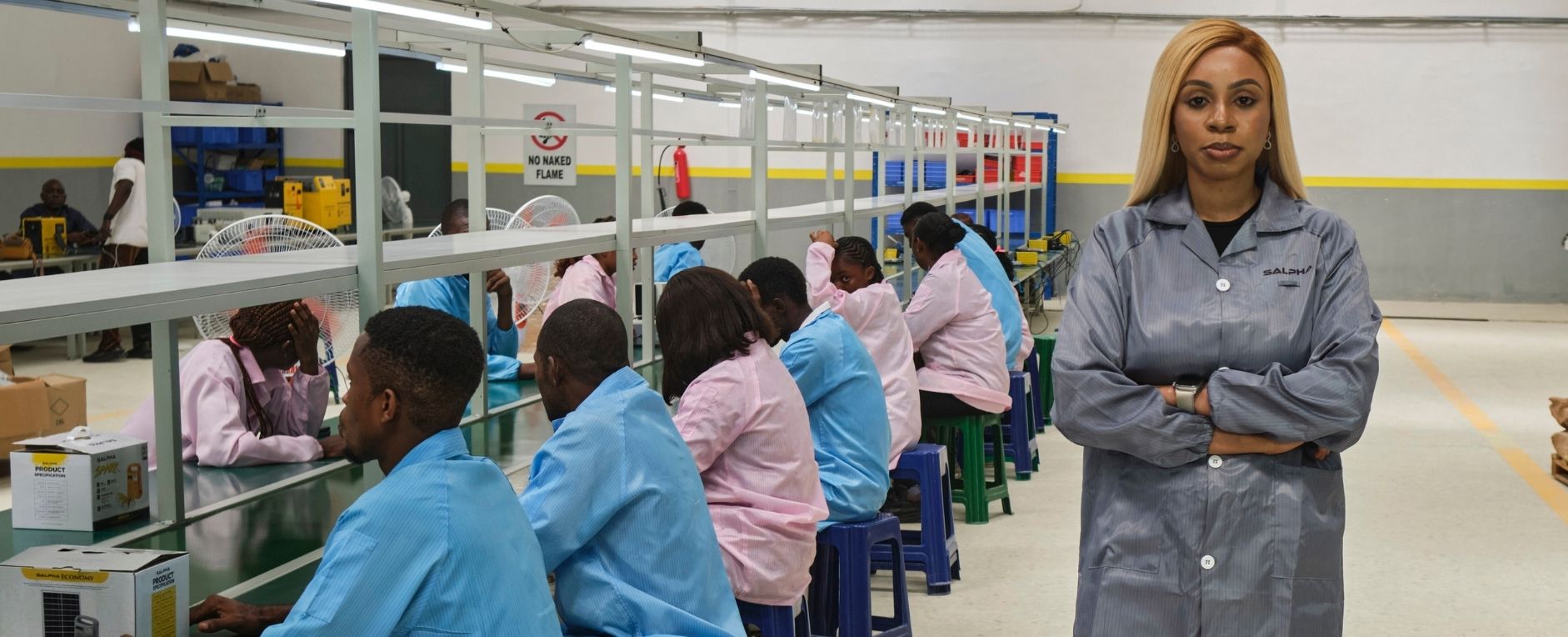
In Nigeria and Yemen, Power Beyond the Grid Creates Jobs for Women
ESMAP, through its Global Gender and Energy Program is helping break barriers for women in energy. Through World Bank Group programs, such as Mission 300, supported by ESMAP, we are turning electrification into jobs by powering equipment that enables households and small businesses to increase their production and boost income. Such as in Nigeria, where Sandra Chukwudozie’s solar assembly plant is employing young women as installers, and enabled farmers like Rashida Abubakar to use solar-powered milling. In Yemen, Eman opened a business with subsidized solar micro-finance. These efforts show how tailored solutions expand electricity access and unlock jobs for women. ESMAP continues to work with partners to improve women’s access to electricity, economic opportunities, and leadership in the energy sector. Through ESMAP supported Regional alliances such as WePOWER, RENEW MENA, and, WENA-Africa, we are ensuring that women are not only beneficiaries but leaders in the energy transition. They do this by mentoring young professionals, creating pathways into technical and leadership roles, and shaping policies for scaling women's participation across the energy workforce. Between January 2024 and November 2025, these networks collectively launched over 7,000 initiatives, reaching more than 95,000 girls and women.
BOARD APPROVALS
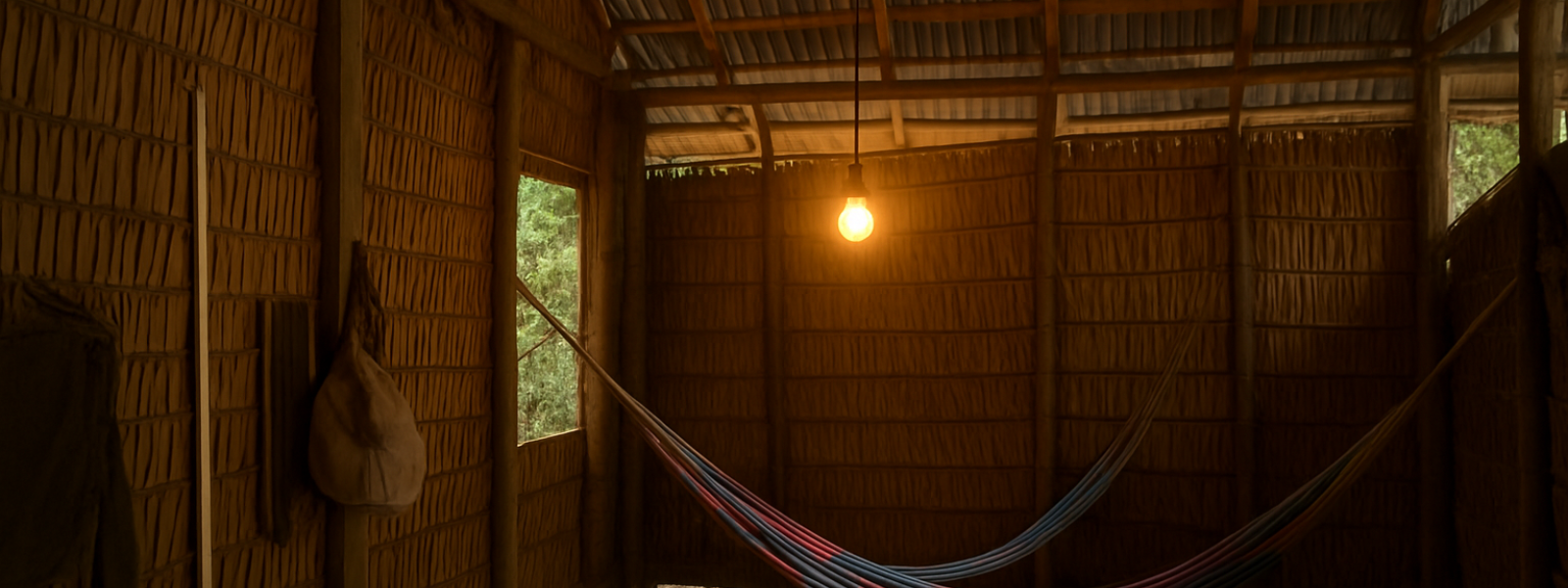
World Bank Supports Jobs, Renewable Energy and Lower Energy Costs in Brazil's Amazon Region
ESMAP played a catalytic role in advancing an inclusive energy transition in Brazil’s Legal Amazon. Through a targeted technical assistance grant, ESMAP helped launch the Young Apprentice Program, equipping women and minority youth with renewable energy and leadership skills. ESMAP’s support reduced institutional and implementation risks, strengthened project credibility, and ensured alignment with World Bank Group sustainability and inclusion standards. The initiative demonstrates that large-scale energy investments can be both technically sound and socially inclusive, underscoring ESMAP’s strategic impact in leveraging transformative, gender-responsive energy solutions.
The total project investment amounts to US$627.75 million, combining a US$100 million IBRD loan from the World Bank Group, US$400 million in counterpart financing from the Brazilian government, US$125 million in commercial financing, and a US$2.75 million Energy Sector Management Assistance Program (ESMAP) grant for technical assistance.
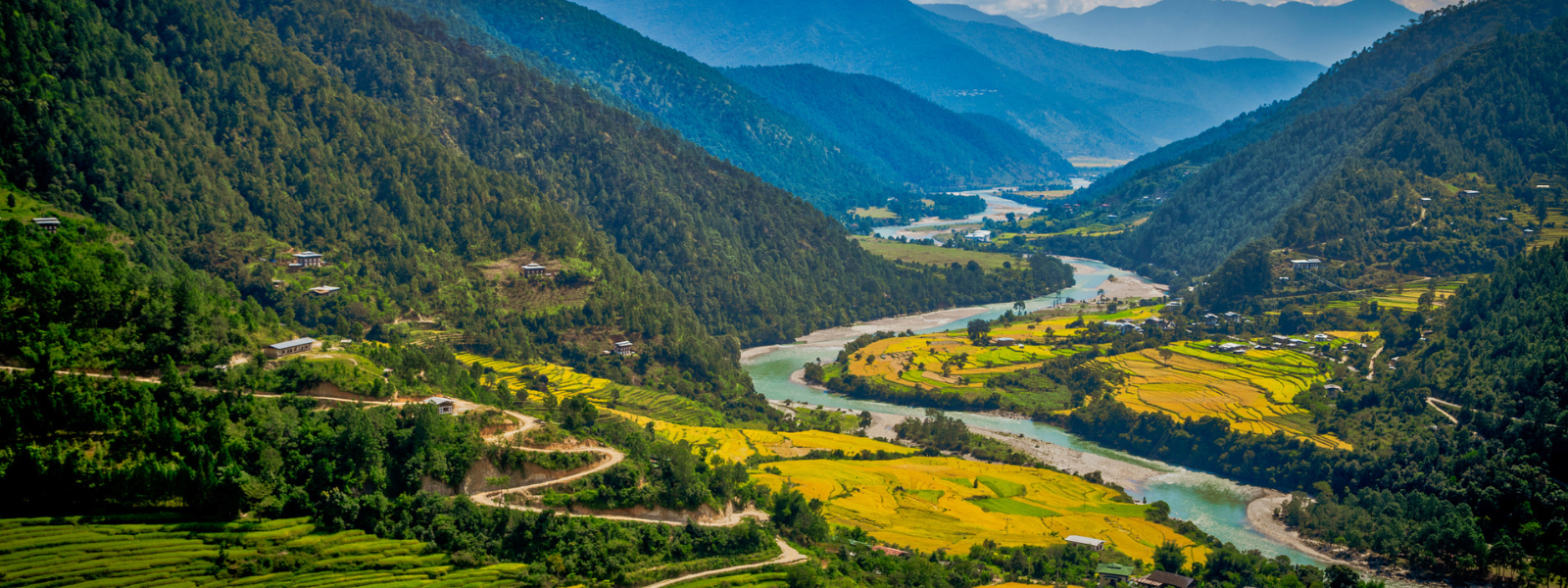
The Bhutan Dorjilung Hydropower Project
The 1,125 MW hydropower project places particular emphasis on positive social impacts and benefit sharing particularly gender equity. Overall, it is estimated to generate 4,000–5,000 direct and indirect jobs per year on average during construction and operation. A community-led Development plan will deploy investments that will contribute to these projections through (i) skilling for direct construction and indirect jobs (services, supply chain, community contracting), (ii) local enterprise promotion, and (iii) last-mile infrastructure development, targeting at least 2,000 new and better jobs for local communities, particularly women and youth.
An ESMAP grant funded updates to the project’s design and environmental assessments, aligning with international standards. It also strengthened institutional capacity. For example, two independent panels were established to ensure technical and environmental compliance, and over 350 officials were trained on international knowledge exchange.
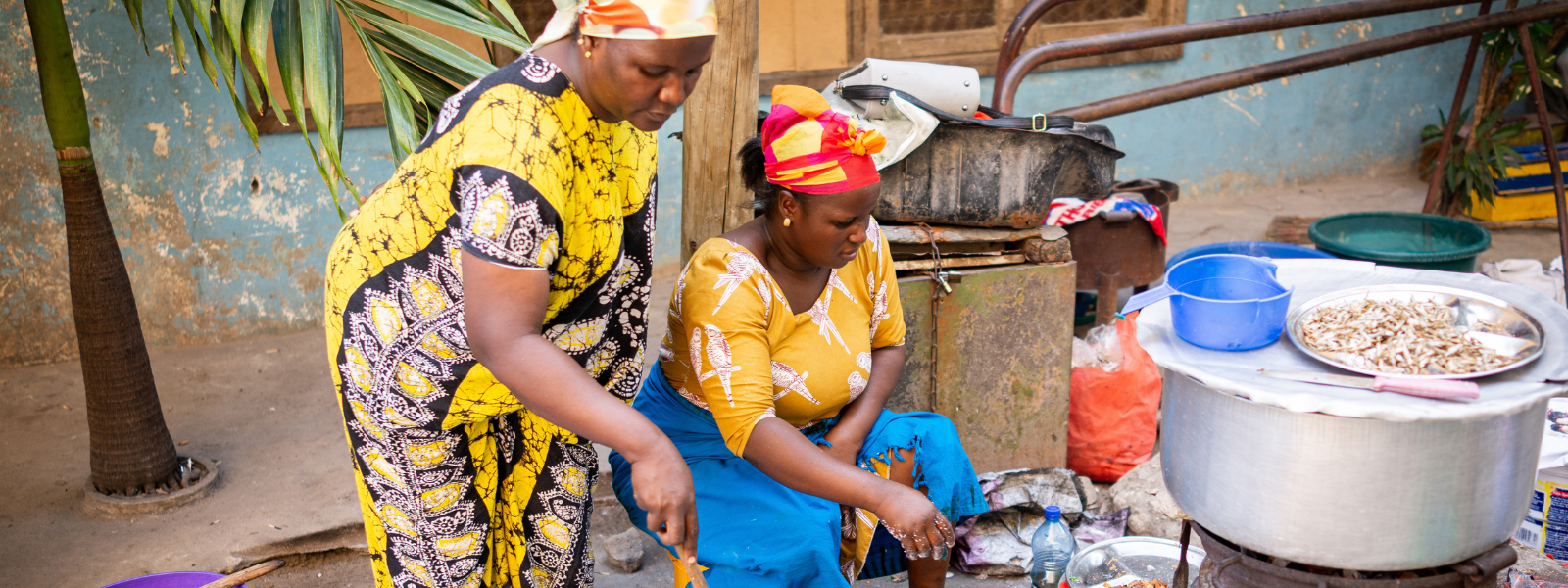
World Bank Supports Greater Access to Energy and Broadband Services in Rural Mozambique
ESMAP was a key partner in making this transformative access to energy project possible. Beyond the World Bank Group’s US$300 million IDA grant, ESMAP provided targeted technical and financial support to scale clean energy solutions. Most notably, ESMAP’s Clean Cooking Fund contributed US$5 million to expand access to modern cooking technologies in underserved areas, reducing health risks for women and children and cutting reliance on traditional biomass. This funding complements broader electrification efforts by ensuring households benefit from safe, affordable, and sustainable cooking options alongside electricity access.
IMMERSIVE STORIES
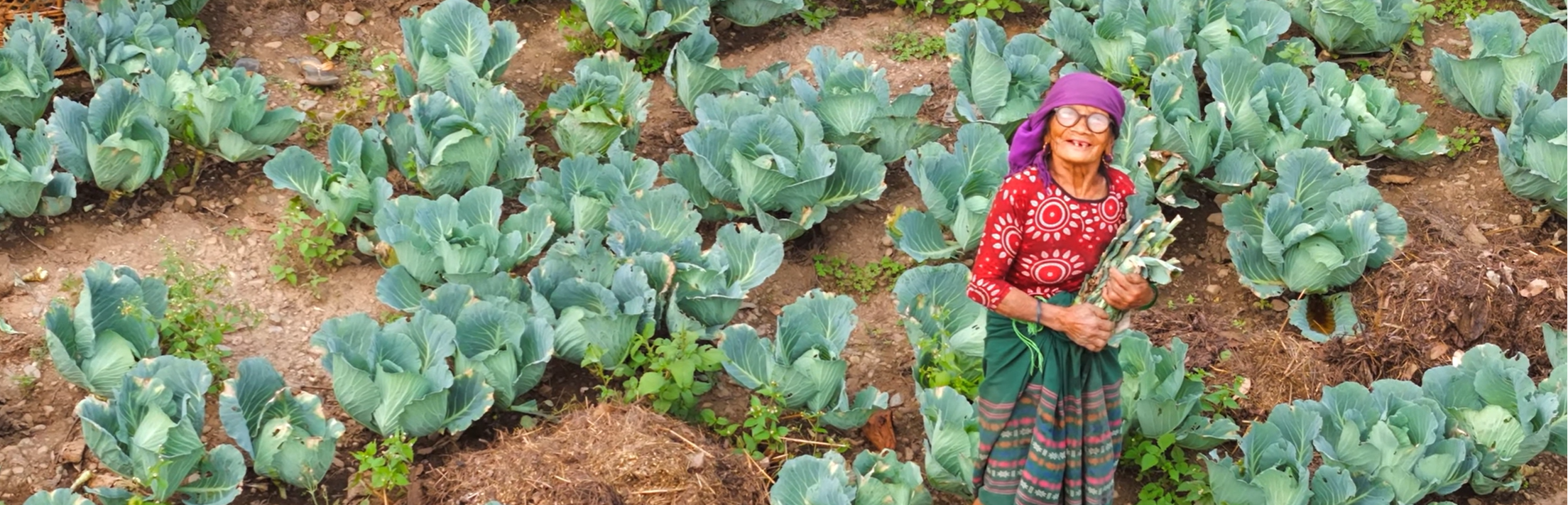
A Path to Jobs and Opportunities: Breaking Barriers to Women’s Economic Empowerment in South Asia
ESMAP has played a sustained and strategic role in advancing women’s economic empowerment in South Asia’s energy sector, notably through its support to WePOWER (Women in Power Sector Professional Network in South Asia). Since 2019, ESMAP has helped strengthen WePOWER as a regional platform that brings together partners to commit to measurable actions to increase women’s participation and leadership in the power sector. Beyond convening, ESMAP supports gender responsive capacity building, regional training, and initiatives that expand women’s access to STEM education and energy careers. ESMAP’s analytical work and evidence-based research further inform policy dialogue and investment decisions to address persistent gender gaps in the sector. Through regional collaboration and knowledge sharing, including partnerships with institutions such as ADB, ESMAP continues to drive systemic change that opens pathways to jobs, leadership, and economic opportunity for women across South Asia.
Together, these efforts tell an immersive story: one of South Asian women stepping into power plants, boardrooms, and training halls—transforming not only an industry, but their own economic destinies. Through WePOWER, ESMAP is helping turn individual ambition into systemic change, paving a clearer path to jobs, leadership, and economic empowerment across the region.
>> Immerse yourself in their story
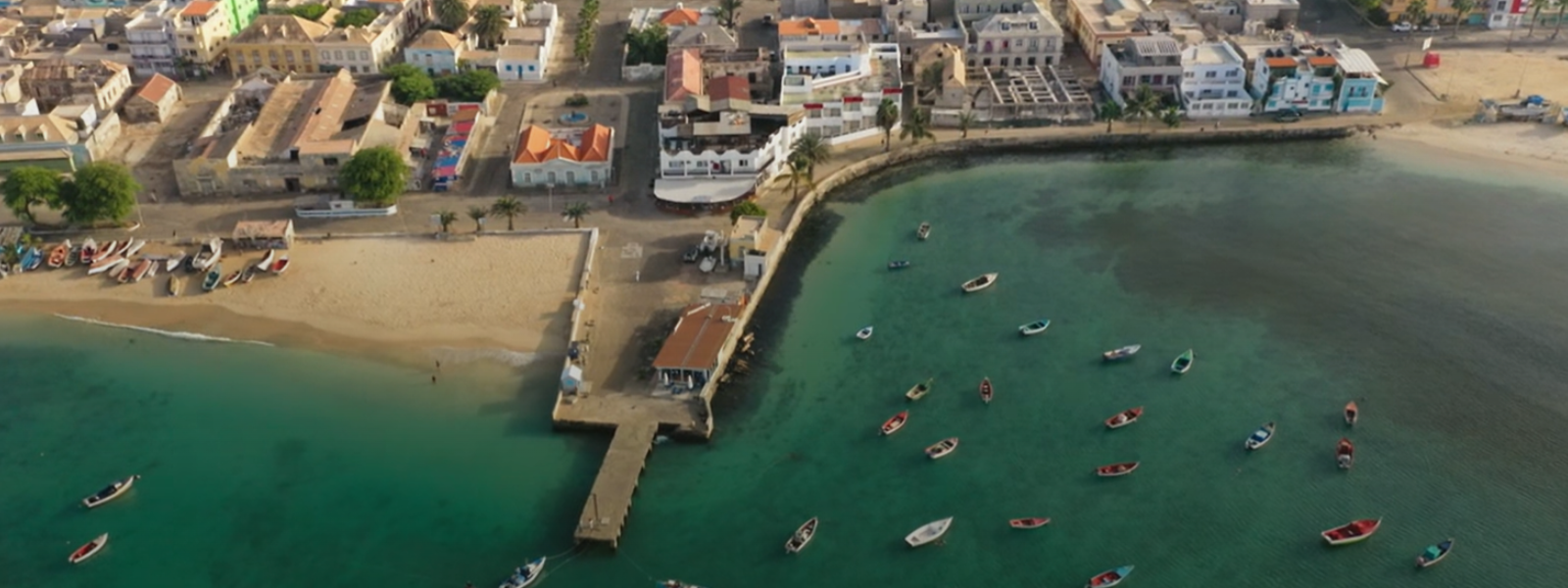
Meet the Women Powering the Islands
A first in a series, this immersive story sheds light on how greater women participation can enhance the impact of clean energy technologies on energy security and affordability in small islands. Meet Shurpal, Hamna, and Audilia—women from Saint Lucia, the Maldives, and Cabo Verde who are transforming the energy sector.
With the World Bank Group's support via ESMAP and partners, these women are overcoming barriers to education and employment in STEM fields and advancing renewable energy solutions. Harnessing women’s talent is key to building a better future.
>> Immerse Yourself in their Story
NEWS
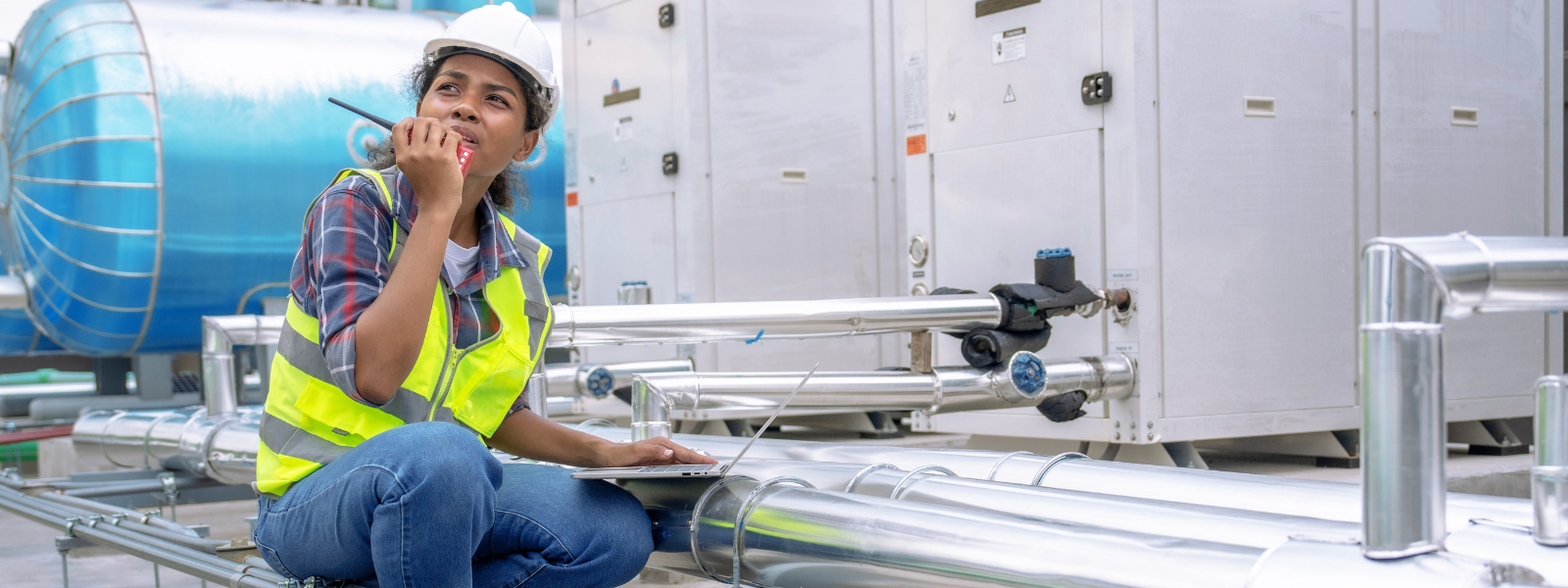
Empowering Women | The Energy Storage Partnership Mentoring Program: Gender and Jobs
Discover the inspiring stories of two women leaders who are driving innovation in energy storage and advancing sustainable development in Nigeria and Tanzania. Through their video testimonials, they share why energy storage solutions are critical to solving energy challenges, creating jobs, and improving livelihoods in their home countries. ESMAP’s Energy Storage Program fosters gender equality through the Women in Energy Storage Mentoring Program, focusing on career development and technical knowledge for women in the energy sector.
Meet Tega Ishaya (Nigeria) An electrical engineer with nearly a decade of experience across Nigeria’s power sector, Tega Ishaya is helping shape the country’s clean-energy future. Currently at Elektron Energy, she drives commercial strategy for renewable and independent power projects, translating ambitious ideas into real-world impact.
| Meet Eng. Doris Atieno Noah (Tanzania) A leader and innovator, Eng. Doris Atieno Noah is currently pursuing a Ph.D. in Chemical and Biochemical Engineering. Through her work integrating solar panels with battery energy storage systems, Doris is increasing energy access while enabling Tanzanian women to become entrepreneurs—creating jobs, livelihoods, and new opportunities for their communities.
>> Watch Doris’s video to learn how her work is powering change on the ground |
BLOGS
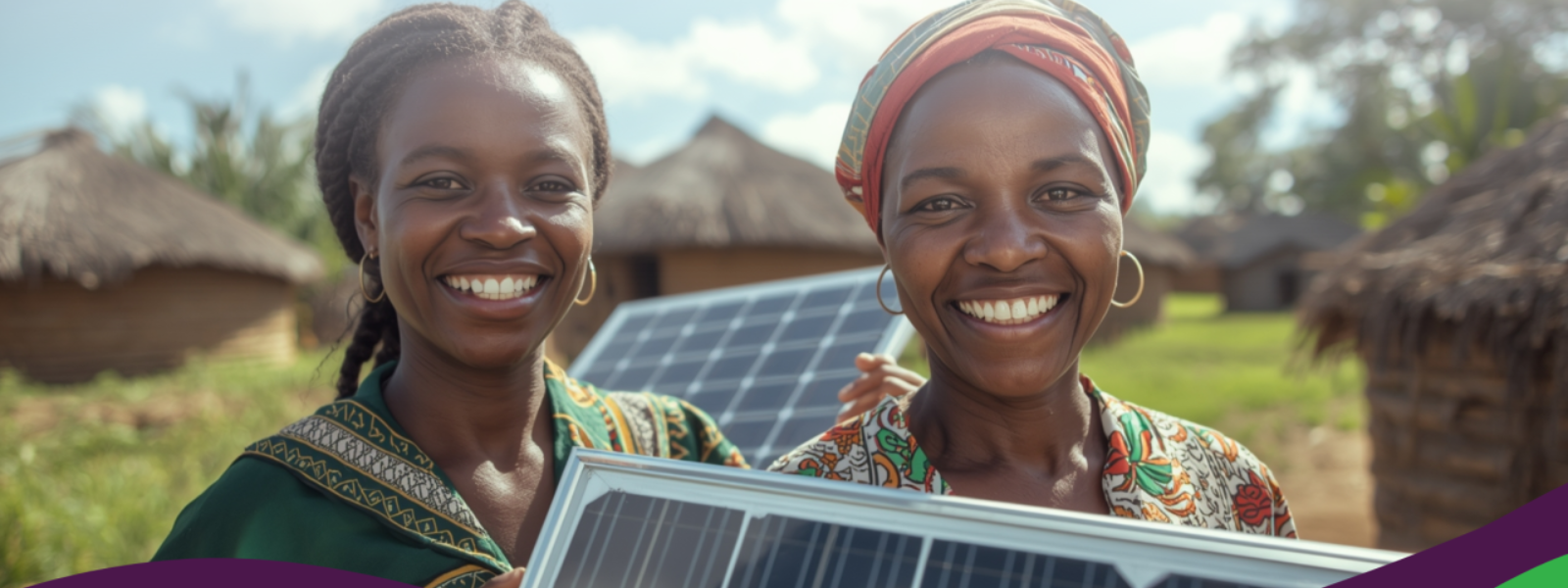
WEN-Africa | How Clean Energy Can Empower Women in Rural Communities?
In most rural households across Sub-Saharan Africa, women are responsible for gathering fuel, preparing food, and managing domestic activities that depend on energy. The World Health Organization (WHO, 2022) estimates that nearly 400,000 premature deaths occur each year in the region due to indoor air pollution from traditional cooking fuels such as wood, charcoal, and kerosene. These same activities account for thousands of hours of lost productivity and prevent women from participating in income-generating work or vocational training. With ESMAP’s continued engagement, we are driving a just and inclusive energy future where gender is at the forefront.
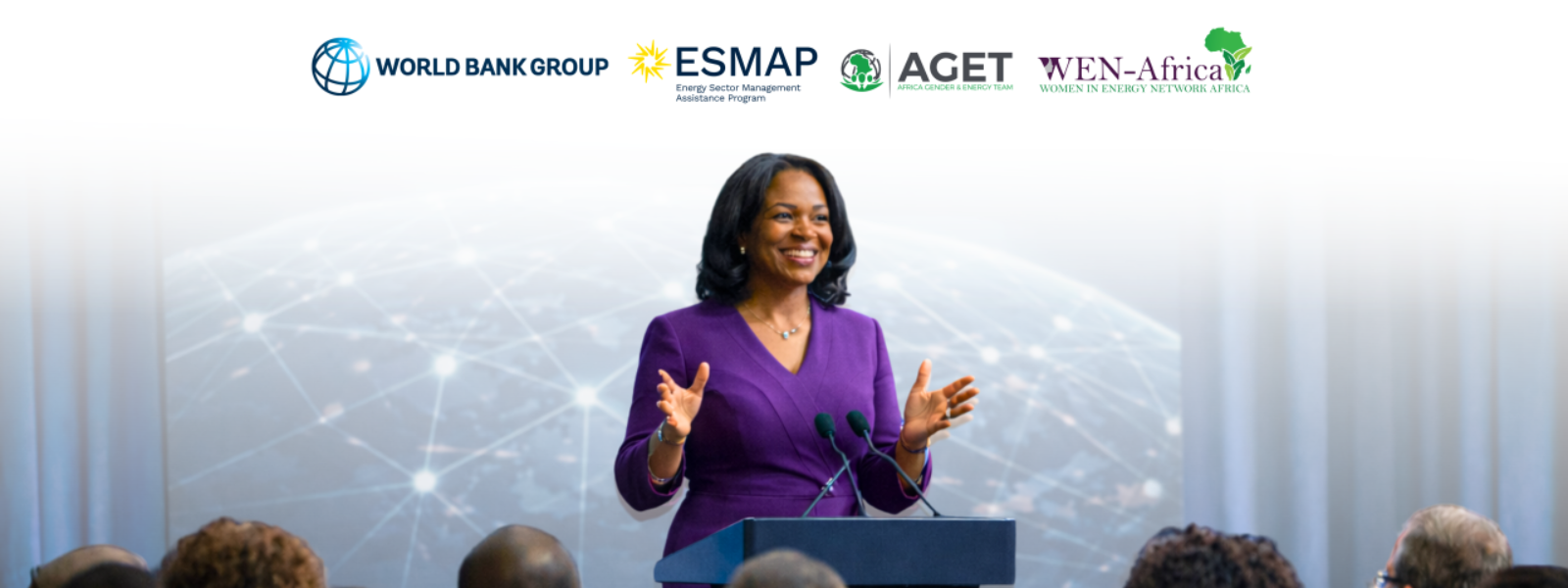
Beyond Representation - Building Leadership Pipelines for Women in Energy Network
Many institutions can now report improved representation of women in entry and mid-level roles. That progress matters. However, representation is not the same as leadership, and the distinction has operational consequences. WEN-Africa’s position is straightforward: if gender inclusion is to strengthen sector performance, it must be designed as a leadership pipeline problem, not only a recruitment problem. From representation to leadership. From initiatives to systems. And, from intent to institutional practice. With ESMAP’s continued engagement, these initiatives are set to scale across Africa, driving a just and inclusive energy future where gender is at the forefront.

Infrastructure that Works for Women
ESMAP is driving transformative change by making energy access inclusive and gender-responsive. Through its clean-cooking programs, ESMAP is helping millions of women move away from harmful, time-consuming practices like cooking with firewood toward modern, affordable solutions that improve health, save time, and create economic opportunities. For example, in India and across Africa, ESMAP-supported initiatives have enabled women-run energy enterprises to distribute clean stoves, reducing indoor air pollution and freeing up hours for education and income-generating activities to create jobs. These efforts don’t stop at household benefits—they also empower women as leaders in the energy transition through regional alliances like WePOWER, RENEW MENA, and WEN-Africa, which mentor young professionals and open pathways into technical and leadership roles. Between January 2024 and November 2025, these networks launched over 7,000 initiatives, reaching more than 95,000 girls and women.
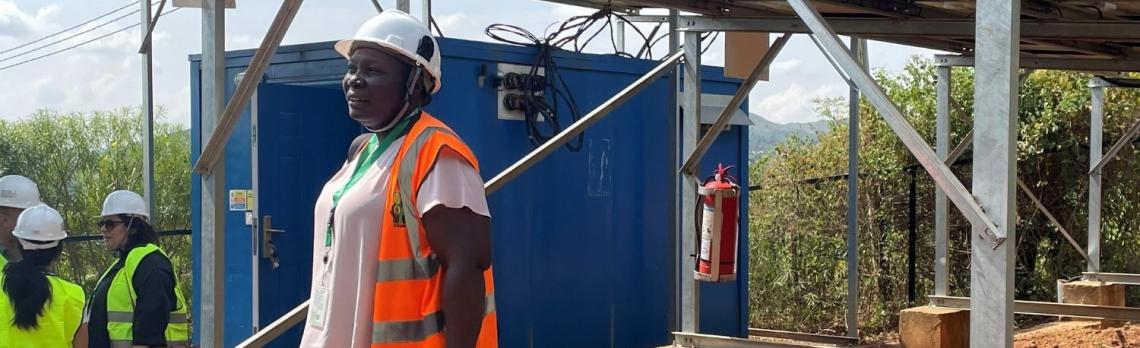
A Brighter Path: Women’s Fight for Safe Energy Access
Women’s safety in energy projects is often overlooked—but it is critical. This latest blog explores how women face risks of gender-based violence both as workers and consumers when infrastructure and workplace policies fail to consider their needs. ESMAP is addressing these challenges through its Energy Brief, which outlines practical solutions—from safer infrastructure and workplace reforms to community safeguards. Success stories from Ethiopia and the Democratic Republic of Congo show how these measures are creating safer, more inclusive energy projects.
VIDEO
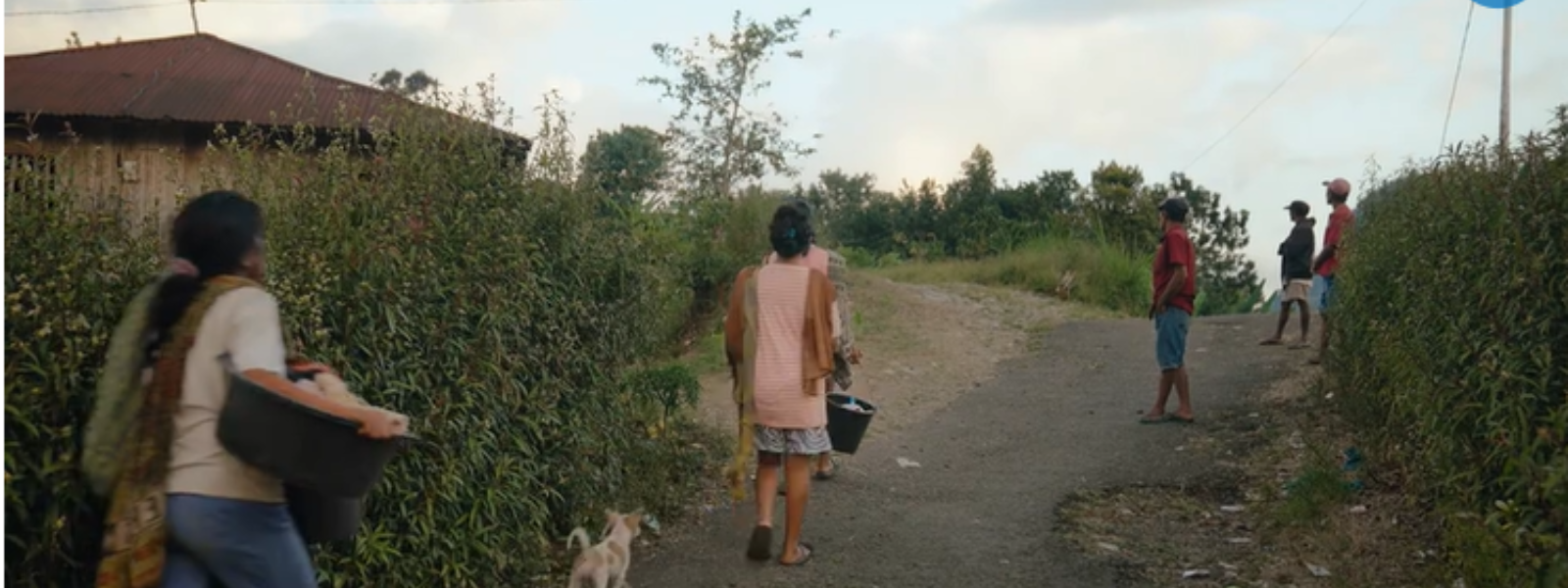
Internship Program - Pamir Energy Company, Tajikistan
When Pamir Energy opened for business, women made up just 4% of the work force. Hear from the interns of the World Bank Group’s Rural Electrification Project (TREP) with ESMAP’s Sustainable Renewables Risk Mitigation Imitative (SRMI) assistance.
PUBLICATIONS
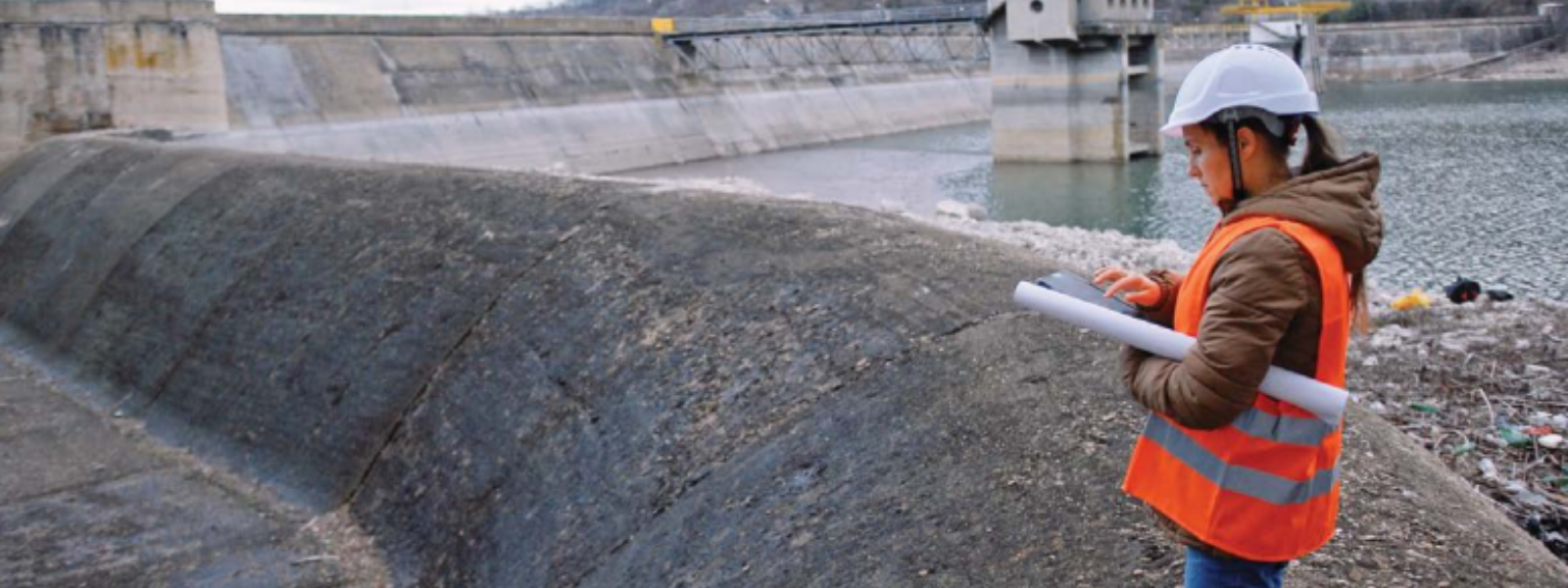
Violence Against Women & Girls | Energy Brief
Energy is essential for economic growth and improving lives. However, projects can unintentionally increase the danger of violence against women and girls if gender-specific risks are ignored. This resource guide produced by ESMAP offers concrete help in designing energy projects such that they help to prevent such violence and empower women.
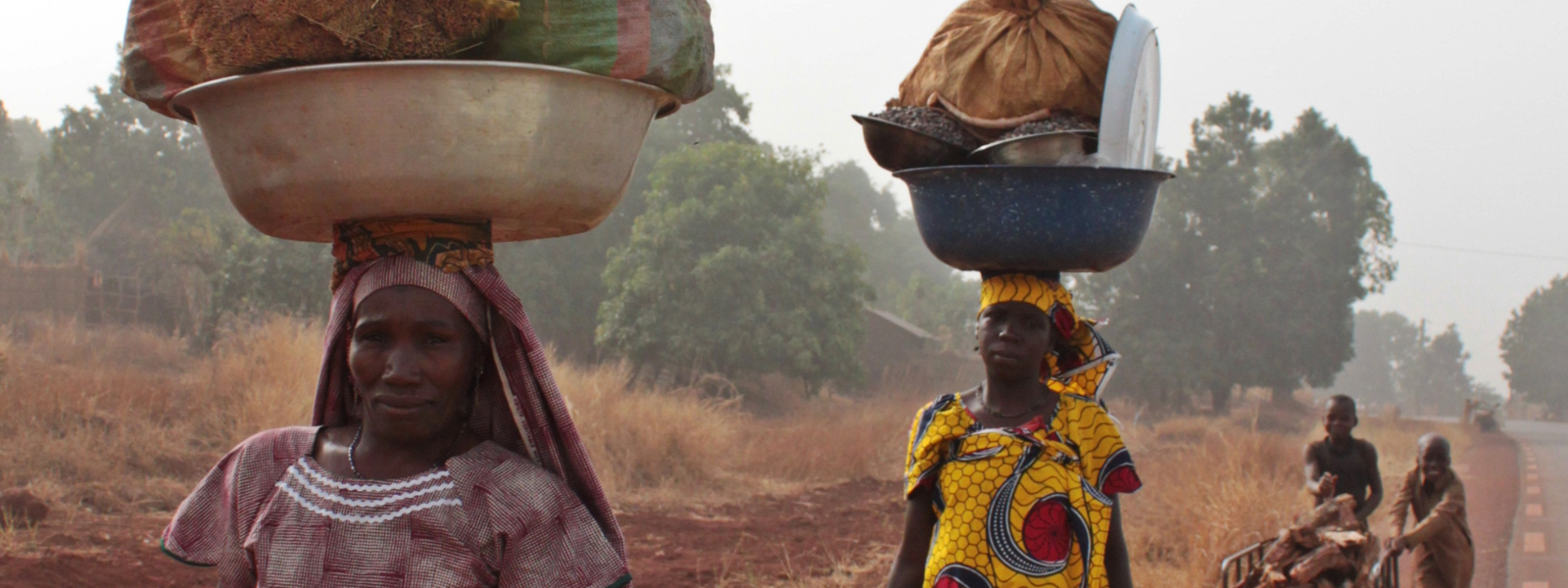
Gender, Social Inclusion, and Energy Access in the Horn of Africa Borderlands: A Vantage Point
This assessment examines gender and social inclusion gaps in access to clean and modern energy in Horn of Africa borderlands, focusing on Djibouti, Eritrea, Ethiopia, Kenya, Somalia, and Sudan. It analyzes the differing constraints faced by women, girls, men, and boys, as well as the potential benefits of more equitable energy access in fragile contexts. Supported by ESMAP and embedded within World Bank Group operations, the study contributed to SDG7 and broader climate, inclusion, and regional integration goals, and was shared as a global knowledge product to inform similar efforts in other regions.
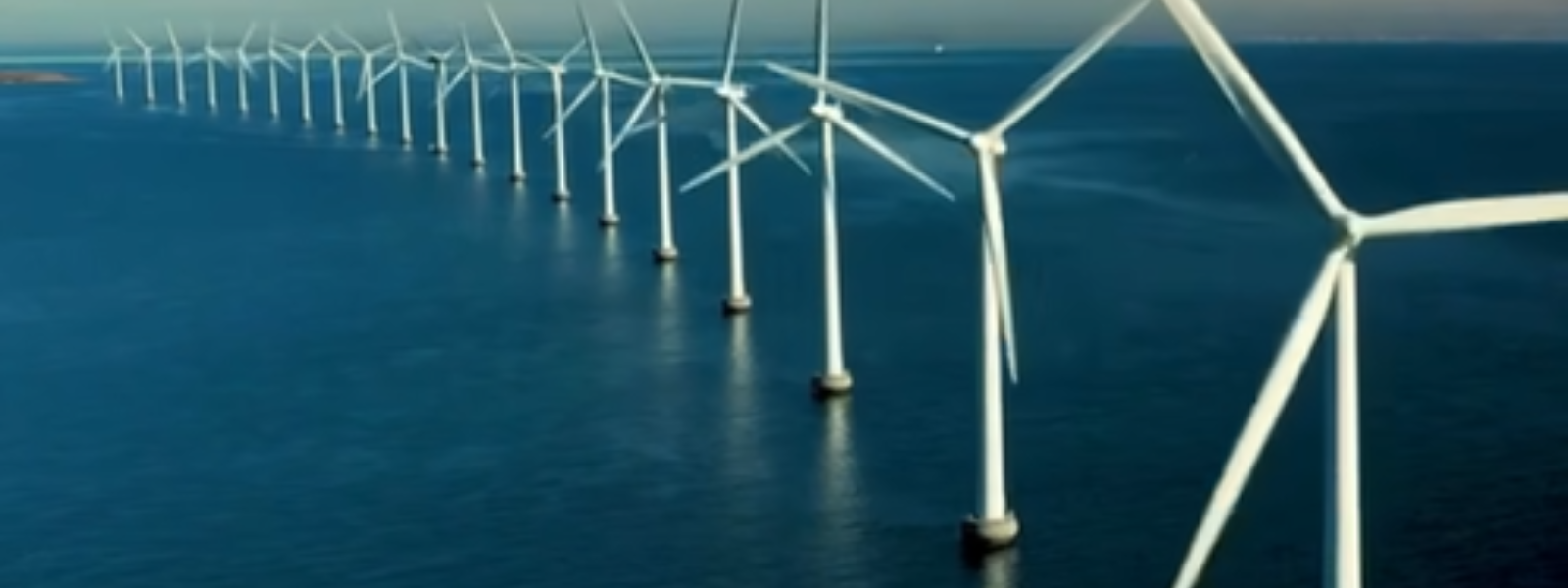
Making Offshore Wind Work | Key Factors for Successful Development of Offshore Wind in Emerging Markets
This report discusses a strategy to support diversity and include more women in the sector via skills development. The guide further helps countries with planning and inclusion of offshore wind at scale in their energy mix. The guide will assist governments with favorable offshore wind resources in establishing the policies, processes, and regulatory frameworks that best suit their local, national, and regional contexts. The first edition of this report, published in 2021, was a seminal work by the World Bank Group’s Offshore Wind Development Program, jointly led by ESMAP and International Finance Corporation (IFC), the private sector lending arm of the World Bank Group, to accelerate the uptake of offshore wind in emerging markets.
ESMAP Annual Report 2025
ESMAP’s work on gender equality is a cross-cutting, evidence-based approach that integrates gender equality into energy access, clean cooking, policy reform, and investment design to improve development outcomes and support a just energy transition.
EVENTS
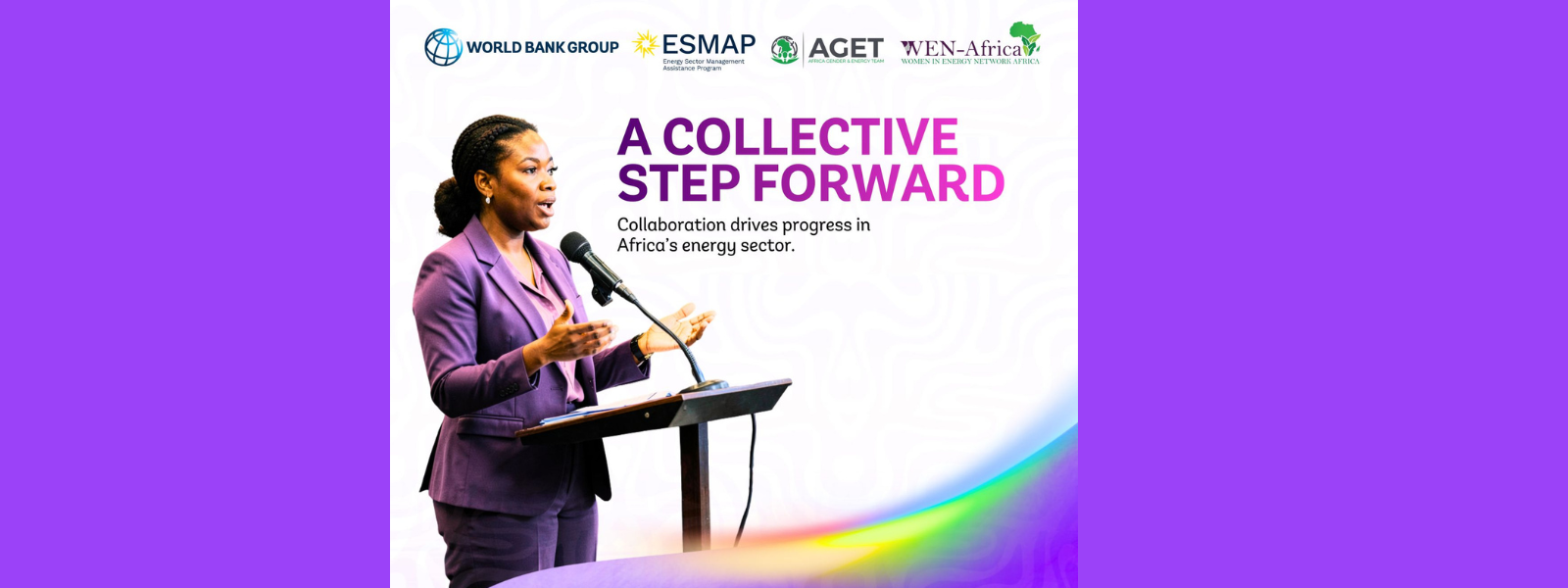
Role of Networks: Togo (WEN-Africa) – March 2026
At the Togo WEN-Africa conference, women leaders and professionals shifted the conversation from ideas to action, demonstrating how STEM expertise can drive real solutions in the energy sector. Participants explored practical applications ranging from grid modernization to renewable energy integration and improved energy access, underscoring the importance of turning knowledge into impact. A key takeaway was that technical skills alone are not enough—structured mentorship, cross institutional collaboration, and hands-on project experience are essential to building confidence, leadership, and long-term success. Through platforms like this, WENAfrica continues to empower women to move beyond theory and play a central role in delivering measurable energy outcomes. Thanks to ESMAP’s support, WEN Africa has been able to take shape as a regional initiative within the World Bank Group. Through financing, technical leadership, and convening power, ESMAP underpins WEN Africa’s work to advance women’s employment and leadership in the energy sector across Africa.
>> Follow the Conversation on LinkedIn
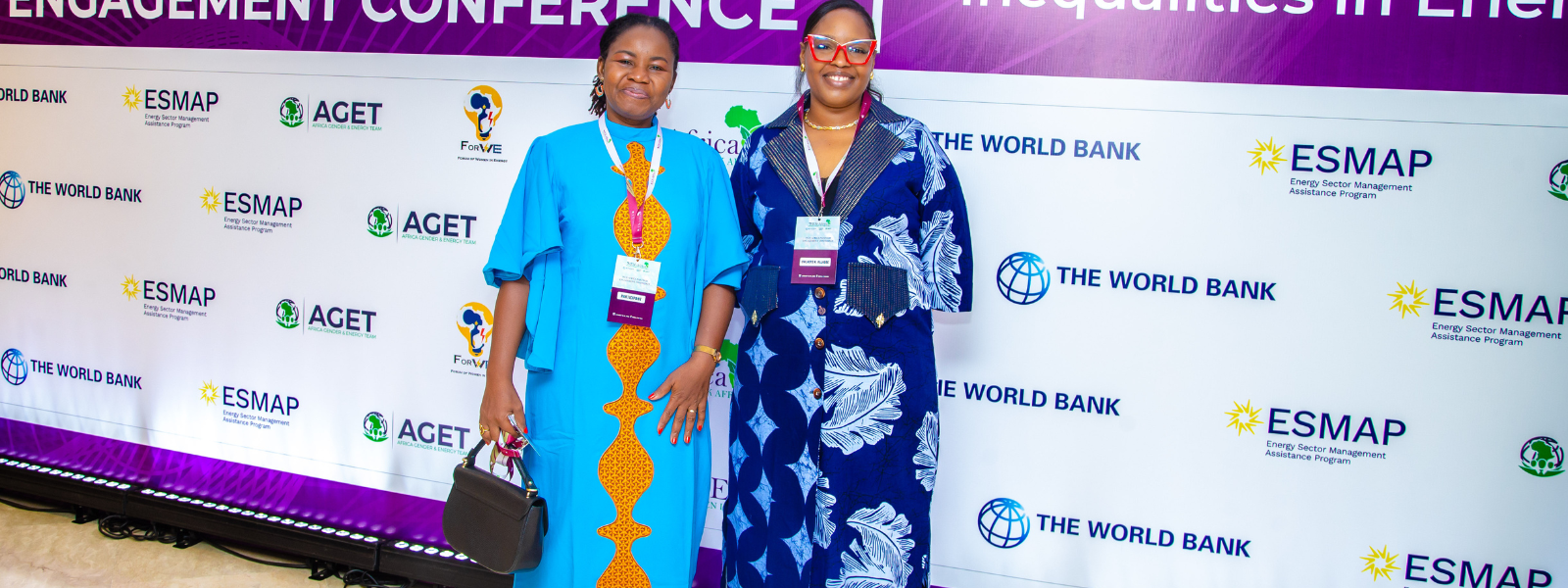
WEN-Africa Goes West: Third Annual Conference Opens New Chapter in Lomé – February 2026
The conference was convened to advance WEN Africa’s core objective of moving from high-level commitments on gender inclusion to concrete, measurable operational action across Africa’s energy institutions, marking a major step in the network’s expansion into West Africa. The event was hosted in collaboration with the West African Power Pool (WAPP), a prospective future strategic partner. The conference brought together key institutional and strategic partners—including its 24 member utilities and agencies, as well as major partners such as WAPP, the East Africa Power Pool (EAPP), and the French Development Agency (AFD)—all of whom play central roles in shaping regional energy policy, financing, and implementation. With ESMAP’s continued engagement, these initiatives are set to scale across Africa, driving a just and inclusive energy future where gender is at the forefront.
>> Learn more | Read the Article
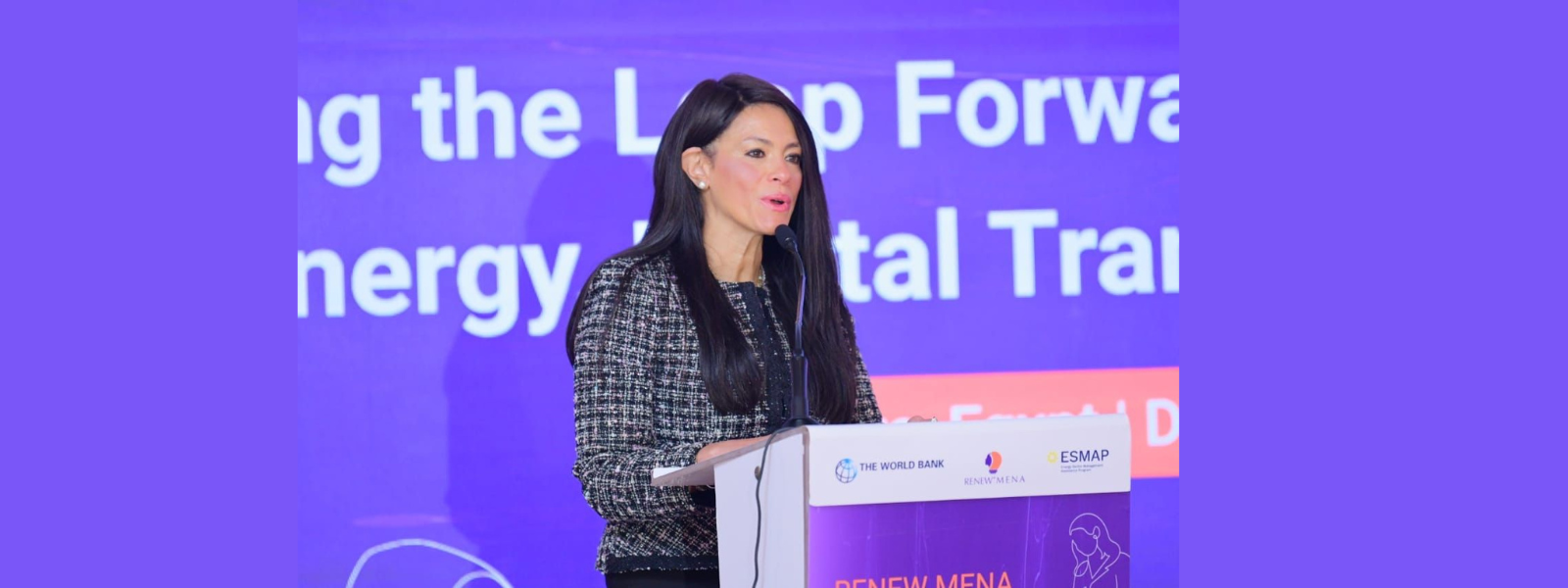
Conference: Regional Network in Energy for Women in the Middle East and North Africa (RENEW MENA): Powering the Leap Forward: Women at the Nexus of Energy, Digital Transformation, and Jobs - December 2025
From its inception, ESMAP stood behind RENEW MENA as a catalyst for change. At this regional conference, its support went far beyond funding—it shaped the conversation. By backing technical expertise and convening leaders, ESMAP ensured the dialogue moved past technology alone to tackle institutional readiness, data quality, and digital skills, all essential for women’s leadership in the energy transition. This commitment amplified efforts in education, mentorship, and partnerships, positioning women not just as participants but as innovators in fields like AI, cybersecurity, and data management. With ESMAP’s continued engagement, these initiatives are set to scale across MENA, driving a just and inclusive digital energy future.
>> Read the Recap | Read about Day One’s Reflection | Watch Anna Bjerde’s Video | Read the Article by H.E. Dr. Rania A. Al-Mashat Minister of Planning, Economic Development and International Cooperation, Egypt (Arabic) | Watch Video by RENEW MENA Leader (Arabic)
In the Hot Seat: What Leadership Looks Like for Women in Energy and Climate – November 2025
Organized by ESMAP, Iceland Ministry of Foreign Affairs, Gender and Energy Compact, this fireside chat brought together leaders from government, private sector and civil society to discuss a chronic dilemma and fundamental question: Leadership in energy and climate has historically been male-dominated—Why, and how can redefining leadership to embrace women’s perspectives transform the sector? Key themes discussed were: 1) Breaking Barriers: Addressing gender bias, stereotypes, and structural obstacles in energy and climate sectors; 2) Building Partnerships: Strengthening networks between civil society, government, and private sector for collective impact; 3) Innovative Solutions: Showcasing successful models for women’s leadership, mentorship, and capacity building; and 4) Accountability & Data: The importance of gender-disaggregated data and robust monitoring for progress.
>> Learn more

Policy Brief Official Launch - Gender Indicators for Sustainable Energy: A call to Action – July 2025
In the margins of the United Nations HLPF, ESMAP organized a side event at the HLPF 2025 to mark the official launch of the Gender Indicators for Sustainable Energy - A Call to Action Policy Brief, advocating for gender indicators as a fundament for an inclusive, just, and effective energy transition. The session brought together Member States and intergovernmental representatives, gender experts, civil society, and other key stakeholders to mobilize support, drive transformative policy actions, and strengthen commitments to accelerate gender equality in the energy sector.
>> Learn more