Publications
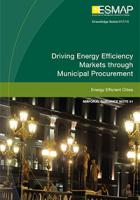
Forward-looking cities today can be champions for energy efficiency, showing other cities and national governments how such measures can save money and drive markets.
And as more cities come on board with their own energy efficiency initiatives, opportunities grow for joint purchasing, strengthening negotiating power to demand lower cost and better quality products. Two strategies have been particularly effective in this area—energy efficient purchasing initiatives and energy savings performance contracts.
This guidance note outlines the opportunities and barriers to adopting these procurement strategies, provides global lessons and examples, and offers step-by-step guidance on how cities can get started with energy efficient purchasing policies.
Singh, Jasneet. 2014. Driving energy efficiency markets through municipal procurement (English). Energy Sector Management Assistance Program (ESMAP) ; Knowledge series 017/14; ESMAP Energy Efficient Cities Initiative Mayoral Guidance Note ; No. 1; Mayoral guidance note ; no. 1. Energy efficient cities. Washington, DC: World Bank Group. http://documents.worldbank.org/curated/en/532071468326412153/Driving-energy-efficiency-markets-through-municipal-procurement