Report supports the World Bank clean air initiative, highlighting residential energy’s impact on air quality and challenges of scaling clean cooking and heating for over two billion people globally.
The report highlights the severe impact of air pollution on health and economies and uses scenario modeling to demonstrate that integrated decarbonization and air quality policies can significantly improve air quality by 2040.
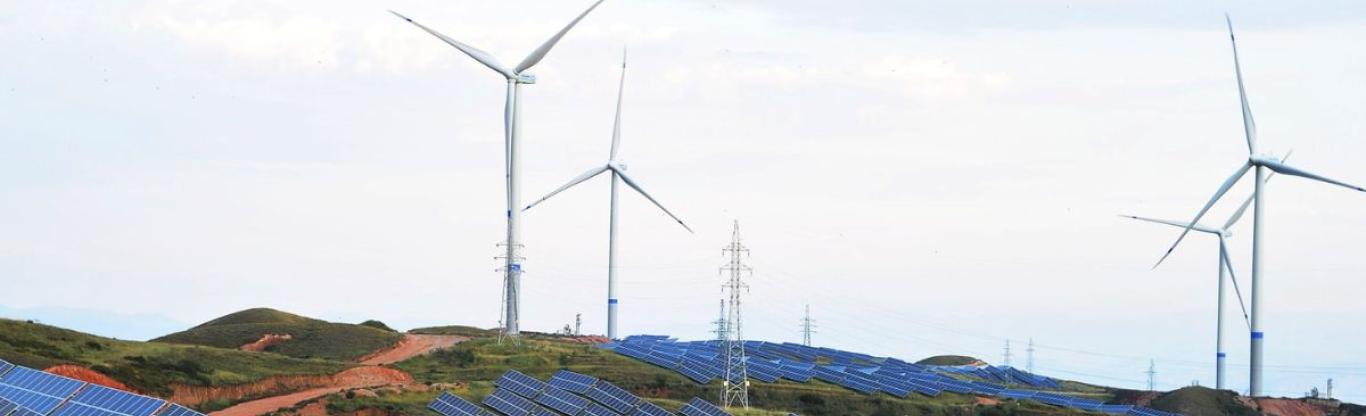
Renewable energy sources accounted for nearly 30% of global electricity generation in 2022, with non-hydropower renewables increasing seven-fold over the past decade to enhance energy security and affordability.
The objective of the study is to provide a comprehensive overview and assessment of the technologies, policies, and business models that may support the electrification of Jordan’s public transport sector.