
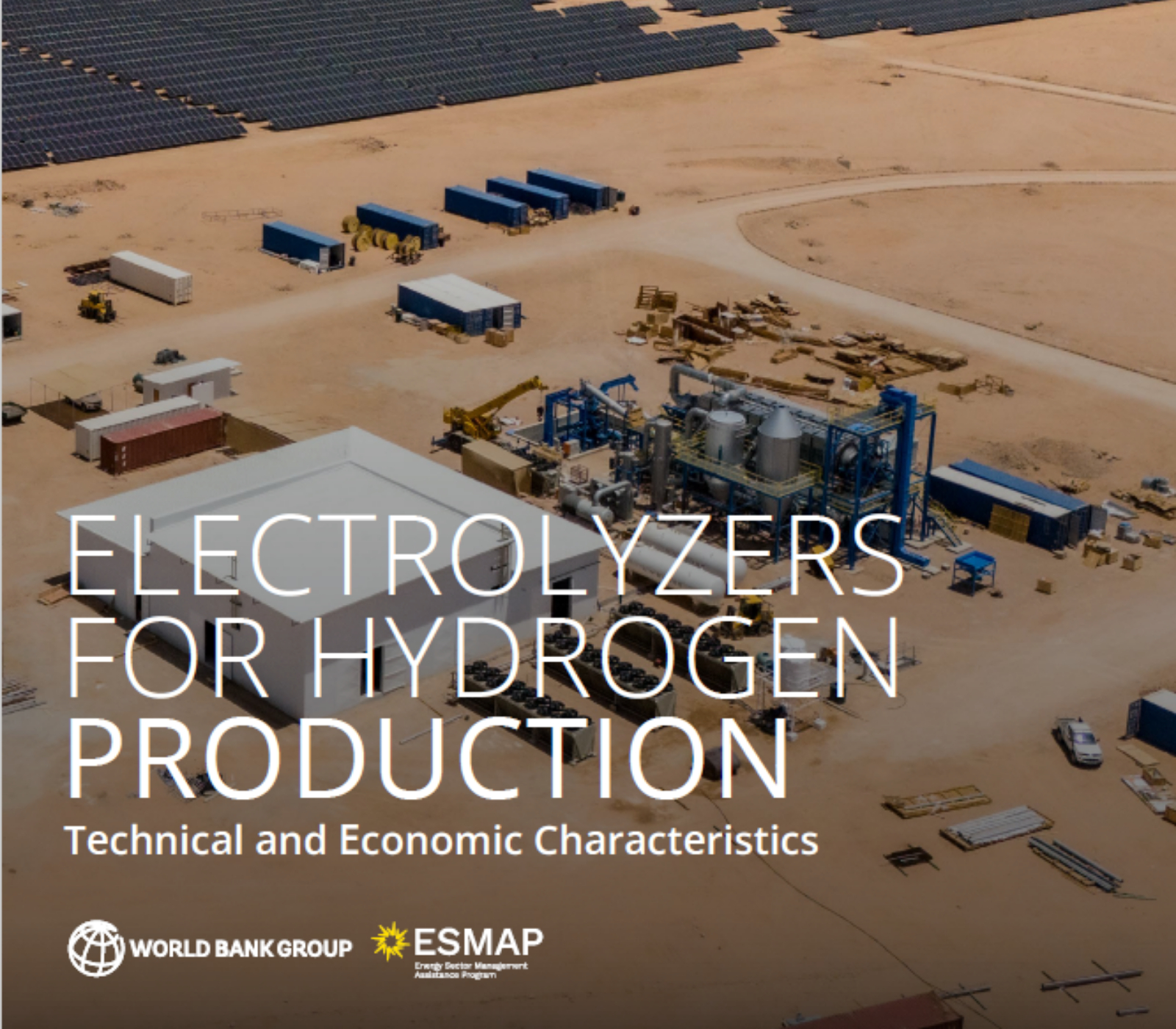
Electrolyzers for Hydrogen Production: Technical and Economic Characteristics
This new ESMAP report was developed under the 10 GW Lighthouse Initiative as a practical guide for governments, investors, and project developers to accelerate large-scale green hydrogen deployment in emerging markets. Hydrogen offers an opportunity to harness abundant renewable resources to support industrial transformation, enhance energy security, and drive job creation. The report offers clear guidance on global electrolyzer market trends, cost structures and future cost trajectories, supply-chain and commercial considerations, risk allocation, and how to select the most suitable electrolyzer technologies for specific project and policy contexts.

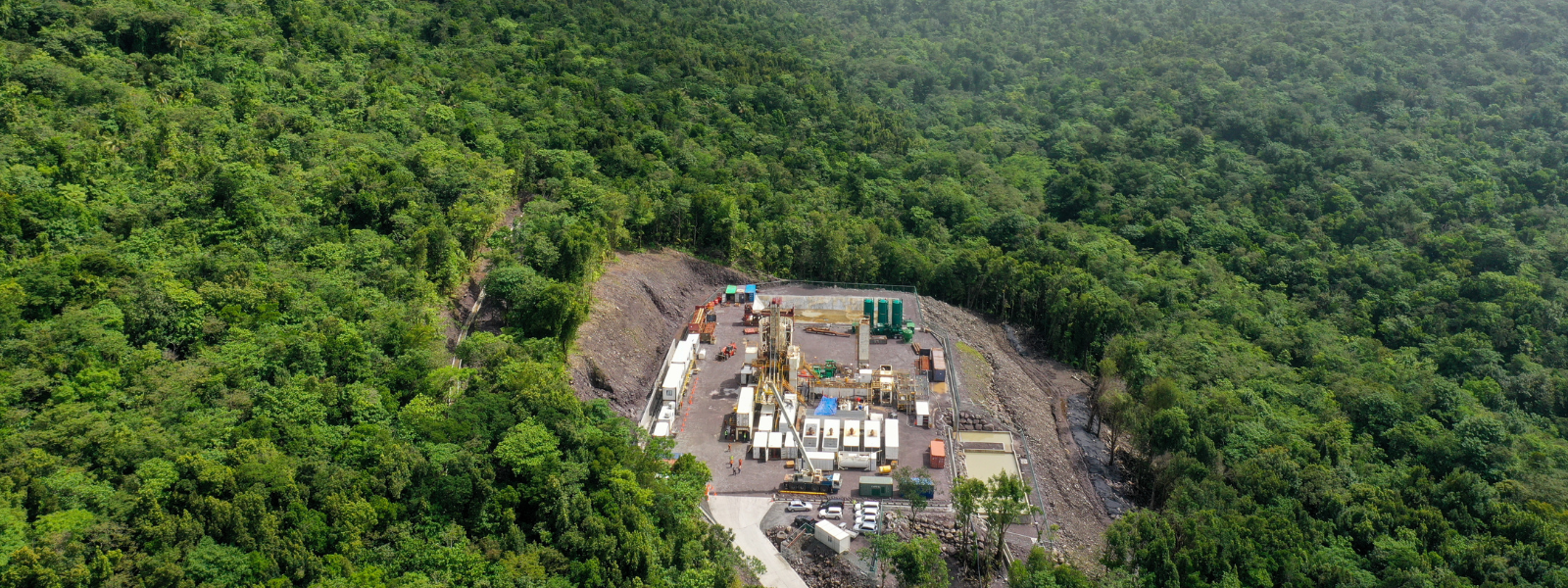
Dominica Geothermal Risk Mitigation II Project
The World Bank Group Board’s approval of the GEF Additional Financing and Guarantee for the Dominica Geothermal Risk Mitigation II Project is a major milestone for energy security and clean transition, raising domestic renewable electricity from 21 to 85 percent, strengthening grid resilience, cutting fuel imports and costs, and supporting climate goals. As the first geothermal project in the Caribbean in over two decades, it also serves as a regional demonstration.
This project builds directly on ESMAP’s pivotal upstream contributions—including early analytical work, capacity building, and support for legal and contractual frameworks as well as project preparation. These contributions made the original DGRM I project bankable and facilitated the mobilization of US$10 million from the Clean Technology Fund for drilling and resource risk reduction. That groundwork created the enabling environment for DGRM II.
>> Learn more


Powering Futures, Transforming Jobs in Eastern Indonesia
Indonesia is on the cusp of achieving universal electricity access, yet pockets of remote villages remain beyond the grid’s reach. The push to connect these last-mile regions is transforming what was once a distant hope into an attainable future, mirroring the progress already seen in much of the country. ESMAP’s technical assistance and financing have helped strengthen electrification and generation planning, expand access in underserved areas, and ensure that investments remain affordable, reliable, and aligned with Indonesia’s long-term energy and climate goals.

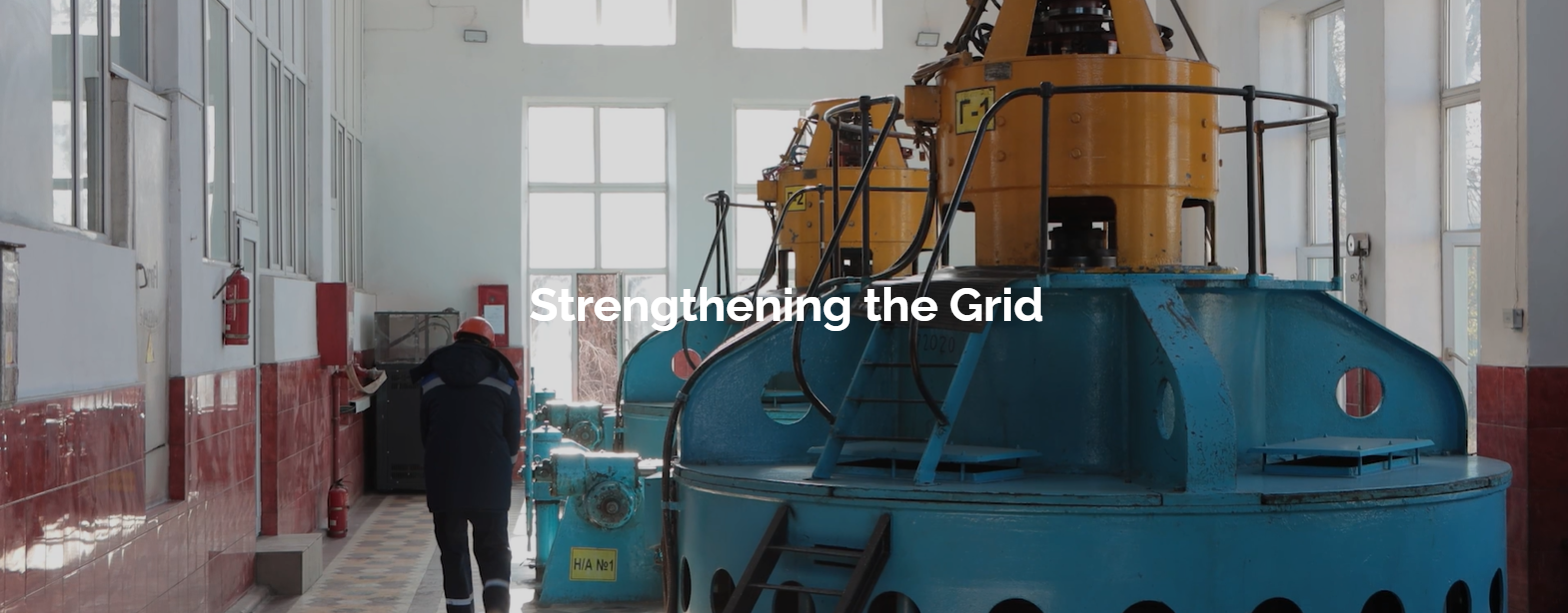
Powering an Energy-Secure Future Across Central Asia
This new immersive story highlights how reliable and sustainable electricity is transforming daily lives and fueling business growth across Central Asia. ESMAP’s expertise has been central to this World Bank Group effort, underpinning the foundational analytical and technical work that has enabled several of Central Asia’s priority energy investments. This includes essential contributions to regional power trade planning, renewable energy auctions, grid planning for VRE integration, and renewable development.
>> Explore the Immersive Story
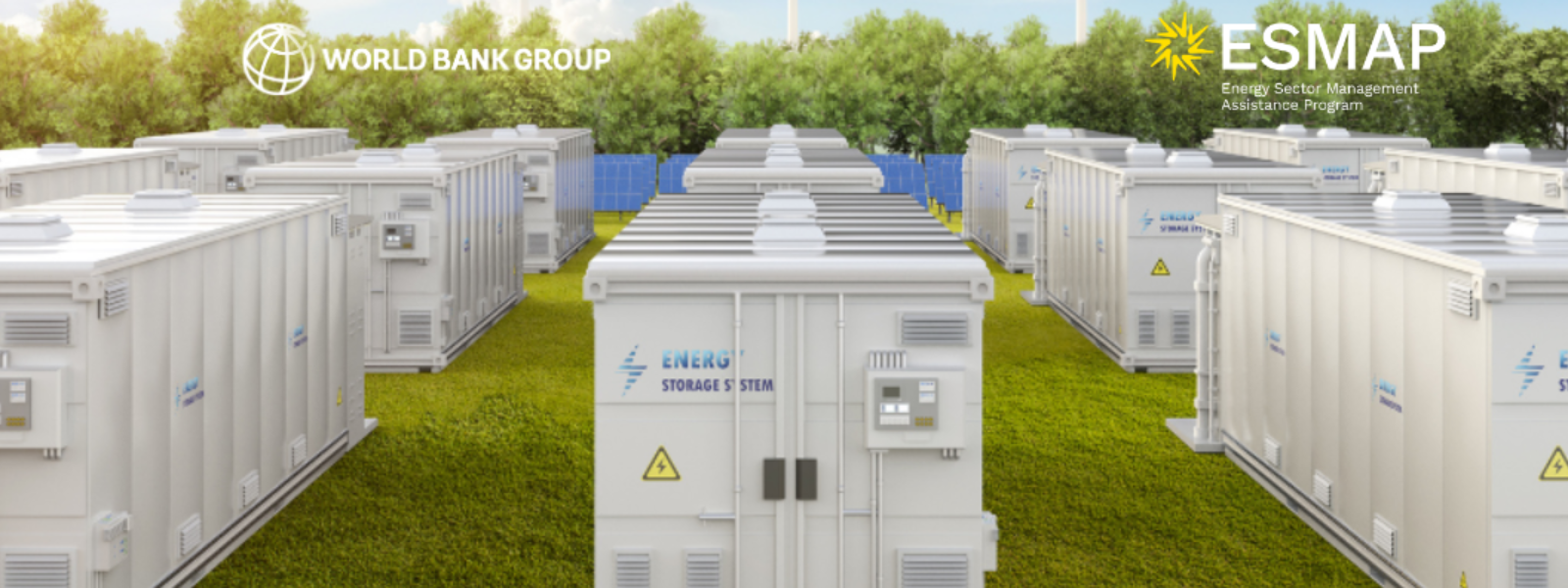
ESMAP’s Energy Storage Partnership (ESP)
The Energy Storage Partnership is celebrating a major milestone—reaching 60 partners worldwide. Its newest member, The Energy and Resources Institute (TERI), joins a growing network advancing energy storage innovation in developing countries. Since launching in 2019 under ESMAP, ESP has more than doubled its partners and expanded training, knowledge sharing, and technical cooperation. With rapidly falling battery storage costs, ESP is helping developing and middle-income countries adopt cleaner, cost‑effective storage solutions. Recent activities, including its first in‑person energy storage training, highlight ESP’s growing impact and global collaboration.
>> Learn more

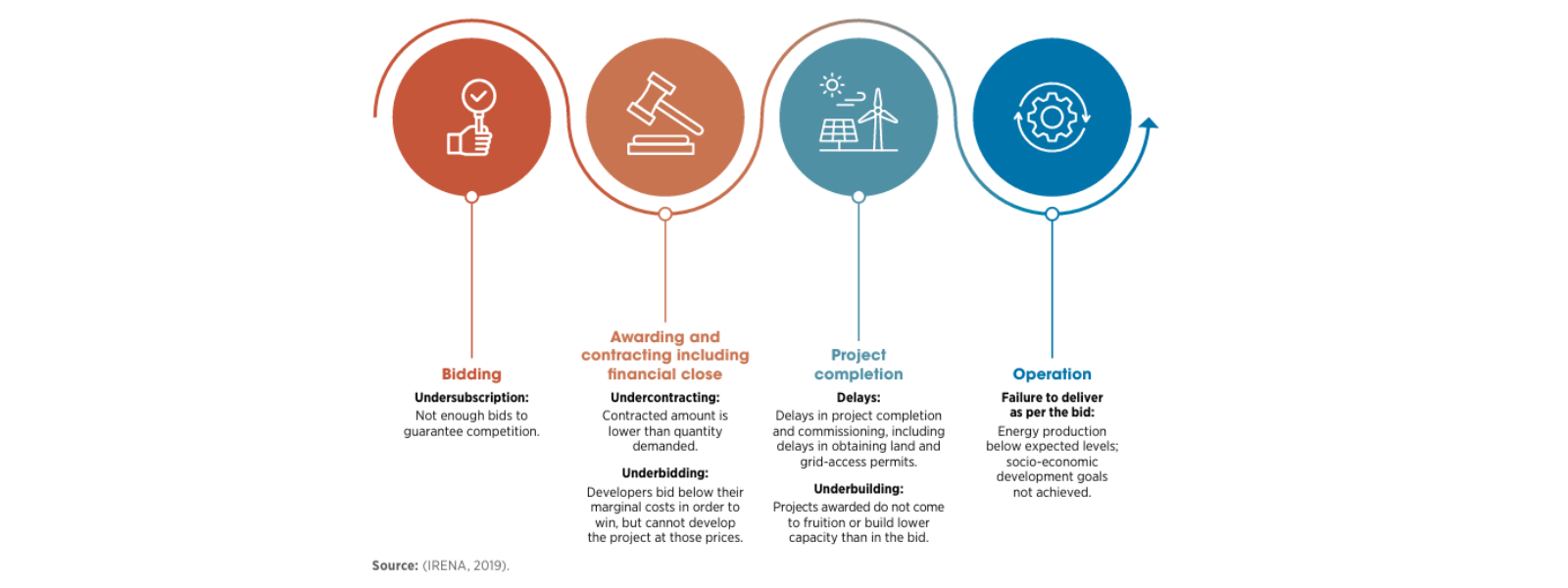
REPORT | Renewable Energy Auctions: Design for Risk Allocation
This report examines how renewable energy auctions—now the leading global procurement method—can be designed to balance low prices with broader development goals, reduced macroeconomic risks, and stronger local value creation. It highlights how traditional auction structures often rely on sovereign guarantees, hard‑currency PPAs, and imported equipment, which can increase debt and limit sustainable industry growth in developing countries. Developed by IRENA with contributions from ESMAP’s Sustainable Renewables Risk Mitigation Initiative (SRMI) partners.
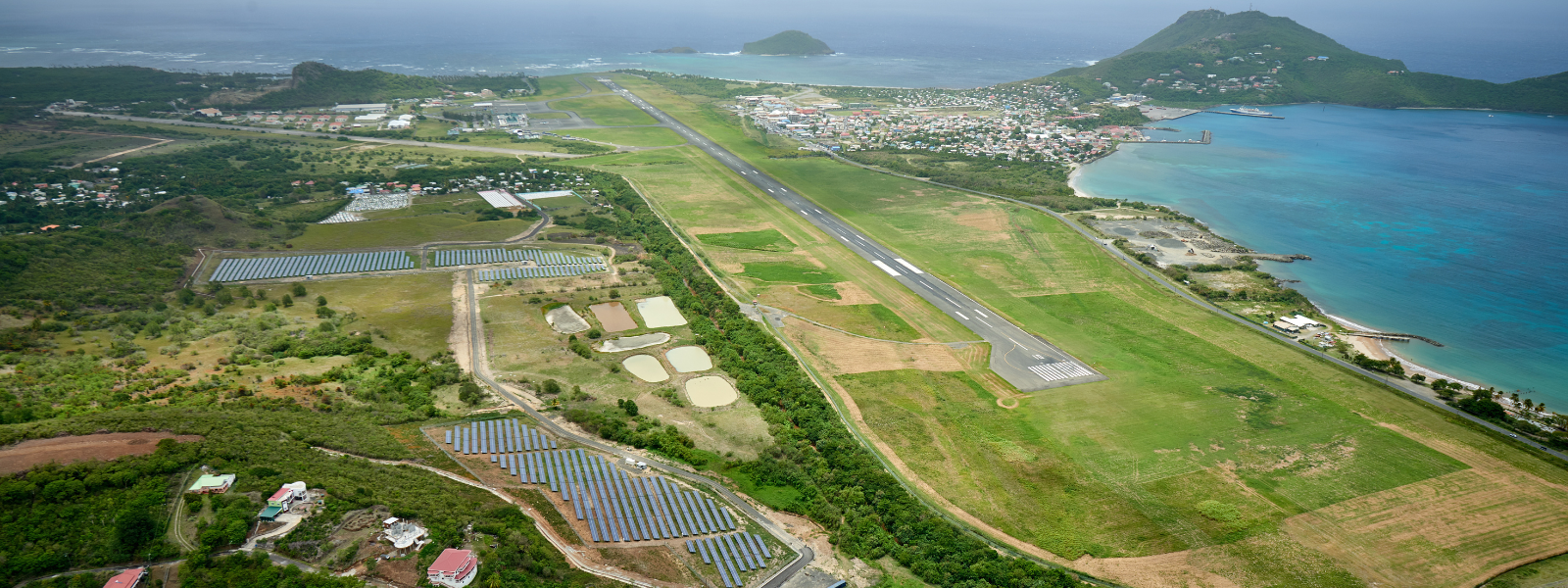
REPORT | Regional First: Caribbean Countries Come Together to Scale-Up Private Sector Financing for Renewable Energy
By joining forces, countries can achieve development goals they couldn’t achieve alone. In a regional first, the World Bank Group, together with the Eastern Caribbean Central Bank, and with funding from ESMAP, helped Grenada, Saint Lucia, and Saint Vincent and the Grenadines to pool their renewable energy projects to reach the scale developers need. Expansion to more countries is underway.
>> Download the Two-Pager | Follow the Conversation on LinkedIn
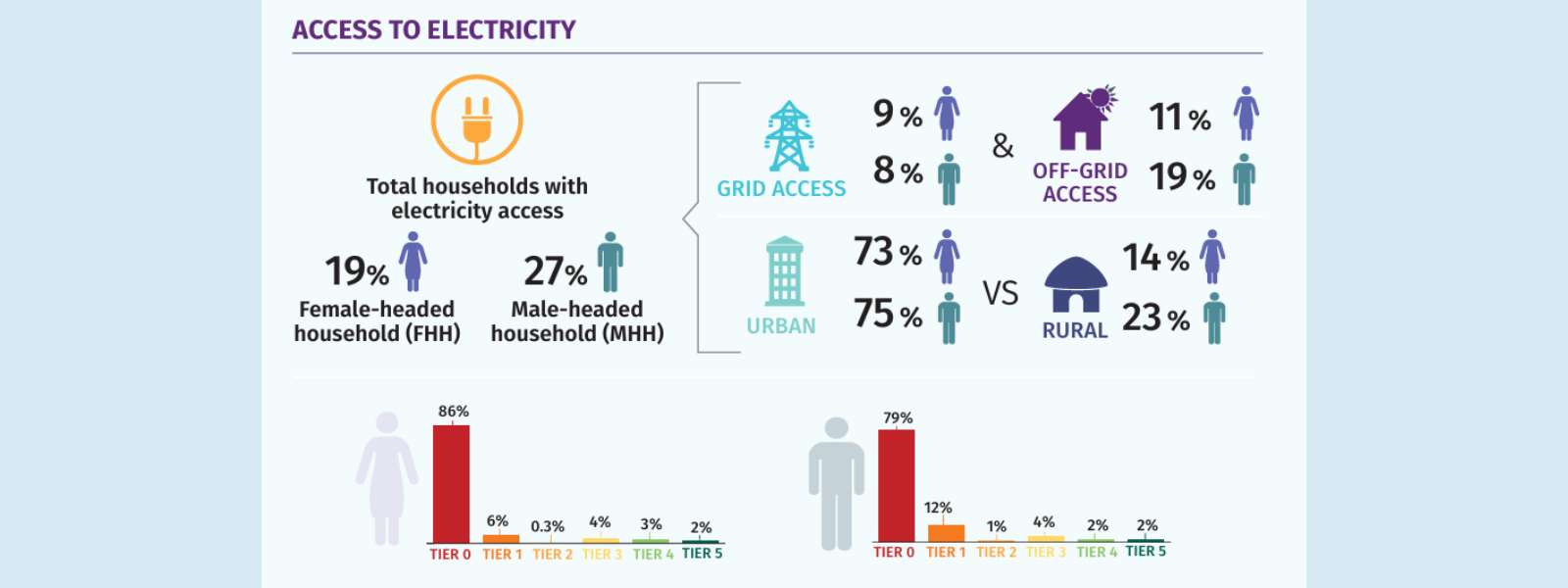
REPORT | Burundi: Beyond Connections | Energy Access Diagnostic Report Based on the Multi-Tier Framework
The report aims to highlight the critical role that energy access plays in advancing human development, economic growth, and social well‑being, in line with the commitments of Sustainable Development Goal (SDG) 7.1. It underscores how achieving universal access to affordable, reliable, and modern energy services is foundational for progress across sectors such as health, education, water supply, industry, and climate resilience. A key objective of the report is to introduce and apply the Multi‑Tier Framework (MTF), which offers a more nuanced and accurate way to measure energy access beyond traditional binary indicators. Developed by the World Bank’s Energy Sector Management Assistance Program (ESMAP), the MTF strengthens global tracking of SDG 7.1 by providing deeper insights into the quality, reliability, and usability of energy services. Through this approach, the report seeks to support better policy design, targeted investments, and more meaningful energy access outcomes.

Advancing Energy Access and Clean Cooking Solutions
During the High-Level Dialogue at the International Energy Agencia (IEA) Ministerial Meeting in Paris, World Bank Group Infrastructure Vice President Valerie Levkov shared a message drawing on ESMAP’s work through the Clean Cooking Fund. “The World Bank Group launched the Clean Cooking Fund within ESMAP in 2019,” she said. “So, we have some experience and some lessons learned. We have a current portfolio US$340 million, targeting 63 million people.” A Summit on Clean Cooking in Africa will be held in Nairobi on July 9-10, 2026, which was announced during the High-Level Dialogue.
Clean Firm Power Latin America (LATAM) Summit
At the inaugural Clean Firm Power LATAM Summit, discussions reflected on how providing electricity that is both low or zero carbon and reliably available on demand requires interconnected approaches that put reliability, digital growth, and competitiveness center-stage. As highlighted in the session moderated by Anders Pedersen, Senior Energy Specialist at ESMAP, growing digitalization is driving demand for more reliable power, stronger long-term planning, and a stable investment climate. The roundtable led by Gabriela Elizondo Azuela, World Bank Group Energy Practice Manager for Latin America and the Caribbean, underscored how government decisions on energy policy, market design, and regulation directly influence economic competitiveness, system resilience, and countries’ capacity to support digital growth.
>> Follow the Conversation on LinkedIn

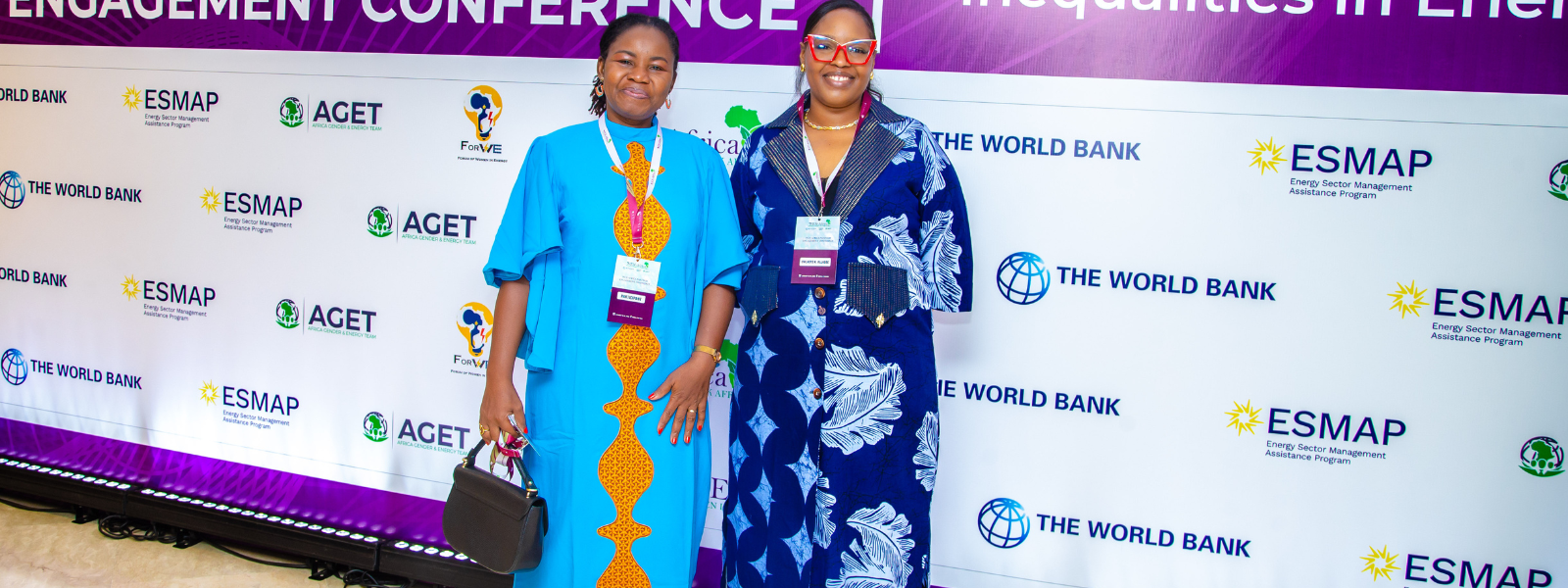
WEN-Africa Goes West: Third Annual Conference Opens New Chapter in Lomé
The conference was convened to advance WEN Africa’s core objective of moving from high-level commitments on gender inclusion to concrete, measurable operational action across Africa’s energy institutions, marking a major step in the network’s expansion into West Africa. The event was hosted in collaboration with the West African Power Pool (WAPP), a prospective future strategic partner. The conference brought together key institutional and strategic partners—including its 24 member utilities and agencies, as well as major partners such as WAPP, the East Africa Power Pool (EAPP), and the French Development Agency (AFD)—all of whom play central roles in shaping regional energy policy, financing, and implementation. With ESMAP’s continued engagement, these initiatives are set to scale across Africa, driving a just and inclusive energy future where gender is at the forefront.
>> Learn more | Read the Article
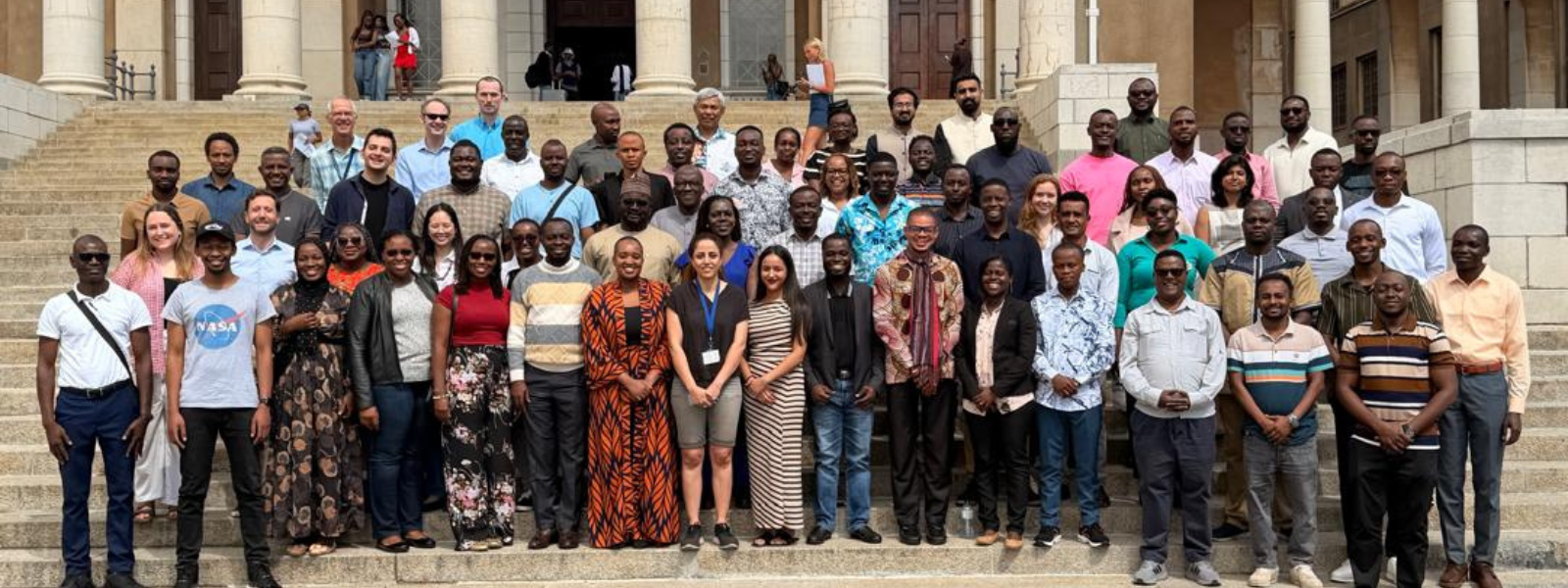
Training | Energy Modelling Platform for Africa (EMP-A) 2026
The Energy Modelling Platform for Africa (EMPA) 2026 recently held its in person training program in Cape Town, bringing together energy planners from across the continent. ESMAP played a central role by co-funding the program and delivering two key training tracks: one on geospatial least-cost electrification modelling using the OpenSource Spatial Electrification Tool (OnSSET), and another on strengthening geospatial data systems for long-term planning. These efforts helped participants develop national case studies and investment-ready electrification pathways, supporting countries as they apply practical, evidence-based tools to expand electricity access. Through EMPA, ESMAP is helping build the data, skills, and institutional capacity needed for countries to advance toward universal access and implement Mission 300 and broader SDG7 goals.
>> Learn more
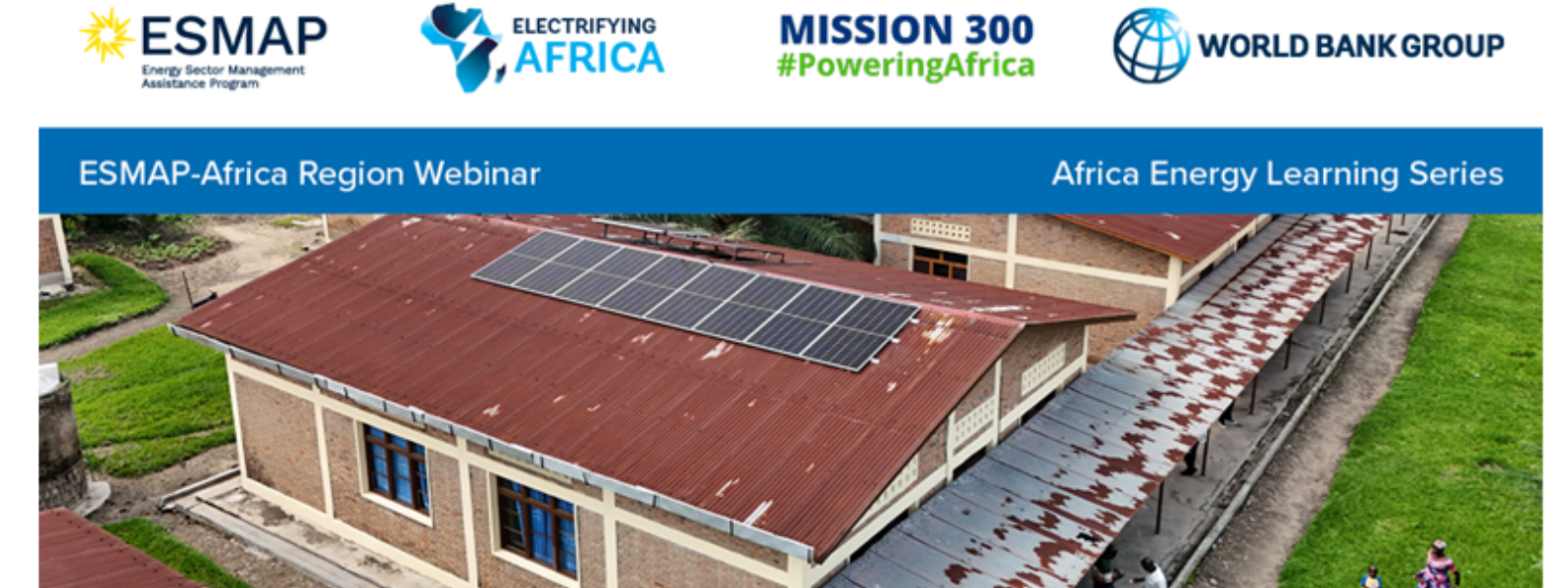
Webinar | SOLEIL: Keeping the Lights and Services On: Designing, Financing, and Governing Maintenance for Public Facilities in Burundi
The session explored Solar Energy in Local Communities (SOLEIL’s) standardized and maintenance approach for public facilities, and how sustainability is being addressed beyond installation. This event is part of the ESMAP-Africa Learning Series Electrifying Africa: Delivering on Mission 300 Faster together. The Electrifying Africa Program, established under ESMAP, is designed to accelerate electrification in Sub Saharan Africa and align SDG to achieve universal electricity access by 2030.
Webinar | From Potential to Projects: Namibia's Experience in Green Industrialization
This joint webinar explored Namibia’s journey toward green industrialization, with a focus on green hydrogen and its derivatives. They also learned about Namibia’s progress, including projects currently under implementation, and gained insights into recent milestones, challenges, and lessons learned. Last, they heard how the World Bank Group and ESMAP are supporting the country’s green industrialization and green hydrogen economy by strengthening the enabling environment, mobilizing financing, creating jobs, and fostering private sector partnerships.
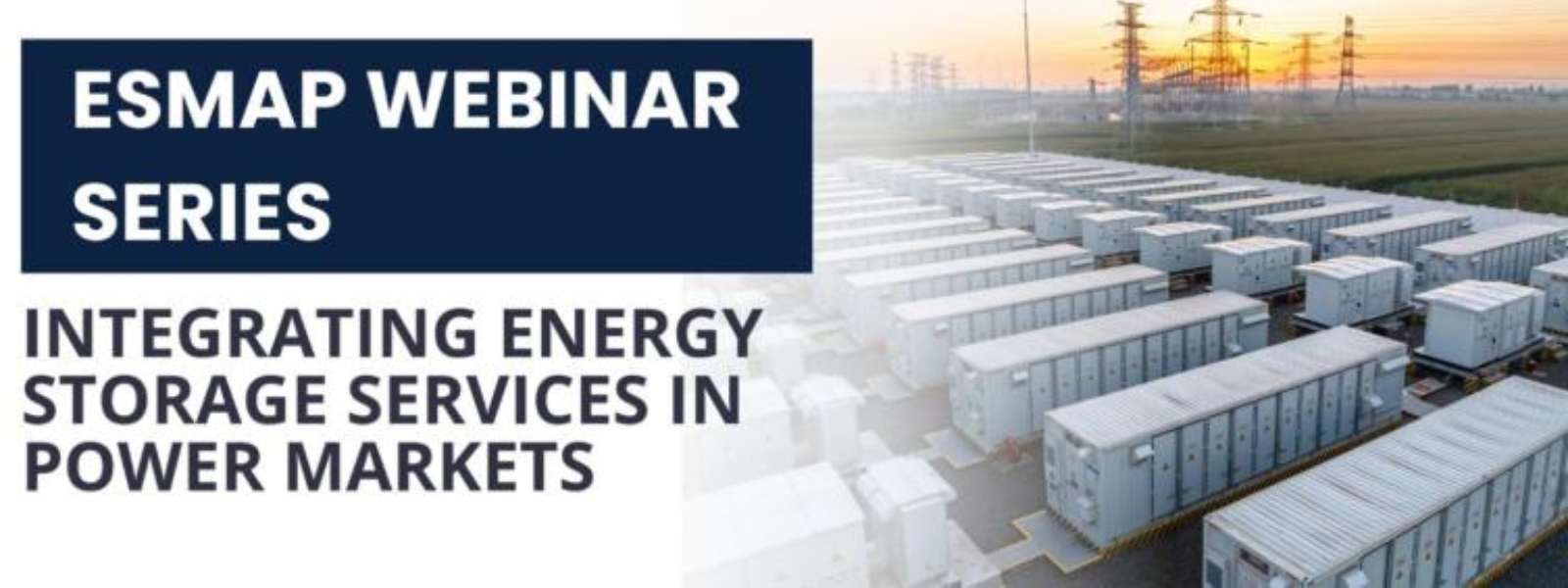
Webinar | Integrating Energy Storage Services in Power Markets
ESMAP’s Energy Storage Academy participants learned key approaches for integrating Battery Energy Storage Systems (BESS) into power system planning, operations, and markets, with insights from regulators and operators such as Brazil’s ANEEL and California’s CAISO on practical regulatory solutions, market rules, and procurement strategies that support effective and scalable energy storage deployment.
12th Geothermal Congress for Latin America and the Caribbean
GEOLAC 2026, co‑hosted by the World Bank Group and ESMAP, gathered more than 250 regional leaders in Mexico City to advance geothermal development across Latin America and the Caribbean. Geothermal energy provides clean, reliable, 24/7 power for electricity and industrial uses, supporting energy security and climate resilience. Yet many countries still face challenges in regulations, financing, and technical capacity. ESMAP helps bridge these gaps by strengthening policies, enabling private investment, building technical skills, and providing tailored support. In Dominica, for example, an ESMAP‑supported geothermal project is set to boost renewable energy in the power mix from 21% to 85% while improving grid resilience.
>> Learn more | Follow the Conversation on LinkedIn
Webinar | Powering Clean Shipping in the Power-to -X Economy: From ports to Off-Takers
This ESMAP and H4D webinar focused on how power to X solutions can help decarbonize maritime shipping. It highlighted insights from two reports—one on last mile hydrogen infrastructure across major import markets, and another on Kenya’s emerging role in clean shipping fuels. The session aimed to identify infrastructure gaps, risks, and deployment priorities for clean maritime fuels. Also underscoring the importance of aligning global and national decarbonization efforts. The webinar informed stakeholders and mobilized coordinated action to accelerate the adoption of clean fuels in global shipping value chains.
Webinar | Clean Cooking in Schools
This webinar presented practical approaches for shifting school cooking from traditional fuels to clean, modern solutions. It featured insights on electric and solar e‑cooking technologies and experiences from Ghana, Rwanda, and Kenya. ESMAP plays a key role by convening partners, providing evidence and guidance, and supporting countries in developing effective policies, delivery models, and financing strategies for clean institutional cooking in schools.
Webinar | Back to Basics: Pumped Storage Hydropower from Design to Performance
The webinar focused on the design and performance of pumped storage hydropower (PSH). The session brought together experts, in collaboration with the International Hydropower Association, to discuss PSH's role in ensuring power system reliability and flexibility. The webinar covered how PSH plants are designed and operated, what technical and operational choices shape their performance, and how these capabilities translate into real‑world energy services. It highlighted ESMAP’s role in convening expertise and sharing practical knowledge to support modern power system planning.

Webinar | From Barriers to Breakthroughs: Lessons on Policy and Regulation for Pumped Storage Hydropower | March 5, 2026 7:00am EST
In collaboration with the International Hydropower Association (IHA), experts from Hydro Tasmania and IHA will share experiences on the regulatory and policy barriers faced during PSH preparation—and the breakthroughs that unlocked progress. You will gain insights on how to navigate these barriers and build the enabling conditions for successful PSH development and implementation, even in electricity systems that are not fully liberalized.
>>Register
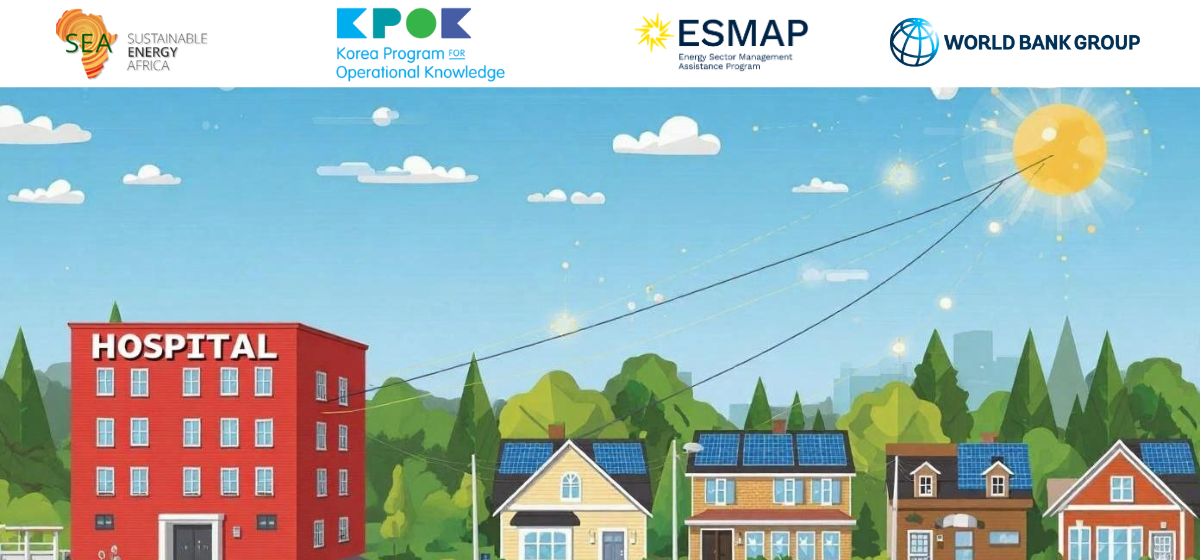
Training | E-Learning Course on Distributed Photovoltaics (Self-Paced)
ESMAP and the Government of Korea, through the Korea Program for Operational Knowledge (KPOK), launched a fully online, self-paced e-learning course on Distributed Photovoltaics (DPV) for World Bank Group clients. The course provides a structured overview of the DPV enablement journey, including fundamentals and use cases, economic and tariff considerations, regulatory and policy frameworks, technical and grid integration aspects, and utility readiness for implementation. Using practical examples and international case studies, the course illustrates how DPV can reduce cost and improve access to electricity, strengthen grid resilience, and advance clean energy transitions. Participants gain insight into DPV benefits and the regulatory, technical, and commercial challenges that emerge as deployment scales.
The course draws on ESMAP’s From Sun to Roof to Grid ESMAP Series, with learning materials designed by Sustainable Energy Africa in partnership with GET.transform.
>>Register

Webinar | The African Power Pools: Building Towards The Single Electricity Market | March 11, 2026 (8-9:30am EST - 4-5:30pm EAT)
Regional power integration remains one of the most effective levers for delivering reliable, affordable, and sustainable electricity, enabling countries to connect power systems, tap diverse renewable resources, enhance system resilience, reduce costs, and accelerate progress toward universal access—particularly vital in Sub Saharan Africa, where resources are abundant yet unevenly distributed.
Organized by ESMAP and the African Union Commission on Africa’s regional power integration, this webinar will highlight the latest developments in Africa’s regional power pools, the World Bank Group’s support for their evolution, and its expanded engagement through programmatic initiatives such as RETRADE and WA REMP. At the continental level, it will also examine how the African Union’s African Single Electricity Market (AfSEM) initiative provides a unified vision to strengthen cross border electricity trade and drive strategic development goals, including Mission 300 and Agenda 2063.
>>Register