

How Electricity Access continues to elude millions of people
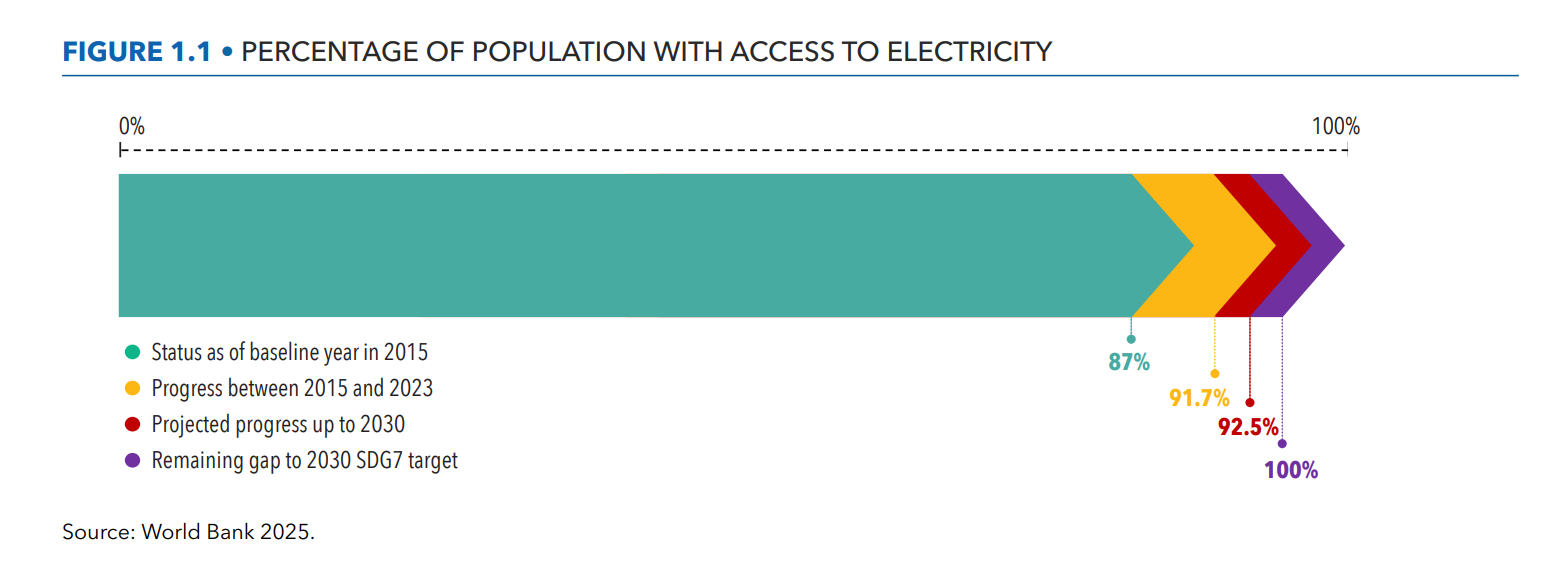
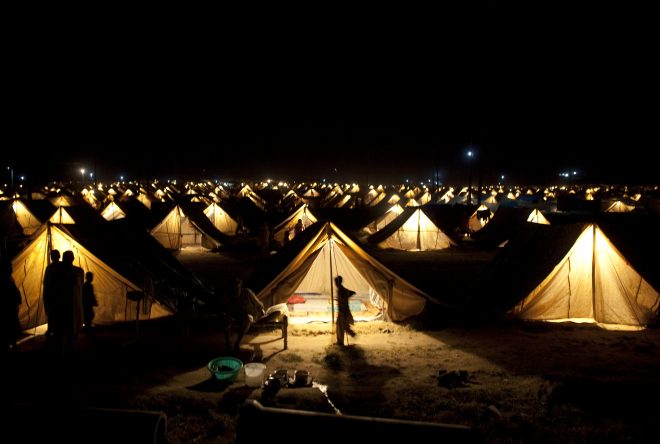
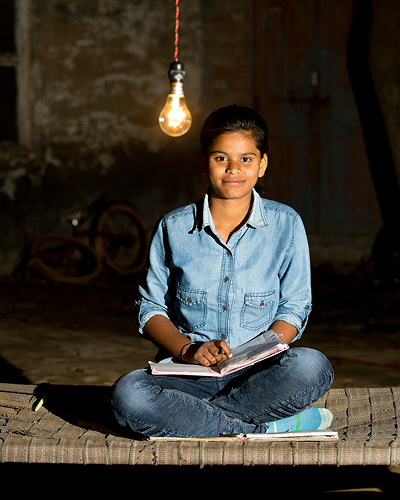
Access to dependable and affordable electricity is critical to lifting people out of poverty. Global electricity access increased to 92 percent in 2023, but 666 million people still cannot power their homes, schools, or businesses. Sub-Saharan Africa is home to 85 percent of those without electricity and at the current pace of electrification, the global community will miss SDG7 of achieving universal access to energy by 2030.
What are the biggest obstacles to electricity access?
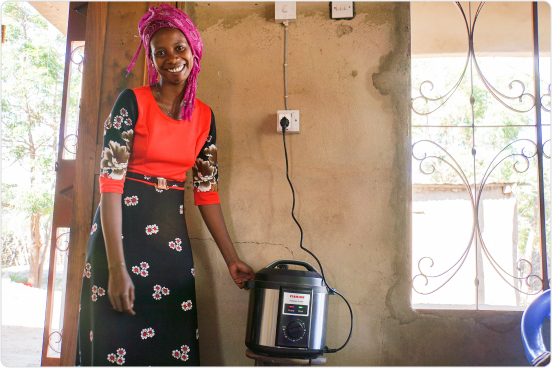
It is difficult and costly to bring electricity to remote and rural communities. Many families cannot afford electricity due to relatively high costs and large upfront payments. Little purchasing power also poses a challenge for the business model of utility companies. Moreover, unclear policies and lack of reliable data make it harder to build new electricity connections.
Accelerating the deployment of new electricity connections
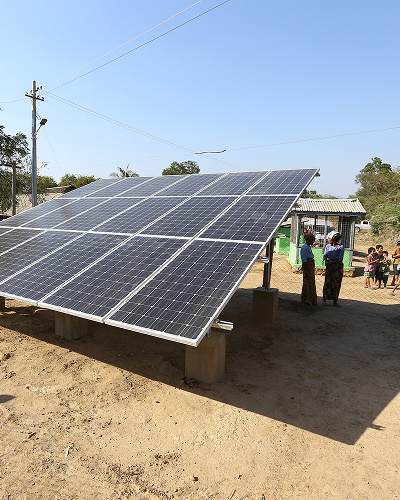
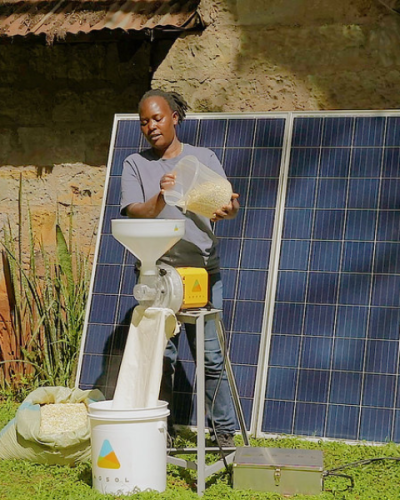
The World Bank Group and the African Development Bank, supported by ESMAP and other partners, have launched Mission 300, an initiative to connect 300 million people to electricity in Sub-Saharan Africa by 2030. As part of Mission 300, ESMAP supports African governments in developing national electrification strategies at the lowest feasible cost. ESMAP also tracks energy access rates, supports off-grid solutions in World Bank Group projects, and creates markets for distributed renewable energy.