






ESMAP Newsletter | May 2026

In Malawi, Expanded Electricity Access is Improving Livelihood and Creating Business Opportunities
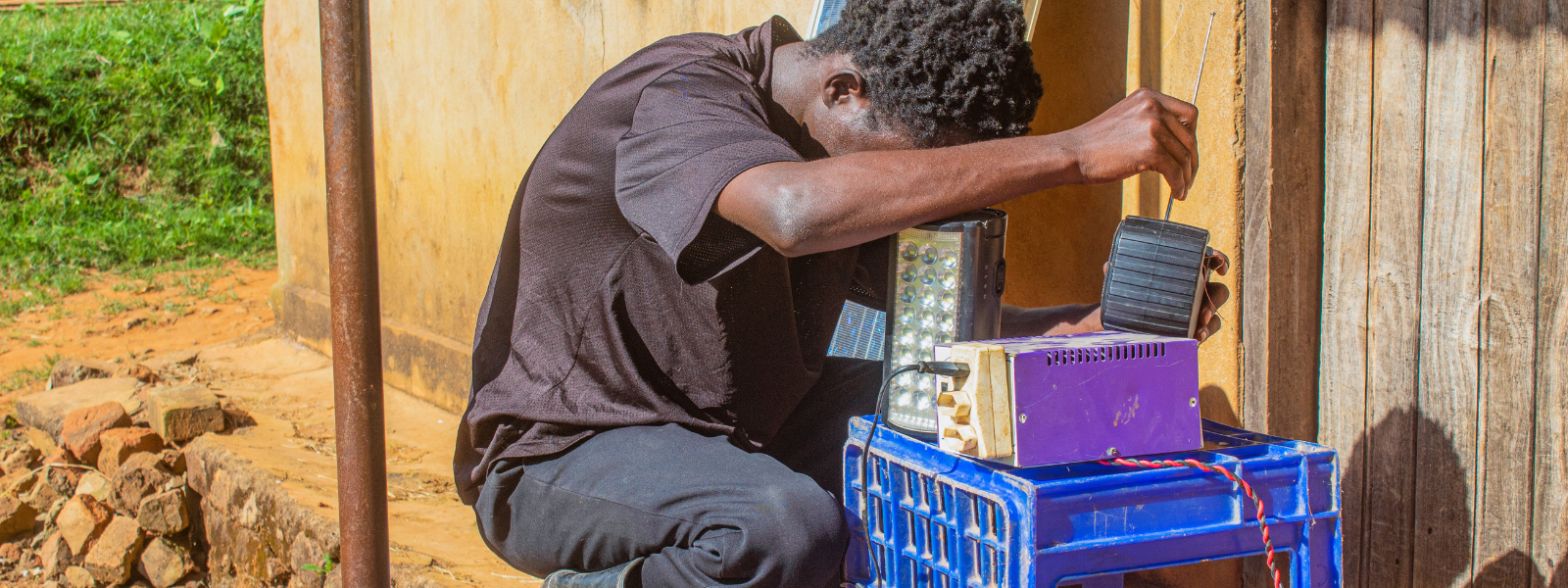
In 2019, Malawi had one of the lowest electrification rates in the world — just 11% of the population had access to electricity, with rural communities sitting at a stark 4%. Today, 25.9% of the Malawi population have access to electricity, a transformation made possible by the World Bank-financed Malawi Electricity Access Project (MEAP) and Mission 300, which together have connected nearly two million people to electricity.
The impact is tangible and deeply human: women like Bertha Macheso, a primary school teacher from the Chiradzulu District who waited years for a connection and now dreams of opening a shop to support her children, are among the millions whose lives have been changed by access to reliable power. Across the country, new connections are fueling small businesses, creating jobs, and advancing gender equity — with almost 30% of new connections reaching female-headed households.
Behind this progress lies critical groundwork that is often invisible but no less essential. ESMAP's support has been pivotal in strengthening the foundations for Malawi's energy sector transformation — funding a regulatory gap analysis and a comprehensive review of key policy frameworks, including the National Energy Policy, Renewable Energy Strategy, and the Independent Power Producer Framework, helping shape the reforms needed to attract investment and build a more resilient sector. With the MEAP's successor program, ASCENT, now underway and the Government of Malawi committed to reaching 70% electrification by 2030, Malawi's story — built on robust policy, targeted investment, and strong partnerships — is fast becoming a model for what Mission 300 can deliver across the continent.
>> Read the Feature Story | Follow the Conversation on LinkedIn

Energy Transition and Job Creation in Brazil's Northeast Region
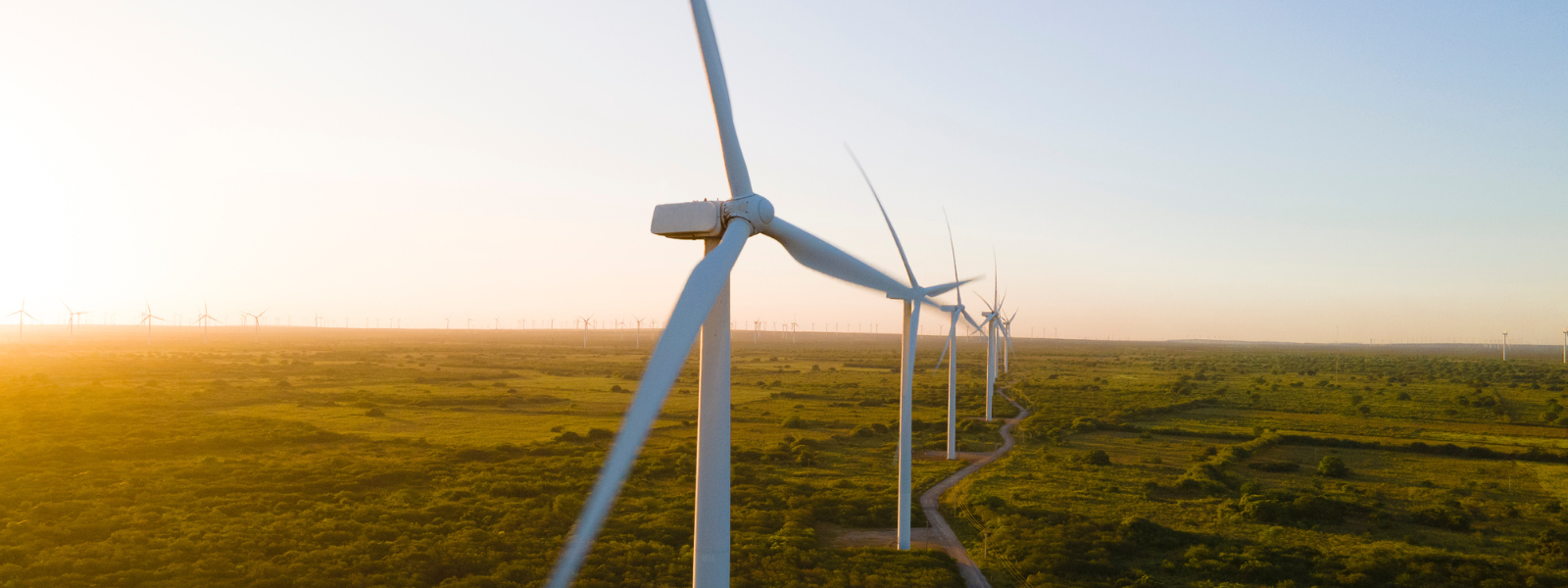
The World Bank Group Board has approved a major investment in Brazil's clean energy future: the Brazil Energy Transition for the Northeast Region project (PRODECARB). The US$500 million loan from the World Bank anchors a total financing package of US$968 million, with additional financing support including a US$30 million concessional loan from the Climate Investment Funds’ Clean Technology Fund, a US$10 million grant from the Livable Planet Fund, and a US$5 million grant from the Energy Sector Management Assistance Program (ESMAP). The project will also leverage over US$423 million in commercial financing.
PRODECARB will expand financing for first-of-a-kind commercial demonstration projects across high-impact sectors — including green hydrogen, sustainable aviation fuels, e-methanol, biomethane, low-carbon fertilizers, cement, and steel — positioning Northeast Brazil as a hub for tomorrow's clean industries.
ESMAP played a catalytic role throughout, providing R&D support for low-carbon technologies, capacity building for Banco do Nordeste, decarbonization roadmaps for the Industrial and Port Complex of Pecém, and hydrogen market analysis. This technical foundation was essential to ensuring implementation readiness.
While the region holds some of Brazil's strongest renewable energy resources, it also faces high poverty rates and limited industrialization. The project directly addresses this gap — designed to catalyze private investment, accelerate low-carbon industrial growth, and create high-quality jobs where economic opportunity is needed most.
>> Read the Press Release | Follow the Conversation on LinkedIn
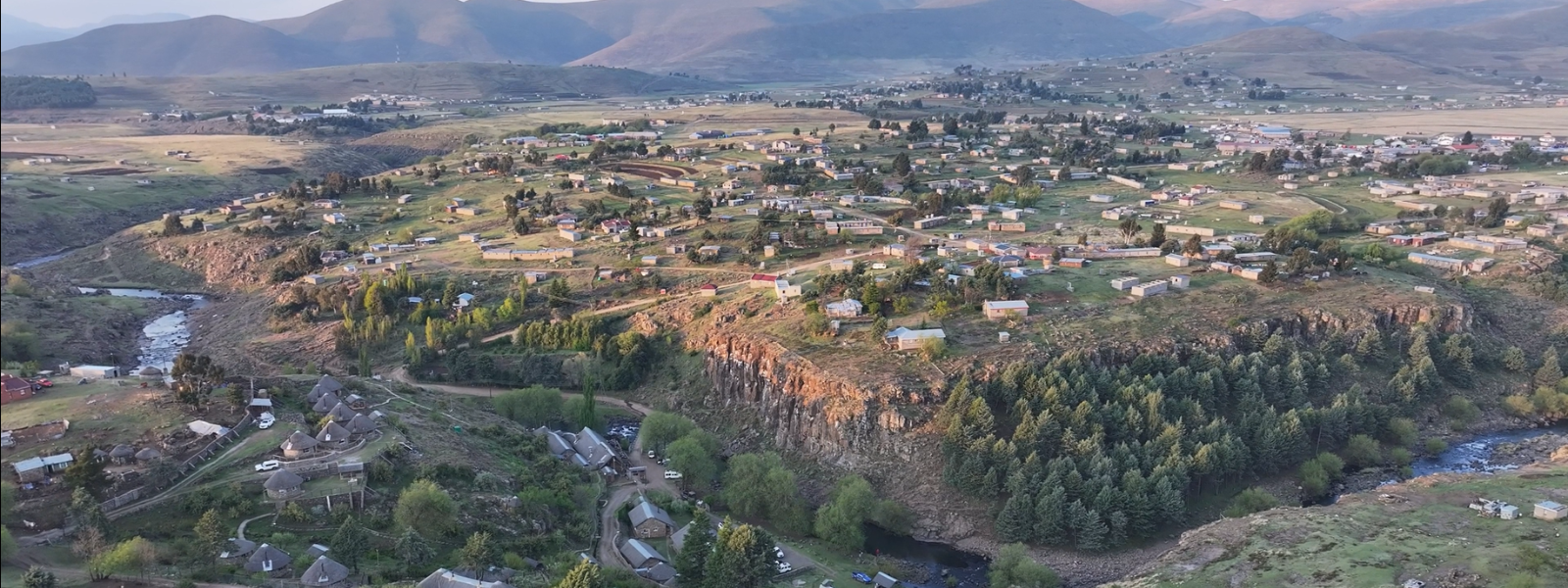
Accelerating Sustainable and Clean Energy Access Transformation in Lesotho, ASCENT Lesotho
ESMAP has been instrumental in unlocking transformational energy access investment in Lesotho, playing a catalytic role at every stage of the process. Through US$15 million in early grant financing, ESMAP helped design and seed the ASCENT program, a US$15 billion regional umbrella initiative that enabled the mobilization of Lesotho's US$50 million allocation. Beyond financing, ESMAP served as an incubator for the Lesotho project — testing and mainstreaming data-driven tools such as geospatial electrification mapping and off-grid market analysis to help the World Bank and the country’s Ministry of Energy determine the optimal balance between grid expansion and off-grid solar solutions. As a core pillar of Mission 300 — the joint World Bank and African Development Bank initiative to connect 300 million Sub-Saharan Africans to electricity by 2030 — the ASCENT program is at the center of the continent's most ambitious energy access drive, serving as its primary analytical and advisory engine.
>> Learn more


As Global Conflicts Push Energy Prices Up, Keeping Energy Subsidies in Check While Boosting Energy Efficiency Leads to Better Results
The conflict in the Middle East has thrust energy subsidies back into the spotlight — but as this blog argues, broad-based subsidies often do more harm than good, straining public budgets, distorting markets, and disproportionately benefiting wealthier households while providing limited relief to those who need it most. The blog makes the case that energy prices and efficiency are interconnected: cost-reflective pricing incentivizes investment in energy efficiency, while efficiency gains help households and firms absorb higher energy costs, reducing the pressure on governments to rely on subsidies. The central message is clear — coordinating energy price reforms with targeted social protection measures and efficiency initiatives delivers better outcomes across the board, improving affordability, strengthening fiscal sustainability, enhancing energy security, and building resilience against future energy shocks.
>> Read the Blog | Follow the Conversation on LinkedIn

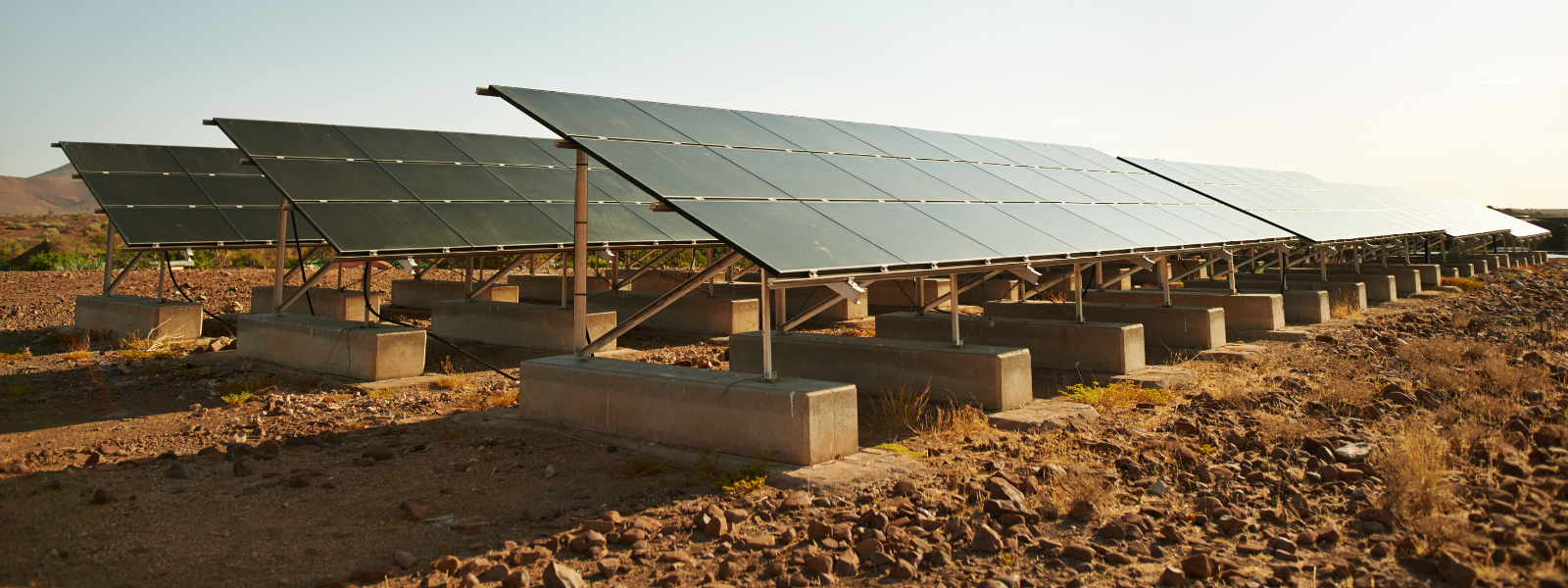
How Solar Mini-Grids are Bringing Reliable Power to Communities
Hear from Tatia Lemondzhava, ESMAP Senior Energy Specialist on how solar mini grids are bringing reliable power to communities and why distributed renewables are among the fastest ways to expand access while helping countries withstand energy shocks.

Regional Network in Energy for Women in the Middle East and North Africa (RENEW MENA)
RENEW MENA held two activities during the month of May aimed at building capacities and strengthening the enabling environment for women in the energy sector. Together, they reflect both the depth and breadth of RENEW MENA's outreach — one leveraging the convening role of national chapters to forge partnerships between academia and utilities within the same country, and another drawing on cross-country collaboration and resilience to deliver knowledge exchange amid a challenging fragile, conflict, and violence (FCV) environment.
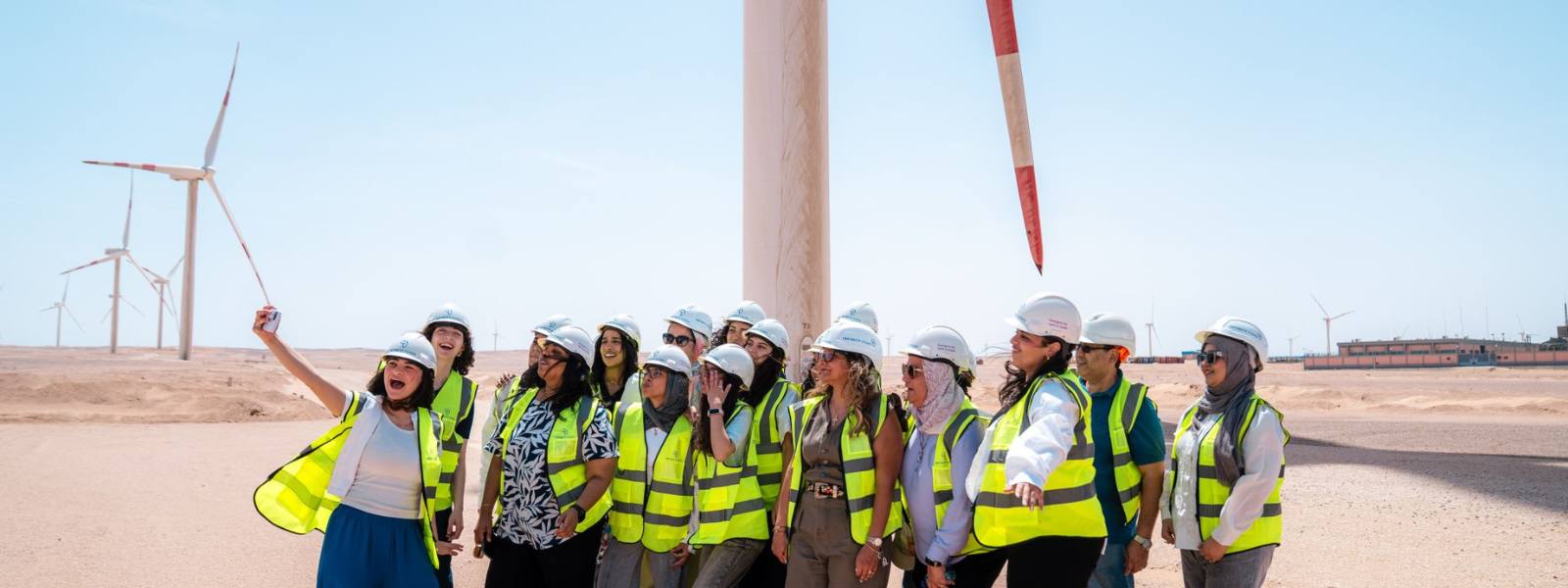
On 16 May 2026, the RENEW MENA Egypt Chapter, together with two of its partners, organized a site visit and hands-on training for female engineering students at a wind farm. Infinity Power hosted close to 20 students from the German International University (GIU) — both RENEW MENA partners — at the West Bakr 250MW wind farm, offering them an immersive introduction to the realities of working in the field. The day featured technical presentations, a tour of the facility's equipment and control systems, and concluded with the presentation of training certificates co-signed by RENEW MENA, Infinity Power, and GIU.
>> Follow the Conversation on LinkedIn with RENEW MENA | Infinity Power | German International University (GIU)
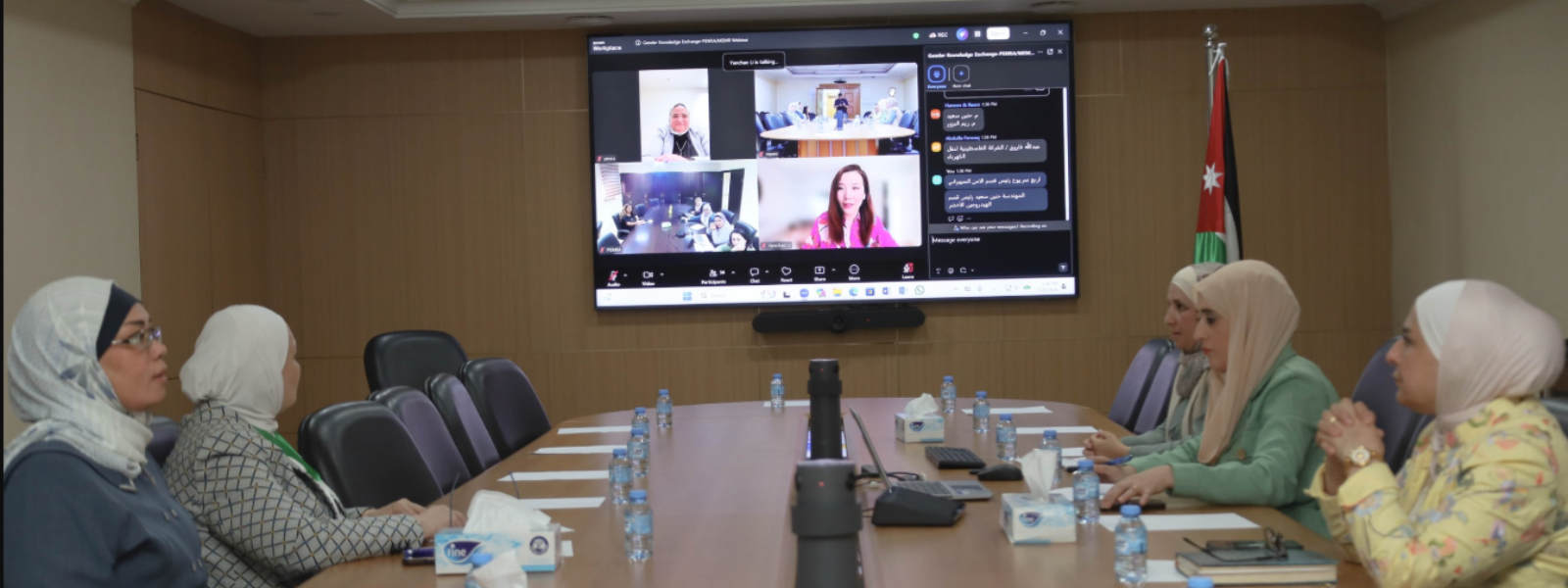
On 20 May 2026, Jordan's Ministry of Energy and Mineral Resources (MEMR) and the Palestinian Energy and Natural Resources Authority (PENRA) convened for a knowledge exchange webinar on advancing gender integration in the energy sector, facilitated under RENEW MENA and the West Bank and Gaza Programmatic Advisory Services and Analytics (PASA). The session was led by Secretary General Eng. Amani Al-Azzam of MEMR and Deputy Chair Eng. Reem Karzoon of PENRA — the highest female leadership positions in their respective national energy sectors. MEMR shared Jordan's experience in building institutional structures for gender mainstreaming, while PENRA presented its gender integration journey aimed at strengthening women's participation both as energy professionals and as beneficiaries of renewable energy programs. Both sides reflected on the challenges facing women in their respective contexts and acknowledged RENEW MENA's critical role in advancing this agenda. The discussion centered on sustaining gender integration beyond individual project cycles, identifying opportunities for continued collaboration, and agreed to leverage their partnership with RENEW MENA — particularly on capacity building — drawing on their shared social and cultural ties and geographic proximity. Through workshops, targeted projects, and cross-border partnerships, the ESMAP RENEW MENA Gender Program is helping translate national commitments into concrete action, building the institutional foundations needed to ensure that women are not only beneficiaries of the energy transition, but leaders of it.
>> Read the Article By Petra: Arabic | English | Article by the Ministry of Energy and Mineral Resource:Arabic | Photo Gallery | Follow the Conversation on LinkedIn | Facebook

Call for Expressions of Interest: Develop AI Tool to Identify Industrial Decarbonization Projects with road testing in Brazil
The World Bank is looking for businesses/individuals to develop and test an Artificial Intelligence (AI) and Machine Learning (ML) -based solution to generate country, technology and facility-level specific decarbonization investments projects pipelines in the industry, including piloting this solution in Brazil.
>> Learn more

ESMAP Knowledge Exchange & Study Tour on Grid Digitalization and Cybersecurity
The grid of the future is already being built — and the countries that learn fastest will lead the transition. From May 20 to 27, the ESMAP Foundations for Decarbonized Energy Systems program brought together over 50 participants from 20 countries for a Knowledge Exchange and Study Tour on Grid Digitalization and Cybersecurity in Italy. Utilities, ministries, and regulators from World Bank Group client countries engaged in a week of hands-on, interactive learning alongside some of Italy's foremost public and private sector leaders in the power sector — including Enel Group, Gridspertise, ACEA, CESI SpA, RSE SpA, and Terna SpA — in collaboration with the Ministero dell'Ambiente e della Sicurezza Energetica. For countries navigating their own digitalization journeys, there is no better classroom than the field, and no better partners than those who have led the way.
>> Day 1 | Day 2 | Day 3 | Day 4
ESMAP Consultative Group Meeting
ESMAP's latest Consultative Group Meeting in Washington brought together donor partners for a timely and substantive exchange on the global energy crisis and the solutions needed to address it. The meeting served as a valuable opportunity to reaffirm shared commitments to ESMAP's core priorities — energy subsidy reforms, regional energy market integration, accelerated renewable energy deployment, clean cooking access, and energy efficiency — all critical building blocks of a just and inclusive energy transition. Participants aligned on how these levers can be most effectively deployed, together advancing a coherent pathway toward an energy transition that delivers impact at scale for the people who need it most.
>> Learn more and watch the video
CONFERENCE | ESMAP at WindEurope 2026
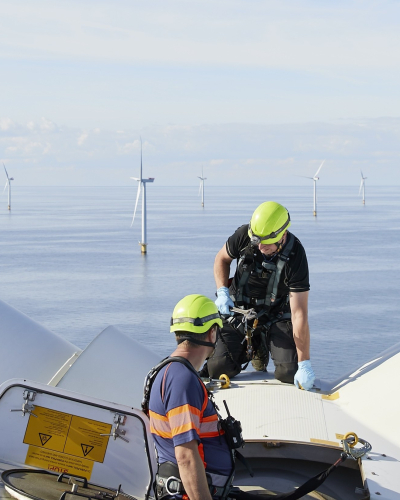
ESMAP's offshore wind development team took center stage at WindEurope's annual conference in Madrid, engaging with industry stakeholders, developers, and environmental and social experts in high-level exchanges on accelerating offshore wind deployment in emerging markets. The conference also marked a significant moment for global partnership: ESMAP co-hosted a networking reception with the Global Wind Energy Council — a strategic partner representing the wind energy sector in more than 80 countries — reinforcing the cross-sector collaboration essential to scaling offshore wind as a cornerstone of the global energy transition
>> Learn more | Follow the Conversation on LinkedIn
WEBINAR | ESMAP-Africa Energy Learning Series: Unlocking Private Capital for Renewables: SRMI's Support to Mission 300
ESMAP's Sustainable Renewables Risk Mitigation Initiative (SRMI) is at the forefront of helping governments attract private capital through well-structured competitive tenders — and it is playing a pivotal role in Mission 300-participating African countries' efforts to scale renewable energy infrastructure at competitive cost, a cornerstone of their respective National Energy Compacts.
The session traced SRMI's end-to-end journey with African client countries: from upstream technical assistance and tender design all the way to financial close. It took an honest look at what competitive tenders can realistically deliver across diverse country contexts, and where complementary risk mitigation instruments remain essential to mobilizing investments at scale. Drawing on lessons from the field, participants gained insights into what is working — and what it will take to accelerate affordable renewable energy access across the continent.
Part of the ESMAP-Africa Learning Series: Electrifying Africa — Delivering on Mission 300 Faster Together.
WEBINAR | ESMAP-Africa Energy Learning Series: Redesigning Results-Based Financing to Increase Longevity of Access and Crowd in Capital
This session explored how distributed renewable energy (DRE) models can be designed and scaled in low-affordability contexts, with a focus on what investors need to see to support long-term service delivery. It examined key considerations around affordability, subsidy design, financing structures, and delivery models. Participants also delved into how these choices affect viability, scalability, and continuity of service at the last mile, gaining a clearer understanding of the tradeoffs and practical design decisions shaping efforts to deliver electricity access that lasts.
WEBINAR | ESMAP-Africa Energy Learning Series: Unlocking the Solar Energy Potential for Enabling Food Security in Mali
This session explored a pioneering initiative to harness solar energy for income-generating use in rural Mali. Bringing together solar technology providers, agriculture small and medium enterprises (SMEs), commercial banks, government institutions, and development partners, the initiative has built a dynamic ecosystem designed to unlock the productive use of electricity (PUE) in underserved communities — and deliver lasting impact on food security. The initiative is implemented by the World Bank in partnership with Deloitte Senegal.
ESMAP WEBINAR | Hydrogen for Development (H4D) 5th Stakeholders Forum | Panels at the World Hydrogen Summit 2026
The Fifth Hydrogen for Development (H4D) Stakeholders Forum, held on the sidelines of the World Hydrogen Summit, brought together senior leaders from the public and private sectors for a high-level exchange on accelerating electrolyzer deployment in emerging markets and developing economies. The forum featured two dedicated sessions:
Session 1 — Policy, Industrialization, and Market Development explored the policy frameworks and industrialization strategies shaping electrolyzer manufacturing and localization, alongside global market trends across key regions. Panelists discussed opportunities for international collaboration to drive industry scale-up, strengthen knowledge transfer, and support the development of a competitive and resilient global electrolyzer ecosystem.
Session 2 — Technology, Financing, and Deployment Pathways examined the technical strengths and comparative advantages of different electrolyzer technologies, drawing on real-world deployment experiences from emerging markets. The session delved into critical project financing considerations — including cost structures, risk allocation, and bankability requirements — and identified practical pathways to mobilize investment and build sustainable hydrogen markets in EMDCs.
>> Follow the Conversation on LinkedIn

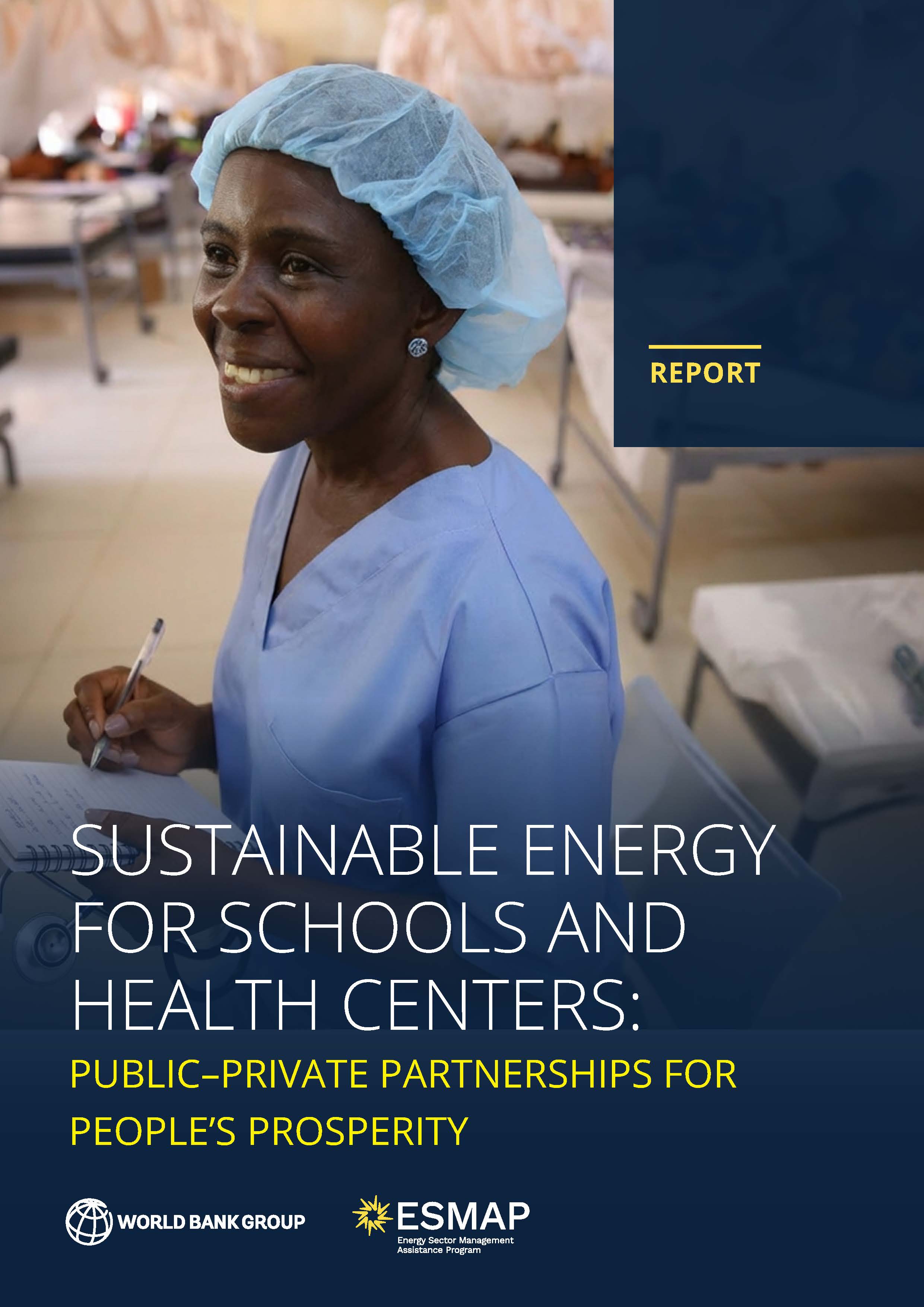
REPORT LAUNCH | Sustainable Energy for Schools and Health Centers: PPPs for People’s Prosperity | June 1, 2026
The report introduces a new vision for delivering sustainable energy services to the poorest and most underserved communities. It presents a new approach to “PPPs for People’s Prosperity” — partnerships that unite governments, the private sector, and development partners to move beyond one-off infrastructure investments toward long-term, service-oriented solutions.
>> Register