









Unlocking the Energy Transition | Guidelines for Planning Solar-Plus-Storage Projects
The report examines how solar-plus-storage can replace costly, fuel-dependent power systems in developing countries.
It finds that hybrid solar PV and battery systems can replicate key thermal features while reducing fiscal and energy security risks.
A structured planning framework and adaptable PPA models can help governments and utilities scale deployment with private investment.
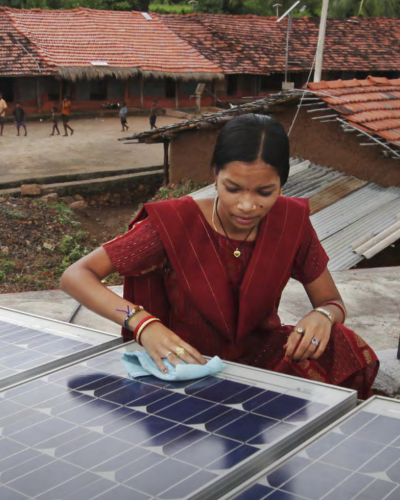
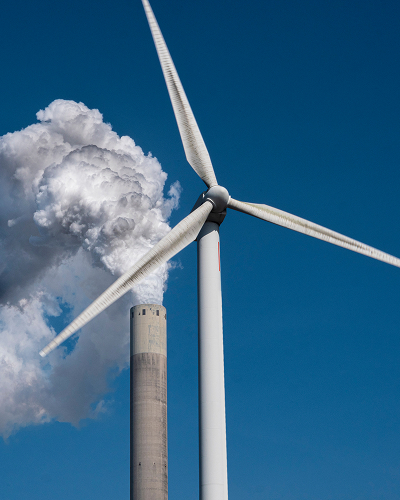
The reports finds that solar photovoltaic (PV) systems combined with battery energy storage (BESS) can help developing countries reduce their reliance on imported fossil fuels and financially burdensome thermal power generation while maintaining reliable electricity supply. Such solutions are particularly relevant in countries where fuel dependency contributes to debt distress and persistent power sector inefficiencies
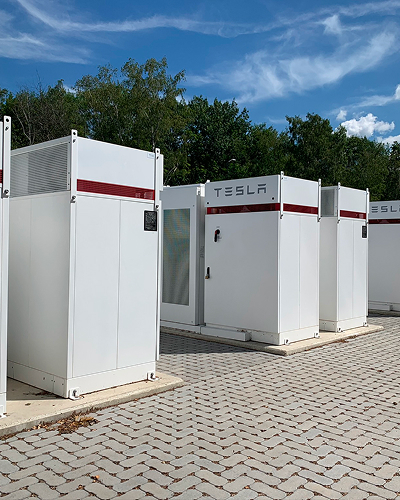
These hybrid solutions of PV and battery storage can offer comparable characteristics as thermal generation—such as dispatchability, capacity firmness, and structured payment mechanisms—while reducing exposure to fuel price volatility. The report identifies three primary business models for structuring power purchase agreements (PPAs): (i) two-part contracts separating capacity and energy payments, (ii) capacity-only contracts, and (iii) blended contracts. The suitability of each model depends heavily on local conditions, including market structure, system needs, and the degree of required dispatchability. The two-part contract is found to be particularly applicable in fuel-dependent, non-liberalized markets, including many Sub-Saharan African countries and Small Island Developing States.
To operationalize these insights, the report proposes a four-phase planning framework for solar-plus-storage projects. This includes preparatory analysis (e.g., least-cost planning, demand forecasting, grid integration), selection of appropriate business models using a decision-tree approach, and implementation through competitive procurement. The framework is supported by practical tools, including adaptable PPA templates and term sheets, aimed at reducing transaction complexity and accelerating project deployment. The report emphasizes the importance of technical and transaction advisors to tailor solutions to country-specific requirements.
Broader implications for development work are significant. By enabling a shift away from fuel-based generation, solar-plus-storage projects can improve fiscal sustainability, enhance energy security, and mobilize private investment. However, the report notes that contractual and commercial frameworks for these hybrid systems are still evolving. Continued learning, adaptation, and institutional capacity-building will be essential to scale adoption effectively and ensure long-term system reliability and affordability.