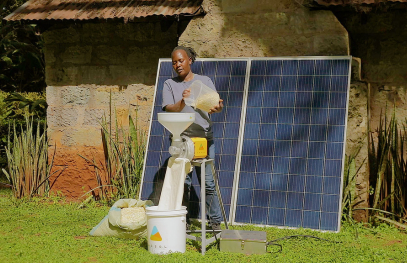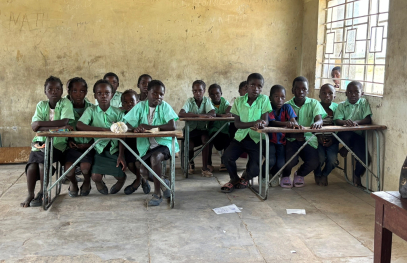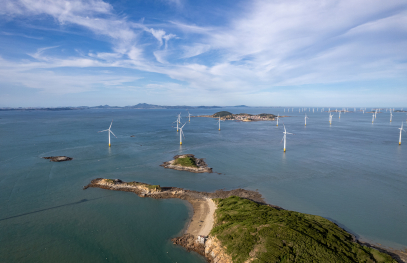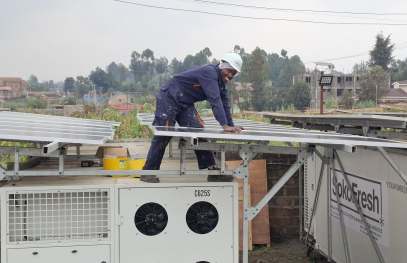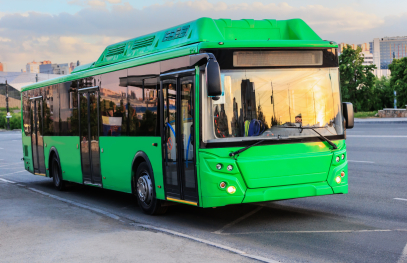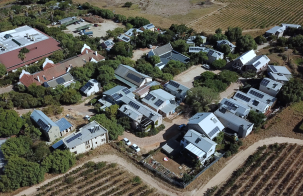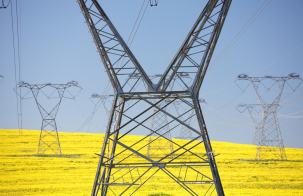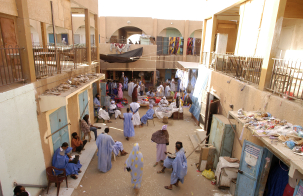


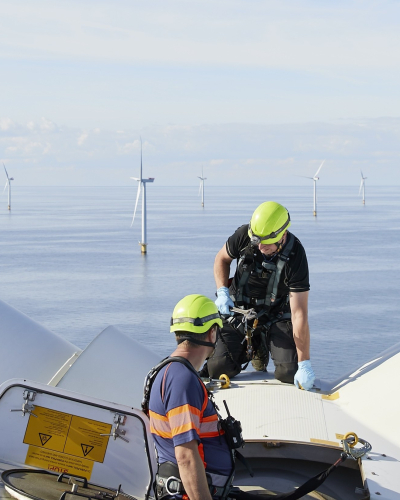
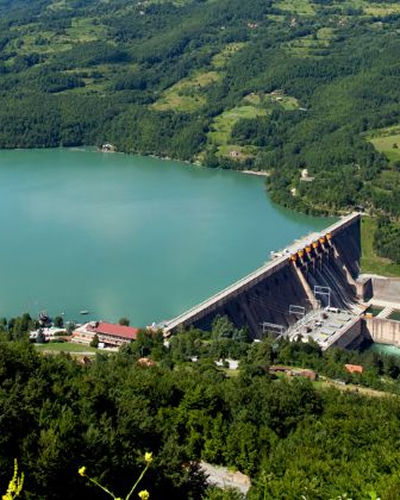
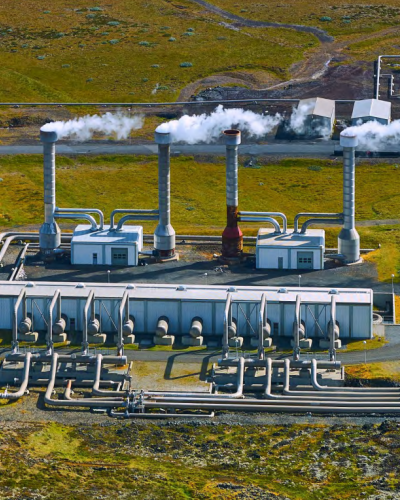
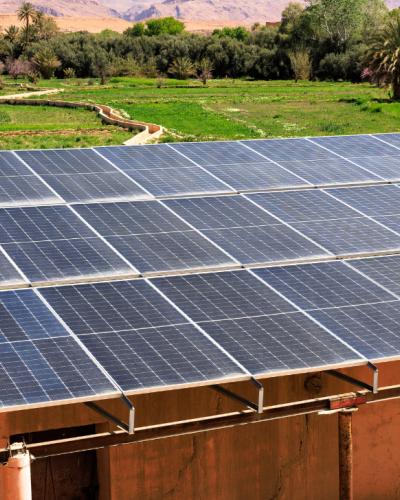
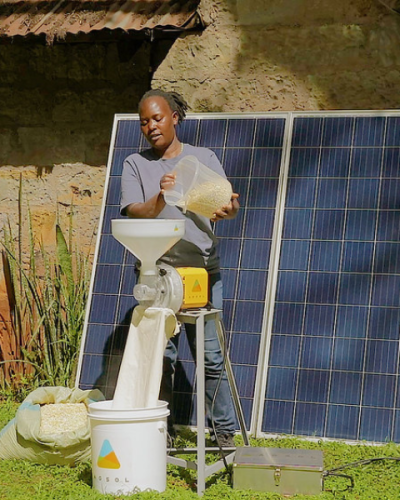



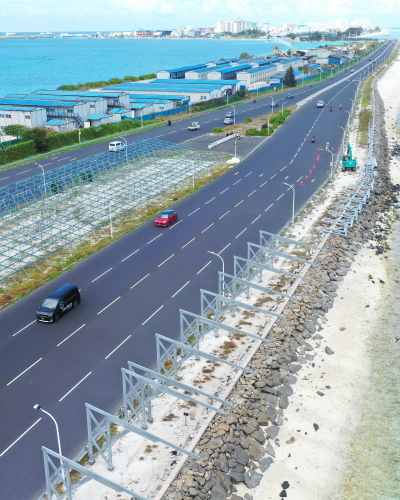
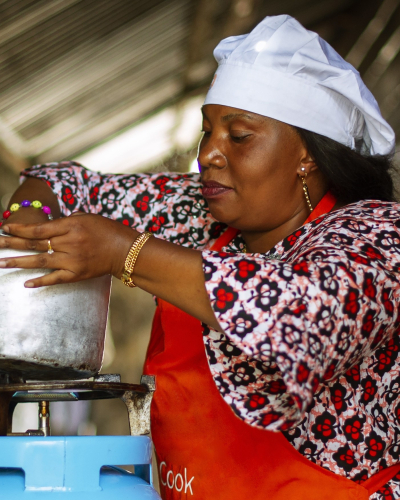
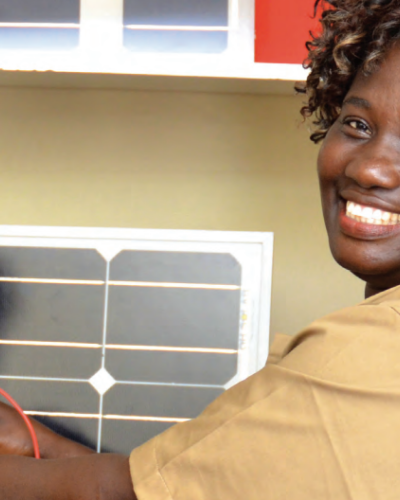
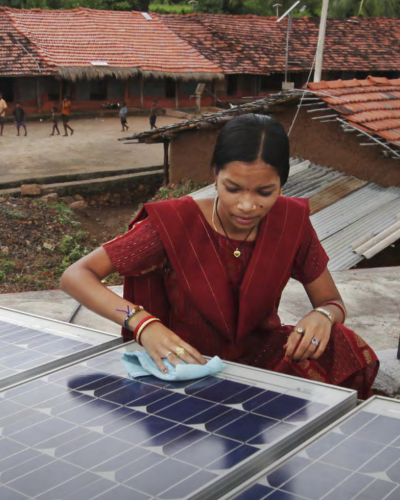
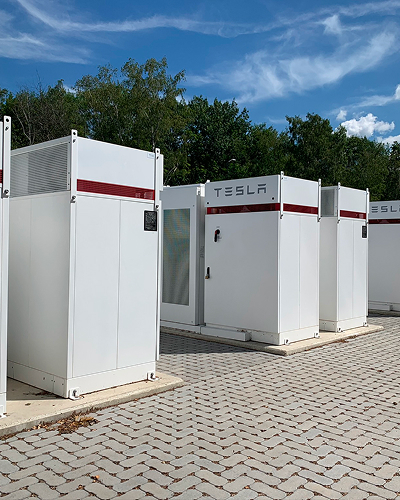

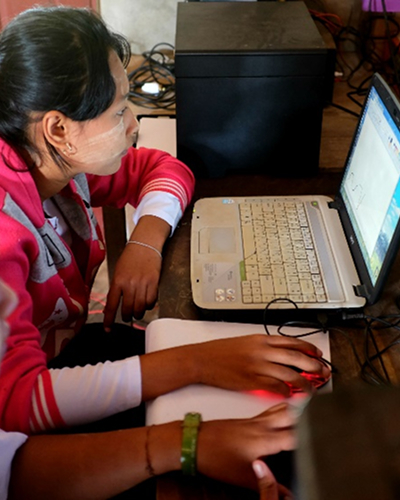

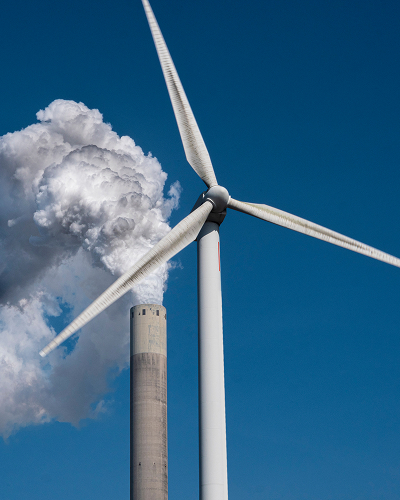
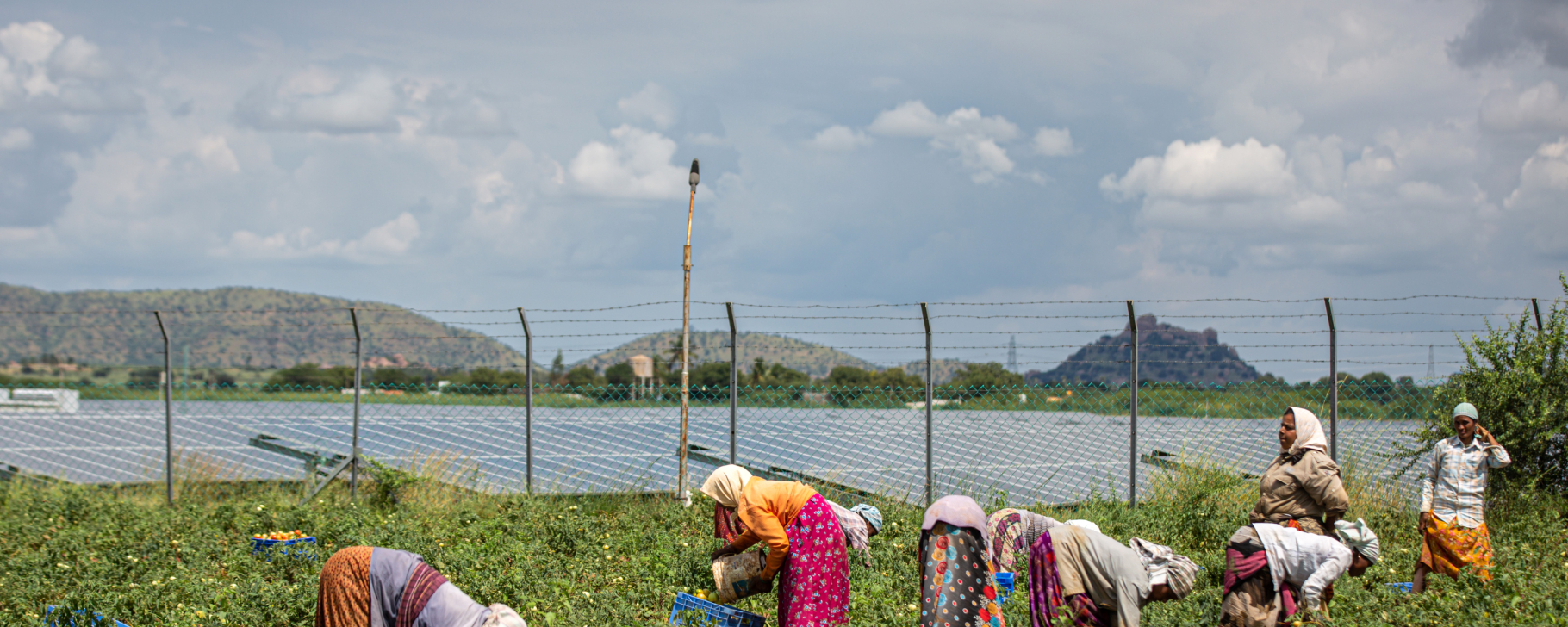
ESMAP structures its work along three focus areas: helping to connect people to energy through electricity and clean cooking options; supporting the transition to low-carbon power to grow economies and jobs and protect the environment, and strengthening foundations for decarbonized energy systems by improving infrastructure, creating stable institutions, and setting policies.
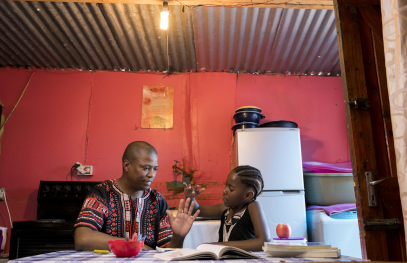
Our Focus Areas
Energy Access: Electricity and Clean Cooking
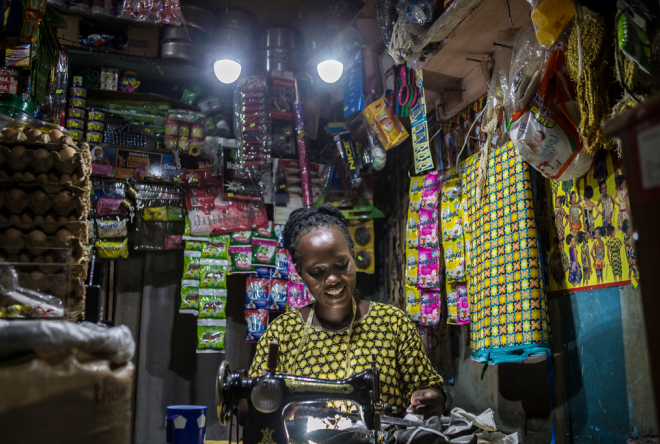
ESMAP plays a critical role in closing the electricity access gap with needs particularly acute in Sub-Saharan Africa where 85% of the world's population without electricity live. We provide technical assistance, data, implementation support, and catalytic financing to help governments design least-cost electrification plans, attract private investment, and implement innovative delivery models for both electricity and clean cooking.
ESMAP’s Energy Access work is organized into three workstreams.
Energy Transition
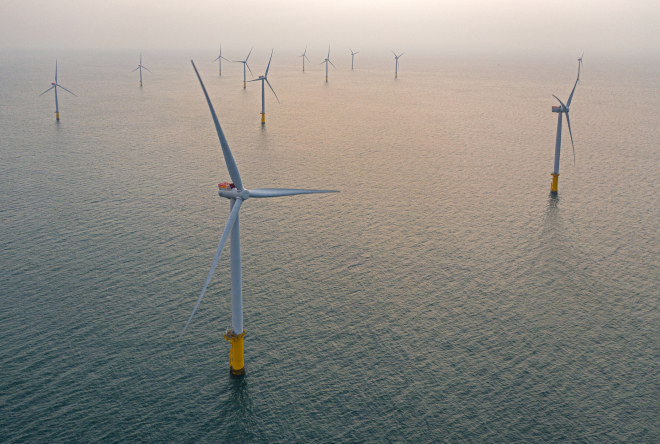
ESMAP supports developing countries and the private sector to design, finance, and implement affordable and equitable transitions to low-carbon power to deliver environmental, economic, health, and energy‑security benefits. We develop transition roadmaps, prepare strategies to attract private capital, identify essential infrastructure needs, and devise innovative approaches to de-risking energy projects.
ESMAP’s Energy Transition work is organized into three workstreams.
Foundations for Decarbonized Energy Systems
ESMAP works to strengthen energy sector fundamentals in developing countries to improve energy infrastructure, create stable institutions overseeing and managing energy systems, make data-driven decisions, and protect and support vulnerable people. The electrification of end-uses like electric vehicles or heat pumps, the rising affordability and reliability of distributed renewable energy, and the widespread adoption of digital technologies, including artificial intelligence, are creating new opportunities to modernize and strengthen countries’ energy foundations.
ESMAP’s foundational work is organized into four workstreams:

Explore ESMAP's project portfolio and see how countries are advancing energy access, accelerating the energy transition, and strengthening the foundations of decarbonized energy systems
Results Stories

The case study highlights how the World Bank Group ’s ESMAP program has helped catalyze the offshore wind sector in the Philippines. Since 2019, ESMAP and IFC have worked closely with the Philippines government and industry partners to turn offshore wind from an untapped resource into a central pillar of the country’s energy strategy.
The Zambia–Tanzania Interconnector, backed by the European Union, the UK Government, the World Bank, ZESCO, and ESMAP, is bridging Southern and Eastern Africa’s power networks. When complete, it will enable countries from Cairo to Cape Town to share affordable, often renewable electricity, boosting energy security and resilience across the region.