













Unlocking Clean Cooking Pathways: A Practitioner’s Keys to Progress
Unlocking Clean Cooking Pathways: A Practitioner’s Keys to Progress
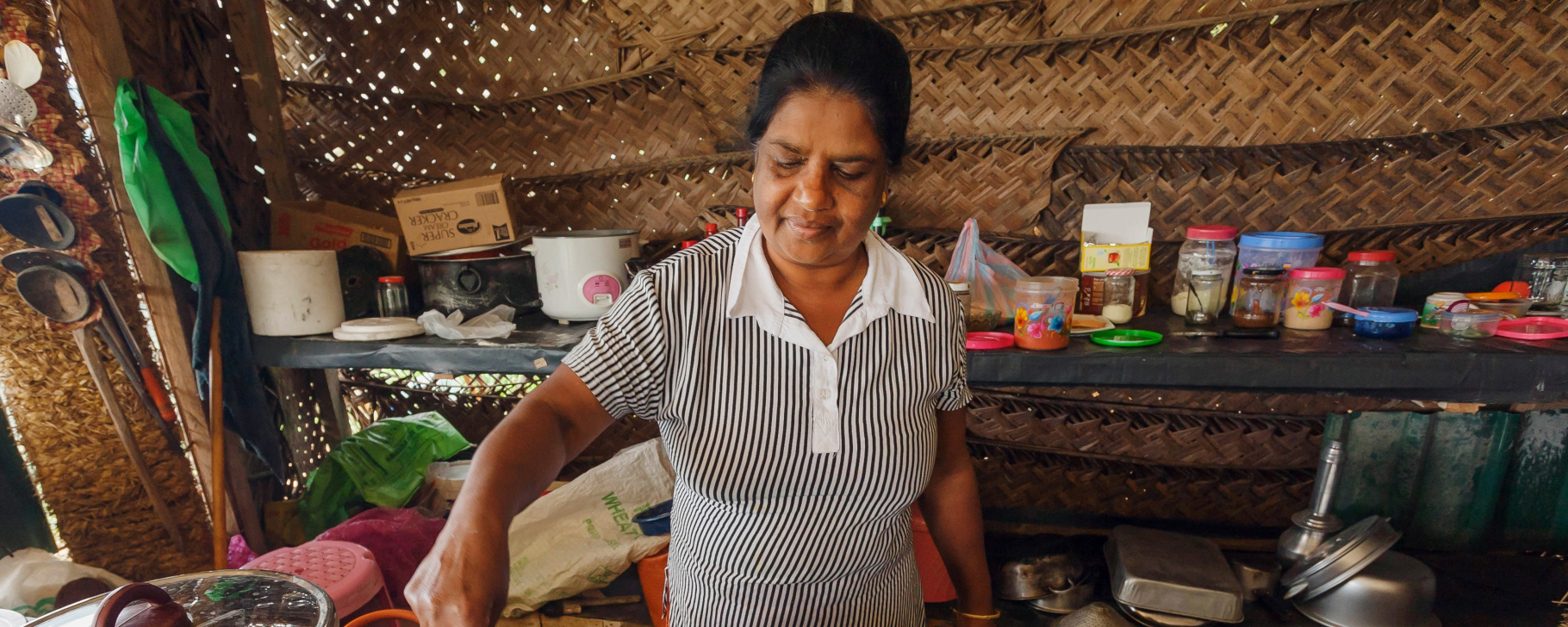
- Cooking Poverty: Over two billion people live in so-called ‘cooking poverty’, relying on polluting stoves fired by fossil fuels to cook their meals.
- Barriers: Clean cooking is often overlooked, hindering its development and investment. Also, the most affected—women and children—often lack the influence and resources to drive change.
- Prioritization: Clean cooking urgently requires high-level political and financial commitment, and efforts to raise awareness to accelerate access to clean cooking.
Access to clean cooking
Without urgent action to promote clean cooking, over two billion people are projected to remain affected by 2030. This would lead to major negative consequences for public health, gender equality, and the environment, costing an estimated $2.4 trillion annually.
Perception of clean cooking
The underlying challenges of clean cooking can be attributed to the sector being:
- Orphaned: Even though clean cooking cuts across multiple sectors—from health, gender, social protection, and environment/climate to finance rural, urban, and private-sector development – it is not prioritized by any large-scale public investment.
- Invisible: Women and young children, particularly those from poor households, are the most affected groups, but have little voice to advocate for change.
- Perception of weak demand: Rural households underappreciate the benefits of clean cooking and therefore depend on free firewood for cooking. Also, the sector’s lack of profitability makes it less attractive for public and private investors.
Scaling up clean cooking
Dedicated public and private sector investments are essential to scale up clean cooking. Targeted funding instruments, including results-based financing, have proven effective in developing sustainable markets and promoting the adoption of higher-performing clean cooking solutions.
Additionally, to ensure product access and uptake, sustainable market development must consider six building blocks: (1) Market Assessment; (2) Design of the Intervention Strategy; (3) Technology Evaluation; (4) Supply Development Support; (5) Market Testing, Evaluation, and Adjustment; and (6) Demand Stimulation.
Inclusive national strategies and investments are also essential in supporting girls and children in poor and rural areas to access safe and healthy cooking options.
ESMAP’s Clean Cooking Fund, through its leadership role in mobilizing finance, developing markets, and convening development partners, aims to galvanize commitment and investment to achieve universal access to clean cooking by 2030.