


Empowering Small Island Developing States: Scaling Up Renewable Energy for Resilient Economic Growth
Shared constraints, high costs: SIDS face common power‑sector challenges driven by small and isolated systems, heavy fossil‑fuel dependence, climate vulnerability, and weak infrastructure, resulting in high electricity prices, energy insecurity, and reduced economic competitiveness—especially for tourism.
Strong renewable potential, limited uptake: Falling renewable technology costs and abundant solar, wind, and other resources make clean energy increasingly cost‑effective and resilient for SIDS, yet deployment remains slow due to small project scale, grid constraints, climate risks, and limited access to finance.
Path forward requires targeted support: Scaling up renewables will require concessional and climate finance, innovative risk‑mitigation tools, modern utilities and grids, stronger procurement and regulation, capacity building, and community engagement to crowd in private investment and close viability gaps.
Small Island Developing States (SIDS) are a diverse group of countries located across the Caribbean, Pacific, Atlantic, Indian Ocean, and South China Sea. Despite their heterogeneity, SIDS share common structural challenges in their power sectors arising from geographic isolation, small and fragmented electricity systems, limited natural resources, high dependence on imported fossil fuels, and acute vulnerability to climate change. Around half of SIDS operate power systems smaller than 60 MW, which constrains economies of scale and drives up costs. Consequently, electricity prices in SIDS average about 31 cents per kWh—nearly double those in Sub-Saharan Africa—undermining economic competitiveness, particularly in tourism, and weakening environmental resilience, both of which are critical to sustainable island development.
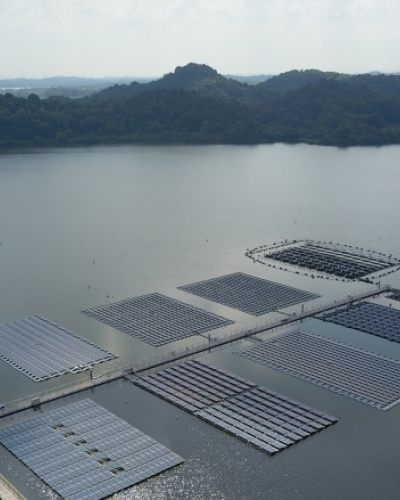
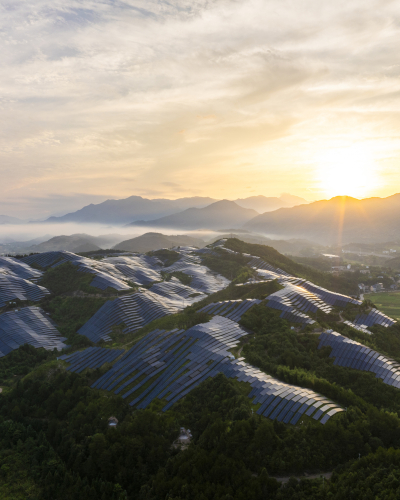
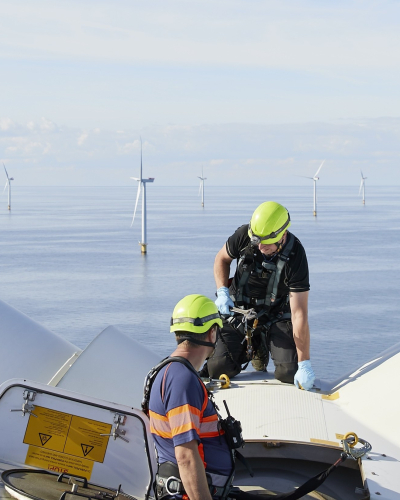
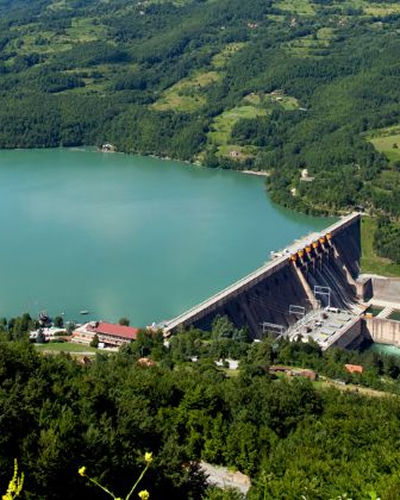
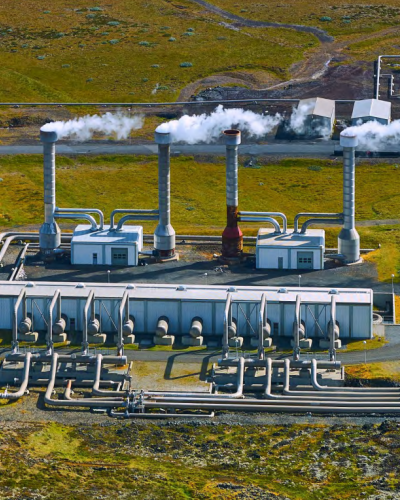
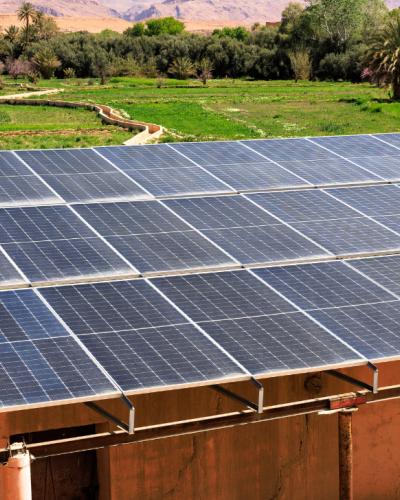
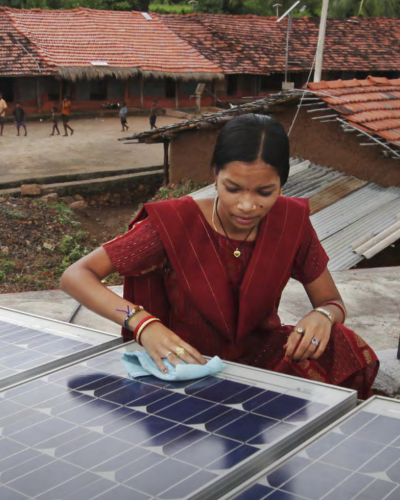
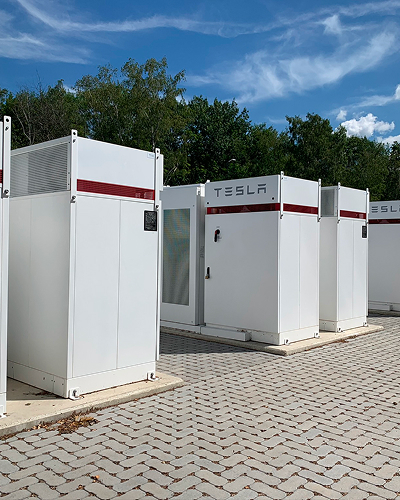
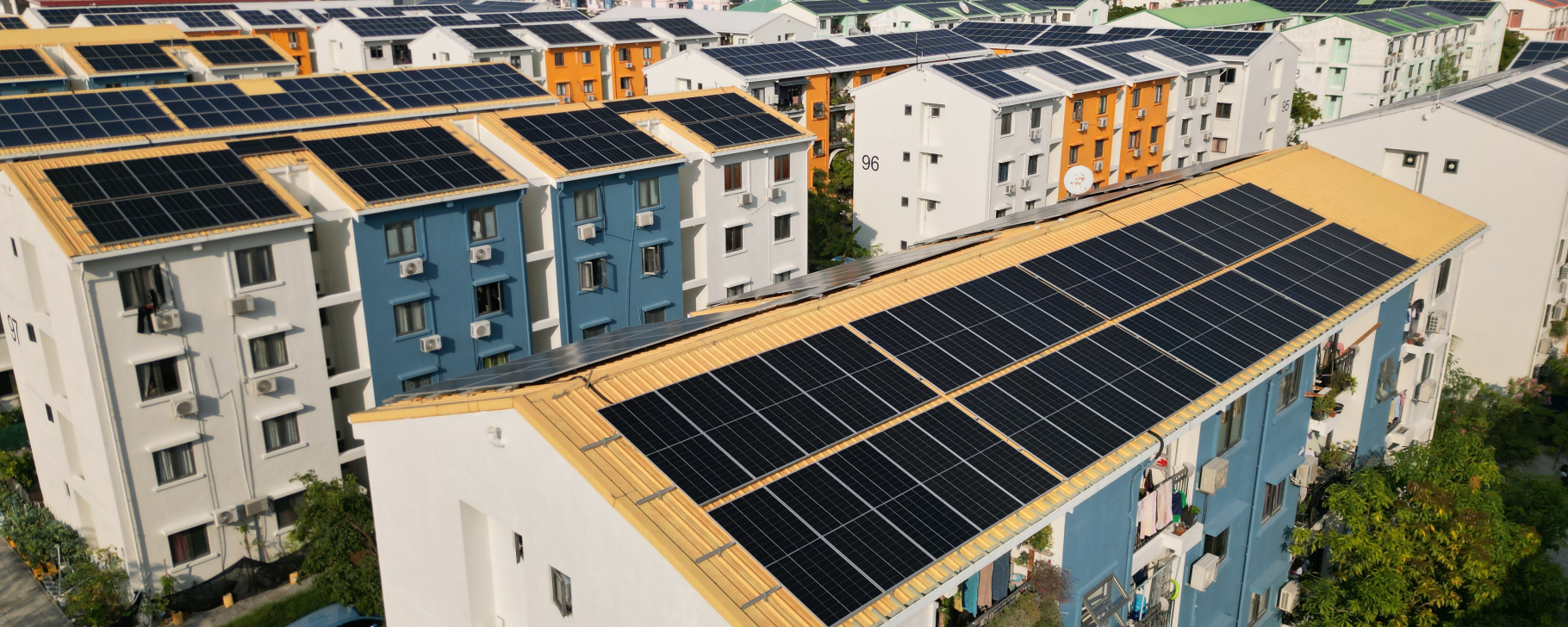
Historically, fossil fuels underpinned economic development in SIDS, but rapidly declining renewable energy technology costs and the emergence of smart grid solutions have fundamentally shifted the energy transition landscape. SIDS are endowed with abundant solar and wind resources, and in some cases biomass, hydro, geothermal, and marine energy. In many SIDS, solar power— even when paired with battery storage—has become the least-cost option for expanding generation capacity. Experience from OECD island systems demonstrates that, with adequate grid investments, high penetration of variable renewable energy (VRE) can be achieved while maintaining system stability and reliability. Transitioning to renewables offers multiple benefits, including lower generation costs, reduced reliance on imported fuels, improved energy security, enhanced climate resilience, and greater competitiveness of the tourism sector. Given constrained public finances, mobilizing private sector investment is essential to realizing these benefits at scale.
Despite strong potential and ambitious national targets, renewable energy deployment in SIDS has lagged. On average, renewables account for less than 20 percent of electricity generation, with solar and wind contributing less than 3 percent. Cross-cutting challenges related to project scale and climate vulnerability significantly hinder progress. Small project sizes raise financing costs, limit access to capital, and create supply chain constraints. Climate risks further complicate planning and operations, as assessing the costs and benefits of resilience measures involves high uncertainty, while exposure to extreme weather increases the risk of catastrophic system damage.
Additional barriers include high project development risks related to procurement capacity, regulatory frameworks, and grid integration. Weak sector governance and limited planning tools can deter Independent Power Producers, while small, inflexible grids struggle to accommodate VRE. Operational and financing risks are also prominent, driven by limited local banking capacity, offtaker creditworthiness concerns, workforce shortages, and inadequate supporting infrastructure such as ports and roads.
Addressing these challenges requires a combination of financial, technological, and institutional solutions. Concessional and climate finance, innovative risk mitigation instruments, modern utility systems, capacity building, and community engagement are critical to reducing risks, closing viability gaps, and enabling private investment. Together, these measures can unlock renewable energy scale‑up and support resilient, sustainable development in SIDS