





ESMAP Newsletter ESMAP Newsletter | June 2026
Highlight
Hundreds of Millions Still in the Dark
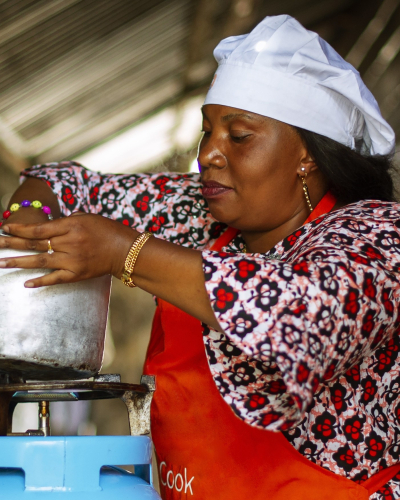
Energy security and affordability have never been more urgent — yet 655 million people worldwide still have no electricity, and two billion continue to rely on polluting fuels just to cook a meal, claiming approximately 3 million lives a year from household air pollution. Sub-Saharan Africa is at the epicenter of this crisis, home to over 560 million people without power and 970 million without clean cooking.
The latest edition of Tracking SDG7: The Energy Progress Report 2026, released with new 2023 and 2024 data, confirms that while most regions are approaching universal access, progress in Sub-Saharan Africa has slowed dramatically — and the pace of electrification must triple to reach universal access by 2030. Without urgent action, 1.8 billion people will still cook with polluting fuels by 2030, and Sub-Saharan Africa's clean cooking deficit is on track to surpass one billion people by 2027.
>> Read the Press Release | Download the Report | Explore the Data | Previous Editions | Follow the Conversation on LinkedIn
Board Approval
Regional Energy Transmission, Trade and Decarbonization Project in Eastern Africa (RETRADE-EA) MPA Program
The World Bank Group has approved a landmark US$1.67 billion program that will bring Eastern Africa significantly closer to a single continental electricity market. The Regional Energy Transmission, Trade and Decarbonization Project (RETRADE-EA) — a Multi-Phase Programmatic Approach — includes a US$3.5 million ESMAP grant for the Regional Power Trade and Market Project (RTMP).
RTMP builds on years of sustained ESMAP engagement with the World Bank Group’s East Asia and Pacific Region (EAP) — from funding solar resource mapping across member countries since 2017, to providing technical assistance for market development, governance, and regulatory harmonization, to active engagement in regional trade conferences.
News
Capacity Building Program: ESMAP’s Sustainable Renewables Risk Mitigation Initiative (SRMI)
SRMI has just completed a landmark nine-month capacity building program — the Francophone Academy on Effective Renewable Energy Tendering in Africa 2025/26. Funded by ESMAP, PPIAF, AfDB, and FCDO, and delivered in partnership with MASEN under the World Bank Academies framework, the Academy equipped 75 public sector energy leaders from 17 francophone countries across Sub-Saharan Africa and North Africa with the practical skills to design competitive renewable energy and battery storage tenders, develop bankable projects, and attract private investment.
The program ran from October 2025 to June 2026, combining seven virtual peer-learning sessions with two in-person workshops in Rabat and Marrakech — each anchored by real-world site visits to a wind project in Tanger and the NOOR Ouarzazate solar complex.
>> Learn More
Videos
ESMAP Offshore Wind Activities
The offshore wind industry has matured rapidly over the past decade and has the potential to provide up to 20% of global electricity demand.
Hear Sean Whittaker, Senior Energy Specialist, on how ESMAP supports this long-term work — from technical analysis and spatial planning to building the policy and institutional foundations countries need to get offshore wind right.
>> Watch the Video | Learn More | More in ESMAP’s Annual Report
ESMAP’s 10 GW Lighthouse Initiative
As countries look for energy security and competitiveness in a volatile world, clean hydrogen is emerging as a serious option — especially for hard-to-decarbonize industries like steel, fertilizers, shipping, and aviation.
Hear Dolf Gielen, Senior Energy Economist, on how ESMAP’s 10 GW Lighthouse Initiative is helping turn clean hydrogen from ambition into investable projects — bringing 15 development finance institutions behind a shared goal of 10 gigawatts of renewable hydrogen electrolyzer capacity by 2030.
>> Learn More | More in ESMAP’s Annual Report
Publications
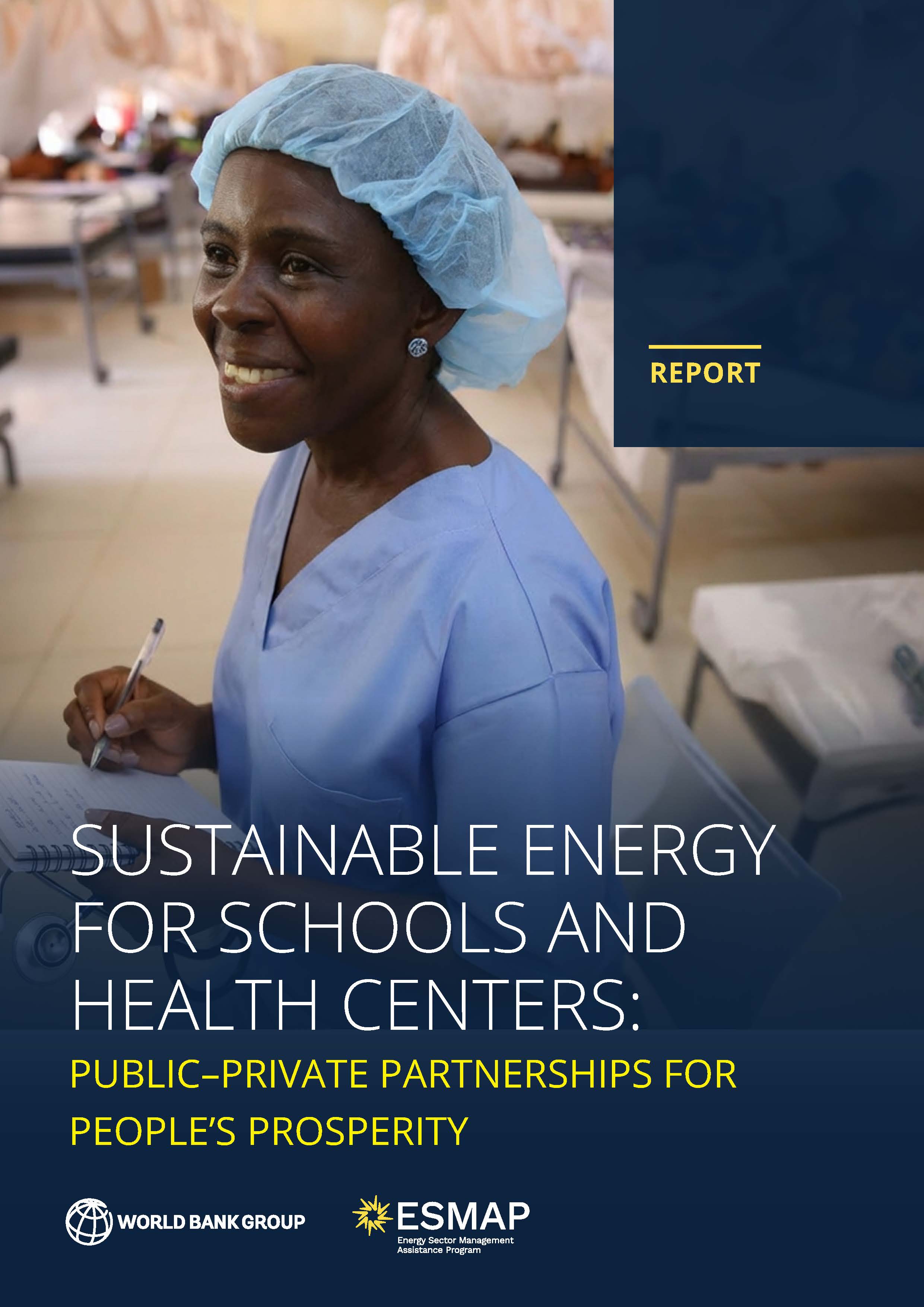
Report Launch | Sustainable Energy for Schools and Health Centers: PPPs for People’s Prosperity
Reliable electricity is about far more than turning on the lights. In schools, it enables digital learning, connectivity, and safer environments for students and teachers. In health centers, it powers life-saving equipment, vaccine cold chains, and essential healthcare services.
Yet across many developing countries, public institutions still face unreliable energy access, underperforming systems, and limited resources for long-term maintenance. This report presents a new approach to “PPPs for People’s Prosperity” — partnerships that unite governments, the private sector, and development partners to move beyond one-off infrastructure investments toward long-term, service-oriented solutions.
The World Bank Group Approach Paper on Hydropower Development
The World Bank Group has published a new paper outlining its strategic approach to hydropower development, underscoring the sector's pivotal role in advancing energy access, security, and climate resilience in low- and middle-income countries.
Hydropower remains one of the most versatile tools in the clean energy transition — providing not only reliable baseload electricity but also critical storage and system flexibility that enables the integration of solar and wind power. The paper highlights how the World Bank Group, working across its institutions including IFC and MIGA, combines upstream policy support with project-level financing, technical assistance, and risk mitigation.
Central to this work is ESMAP's Hydropower Development Facility, which supports client countries in overcoming key barriers to sustainable hydropower development — from environmental and social assessments to feasibility studies, capacity building, and frameworks for private sector engagement.
Enhancing Safety in Battery Energy Storage Systems: Global Lessons and Best Practices
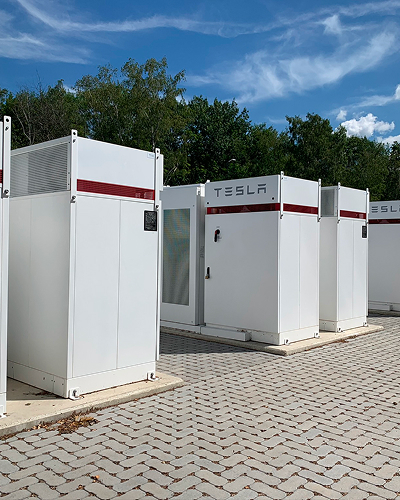
As battery energy storage systems (BESS) become central to the clean energy transition, a new ESMAP Livewire cuts through the complexity to give policymakers, regulators, utilities, developers, and financiers a clear-eyed look at safety risks and how the industry has learned to manage them.
Early utility-scale lithium-ion installations were prone to serious fires and explosions, compounded by immature standards and inconsistent emergency response practices. The good news: the sector has come a long way. Advances in lithium-iron-phosphate chemistry, modular containerized designs, improved battery management systems, and better fire detection have significantly reduced both the likelihood and severity of major incidents.
This knowledge is directly relevant to ESMAP's broader work on energy storage, which through the Energy Storage Partnership has already catalyzed over US$725 million in financing and added 2,527 MWh of battery storage capacity across developing countries.
Partners' Corner
The Regional Network in Energy for Women in the Middle East and North Africa (RENEW MENA)
On the global stage, RENEW MENA joined the 4th WePOWER Conference in Negombo, Sri Lanka — a gathering of energy sector leaders, utilities, academics, and development partners from across South Asia and beyond.
The RENEW MENA Network — launched by the World Bank Group's ESMAP to boost women's participation across the energy value chain in the Middle East and North Africa — made its mark on two major events this season. In Jordan, the Network's Jordan Chapter hosted the WIN Careers Job Fair at the German Jordanian University, with support from the Ministry of Energy and Mineral Resources. The event brought together 400 female students and graduates with 40 employers, creating direct pathways between education and industry in Jordan's rapidly evolving energy sector.
>> Read More
Hydrogen for Development Partnership (H4D)
The H4D has welcomed two new members: NamGHA and the International Partnership for Hydrogen (IPHE). NamGHA serves as the private sector platform for collaboration across Namibia’s green hydrogen ecosystem, bringing together private sector stakeholders, industry leaders, research institutions, and policymakers to support the development of a competitive and sustainable green hydrogen economy.
IPHE plays a critical role in fostering dialogue and alignment among governments, helping to create the conditions needed for efficient and transparent clean hydrogen value chains.
Winners of the 2026 World Bank Group East and Central Asia Region (ECA) Research with Impact Award
The paper, Public Preferences for Economic Reforms Are Shaped More by Design Than Cost, of which three ESMAP team members were contributors, was highly regarded for its quality, relevance, and the research that went into it.
The Climate Investment Funds’ Newest Endorsement
The governing board of the Climate Investment Funds (CIF) endorsed first-of-their-kind investment plans for industrial decarbonization in Brazil and Mexico. Each country is set to receive US$250 million in catalytic funding from CIF, unlocking more than US$5 billion in combined co-financing from multilateral development banks and the private sector.
Global Off-Grid Solar Market Report Annual Sales & Impact Data June 2026
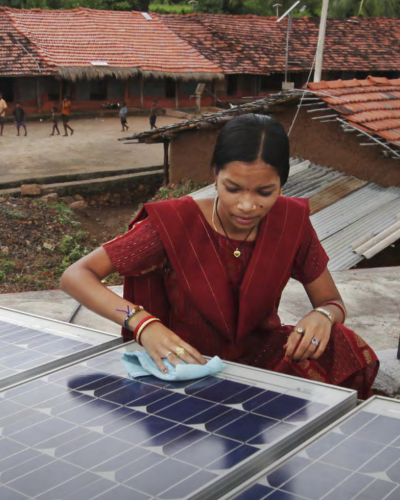
ESMAP's financial and technical support has helped bring to light a pivotal moment for the off-grid solar sector. The latest GOGLA data reveals strong sales growth but also growing market concentration — with large companies capturing an increasing share of the market while many small and medium-sized enterprises face headwinds. Capital flows remain a challenge, and deployment is still well short of what is needed to meet national electrification plans, SDG 7, and Mission 300 targets.
Women and Energy – Africa (WEN-Africa) Announces a New Partner
Zambia Renewable Energy Association (ZARENA) joins as part of the growing WEN-Africa community. ZARENA’s commitment to advancing renewable energy solutions in Zambia aligns strongly with our shared vision of building a more inclusive, resilient, and sustainable energy sector across Africa.
Recent Events
Event | London Climate Action Week
ESMAP showed up at London Climate Action Week with a clear message across 15+ events: the barriers to clean energy are well understood — and so are the solutions.
On bankability, ESMAP's Sustainable Renewables Risk Mitigation Initiative (SRMI) is turning clean energy opportunities into investable projects by deploying de-risking tools and technical assistance from feasibility through financial close. On clean cooking, the https://mecs.org.uk/Modern Energy Cooking Services (MECS) program — run in partnership with Loughborough University and CLASP under the UK's Ayrton Fund — is generating the evidence and business models needed to move clean cooking from concept to real operations on the ground.
And on transmission, new ESMAP analytics show that harmonizing standards, grid codes, and sharing corridors can meaningfully bring down the high transmission costs that continue to hold back energy access. The bottlenecks are known. The tools exist. ESMAP is delivering them.
Summit | Insights by Dolf Gielen on ESMAP’s Participation at the World Hydrogen Summit
What does it actually take to unlock financing for clean hydrogen? Here are five insights from leading developers and financiers that every energy professional should know.
Green hydrogen and ammonia are being reframed as energy and food security assets — not just climate solutions — with ammonia emerging as a credible hedge against natural gas price volatility. But the path to financial close is demanding: project finance structures must be robust, subsidy reliance minimized, and concessional capital deployed with precision.
Due diligence is still intensive and highly bespoke, though multi-DFI coordination models — like the one used in the ATOME Paraguay deal — are showing real promise. Offtake contracts remain non-negotiable, yet the absence of a transparent hydrogen commodity market is pushing developers into complex 10–15 year bilateral negotiations in an environment where buyers cannot yet confidently price carbon risk. And underpinning it all: enabling infrastructure and policy stability are preconditions, not afterthoughts.
Webinar Series | Lessons from Piloting Demand-Side Subsidies
ESMAP’s End User Subsidy Lab (EUSL) hosted a two-part webinar series sharing lessons and recommendations from Demand-Side Subsidy (DSS) pilots conducted by EnDev between 2022 and 2026 in Liberia, Malawi, Niger, and Uganda. The first webinar drew on experiences from Liberia and Niger.
>> Browse the Materials: Part 1 | Browse the Materials: Part 2
Roundtable | Geothermal Pathways: From Vision to Bankability
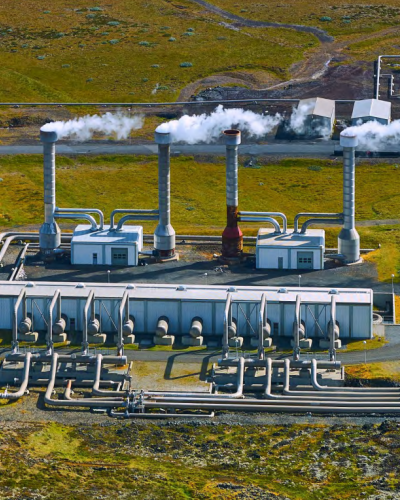
On 10 June, ESMAP co-hosted the roundtable "Geothermal Pathways: From Vision to Bankability" alongside IRENA's Global Geothermal Alliance and Green by Iceland, bringing together partners to explore how geothermal development can be accelerated. Dominica's experience served as a powerful anchor for the discussion, illustrating both the complexity of the journey from early exploration to project implementation and the critical role of strong leadership, coordinated financing, and sustained partnerships.
>> Follow the Conversation on LinkedIn | Learn More About ESMAP’s Work in Geothermal
Webinar | Hydropower at Work: Building Jobs for a Livable Planet
Drawing on practical lessons from the Jiji and Mulembwe hydropower plants in Burundi, the session examined the policy, procurement, and project design choices that maximize local employment and economic value — from construction through long-term operations.
Participants gained practical insights into three interconnected areas: embedding jobs and growth objectives through workforce development, local hiring, and supply chain strategies; strengthening enabling ecosystems through localization, procurement frameworks, skills development, and support for domestic firms; and designing inclusive benefit-sharing models that sustain long-term local economic impacts.
Upcoming Events
Webinar | From Call to Count: Gender-Responsive Energy Actions for the Final Mile
July 6 | 11:30 a.m.–12:45 p.m. EDT
>> Register
Webinar | Hydrogen for Development Partnership (H4D) Series
July 23 | 9:00–10:00 a.m. EDT
>> Register