


























Energy Storage Regulatory Frameworks in the United States | Achievements and Lessons Learned
Energy Storage Regulatory Frameworks in the United States: Achievements and Lessons Learned examines U.S. regulatory approaches, market structures, and state experiences to identify strategies for accelerating energy storage deployment.
Key Findings
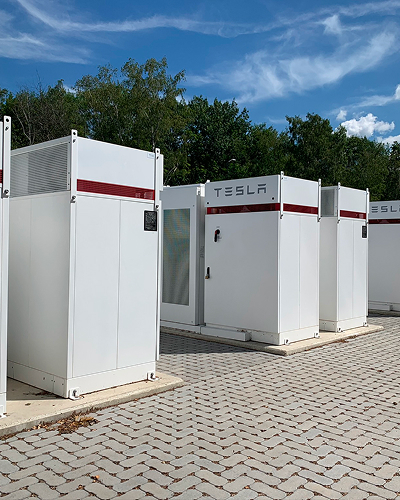
- Energy storage delivers multiple grid benefits. Battery energy storage systems can reduce peak demand, stabilize grid frequency, integrate renewable energy, defer transmission and distribution investments, provide backup power, and support resource adequacy.
- Regulatory frameworks shape deployment. Successful approaches reflect local electricity market structures, clearly defined system needs, and policies that enable storage to participate in markets and provide multiple grid services.
- California and Texas demonstrate distinct pathways to growth. California’s deployment has benefited from procurement requirements, resource adequacy programs, and policy incentives. Texas illustrates how wholesale market signals, ancillary service revenues, and reliability needs can drive merchant-led investment.
- Barriers continue to limit investment. Inadequate compensation, undervaluation of storage benefits, permitting and interconnection delays, ownership restrictions, policy uncertainty, supply chain risks, and limited technical expertise can hinder deployment.
- Proactive policies can accelerate adoption. Clear procurement targets, appropriate incentives, comprehensive valuation and compensation mechanisms, improved planning and modeling, streamlined regulatory processes, and sustained stakeholder engagement can strengthen investment conditions.
The report draws on U.S. experience to offer practical lessons for policymakers and regulators seeking to develop effective frameworks, unlock the full value of energy storage, and support reliable, flexible electricity systems.