
- Energy SolutionsFloating Solar
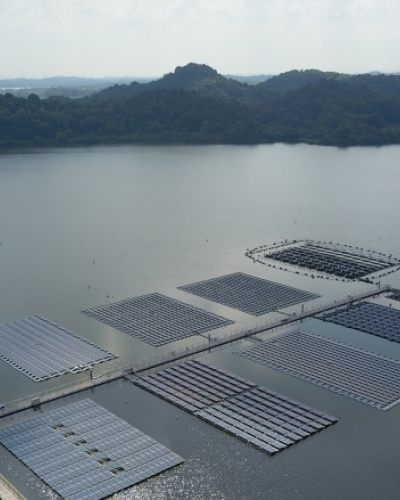
Floating solar supports sustainable development by enabling clean power generation while reducing pressure on land resources.
 Utility-Scale Solar
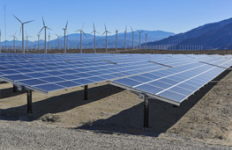
Solar is the fastest-growing source of electricity, meeting most of the increase in global demand.
 Offshore Wind
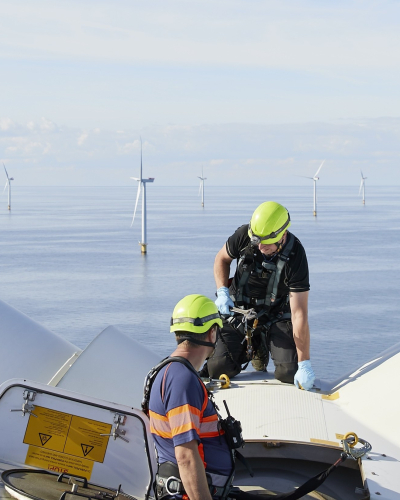
Offshore wind supports long‑term climate targets by providing utility‑scale renewable energy that can anchor a clean power mix alongside solar, onshore wind, hydro, and storage.
 Hydropower
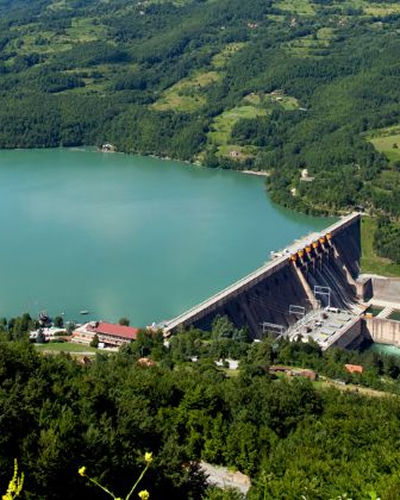
 provides clean and reliable electricity to communities, including in rural and remote areas.
 Geothermal
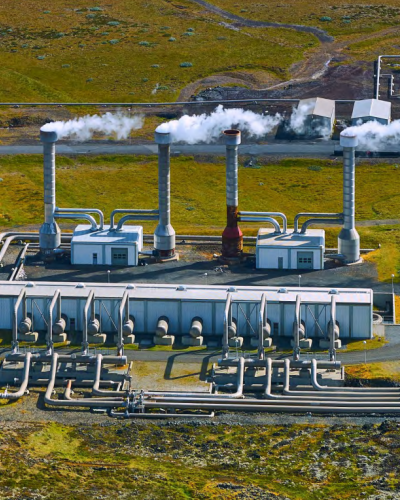
As a renewable energy source, geothermal generates power continuously, unlike weather-dependent solar and wind.
 Off-Grid Solar
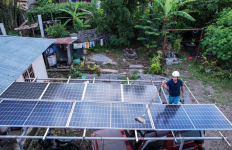
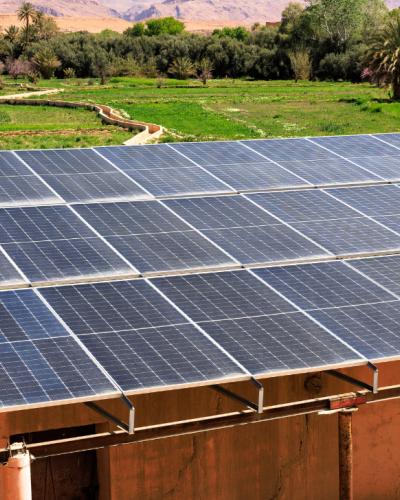
Off-grid solar delivers electricity through standalone, solar-powered products, offering a rapidly deployable and affordable offering for people without reliable grid access.
 Clean Hydrogen
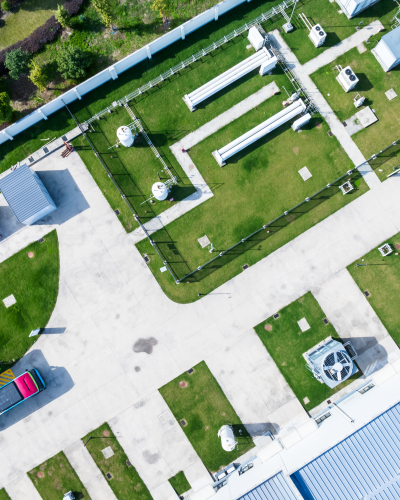
Clean hydrogen encompasses both green hydrogen based on renewable energy and hydrogen derived from fossil fuel coupled with carbon capture technology.
 Energy Storage
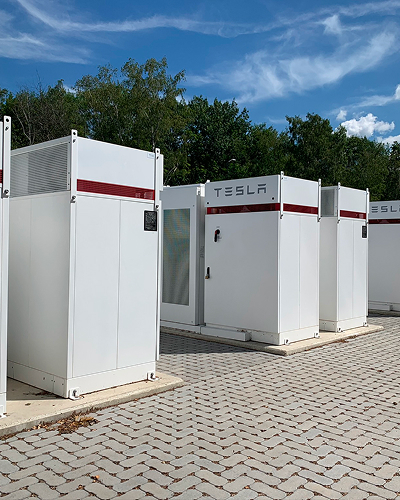
Energy storage systems like batteries ensure an uninterrupted supply of energy - even when the sun does not shine and the wind does not blow.
 Clean Cooling
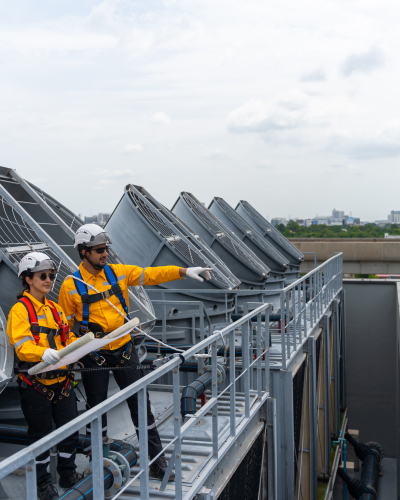
Clean cooling is critical for economic development and improving people’s living conditions in a warming world.
 Mini Grids
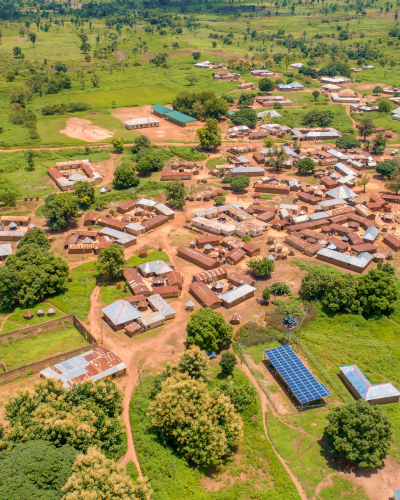
Mini grids play a critical role in providing electricity in rural and underserved areas, delivering reliable, community-scale power, quickly and flexibly.
- ThemesThemes
- Access to Electricity
- Modern and Digital Utilities & Grids
- Energy Efficiency
- Risk Mitigation for Renewables
- Small Island Developing States (SIDS)
- Clean Cooking
- Women in Energy
- Jobs in Energy
- Energy Markets & Trade
- Energy Subsidy Reforms
- Energy Data
- Transitioning Away from Coal
- Accelerating Industrial & Residential Decarbonization
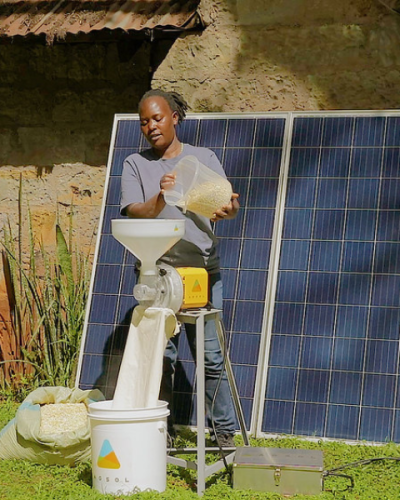
Access to ElectricityAccess to dependable and affordable electricity is critical to lifting people out of poverty.
 Modern and Digital Utilities & Grids
 Energy Efficiency
Improving energy efficiency is essential to curb costs, avoid unnecessary investments in new infrastructure and fuel imports, and strengthen energy security.
 Risk Mitigation for Renewables
Effective risk mitigation instruments can catalyze entire energy markets, build investor confidence, lower tariffs for consumers, and create conditions for sustained private sector engagement.
 Small Island Developing States (SIDS)
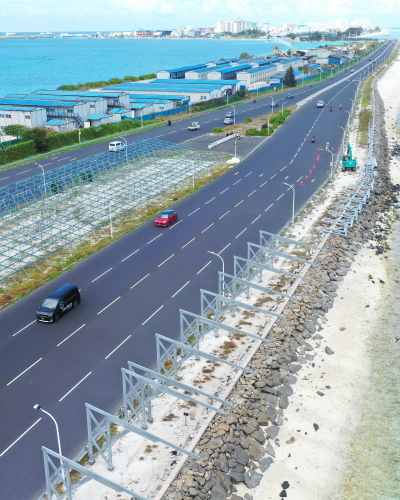
Transitioning to renewable energy helps to shield SIDS against expensive fossil fuel imports’ drag on their budgets, fosters economic growth while mitigating climate change impacts.
 Clean Cooking
ESMAP’s Clean Cooking Fund advances global advocacy and stakeholder engagement while providing financing, technical assistance, and systematic support to developing countries to scale clean cooking access.
 Women in Energy
Increasing women’s participation in the energy sector promotes diverse perspectives and decision-making, drives innovation, fosters sustainable development, and better solutions for global energy challenges.
 Jobs in Energy
Reliable, affordable energy enables jobs and raises productivity across agriculture, manufacturing, and services.
 Energy Markets & Trade
A well-functioning, flexible, and financially sound power sector is a necessary foundation for the energy transition, which requires the sector to adopt new service delivery models and disruptive technologies, integrate new and cleaner sources of energy, and adapt market regulations and incentives to ensure sustainable change.
 Energy Subsidy Reforms
Reforming energy subsidies can help ensure energy prices reflect true market costs of different energy forms, leveling the playing field for clean energy and energy efficiency.
 Energy Data
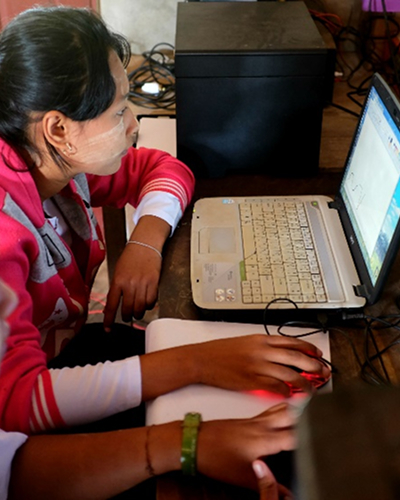
Data and analytics are key to evidence-based decision-making on policies and investments necessary for achieving SDG7. Comprehensive, detailed data at the global and country levels for energy access (electricity and cooking solutions) is lacking. Geospatial information gaps are a barrier to electrification planning. More efficient ways of data collection for energy access are required to support scaled-up investment.
 Transitioning Away from Coal
Transitioning away from coal offers significant economic, health, and environmental benefits, as renewables are becoming cheaper than coal and provide a sustainable, inexhaustible energy supply.
 Accelerating Industrial & Residential Decarbonization
The industrial sector is progressively becoming the primary source of CO2 emissions, and its decarbonization is critical to limiting the global temperature increase. Three industries – iron and steel, non-metallic minerals (cement, glass, lime), and chemical industries – are responsible for 70 percent of all direct industrial CO2 emissions today. Innovation will be key to decarbonize the industry, particularly in high temperature heat applications.
The rapid industrialization taking place in low- and middle-income countries, where the bulk of greenfield developments and expansions of facilities will take place, presents a key opportunity to shape a low carbon future and improve the competitiveness of industries. The World Bank Group (WBG), through ESMAP, is uniquely positioned to support client countries in decarbonizing their industrial sectors by helping them adopt innovative technologies and solutions, leapfrogging old technologies that could have locked-in carbon emissions for decades.

- Our ImpactResults Stories
IMPACT Issue 10 | Listening to Client Needs: ESMAP Support to Turkey's Energy Transition 2007-2015
Few countries can parallel Turkey’s efforts to restructure its energy sector over the past 15 years. Moving from a state-owned, vertically-integrated model, Turkey has entirely privatized electricity distribution; passed ground-breaking electricity market, renewable energy, and energy efficiency legislation; established new regulatory bodies; and carried out price reform.
- Data
- PublicationsESMAP Annual Report 2025Main Report | Annexes
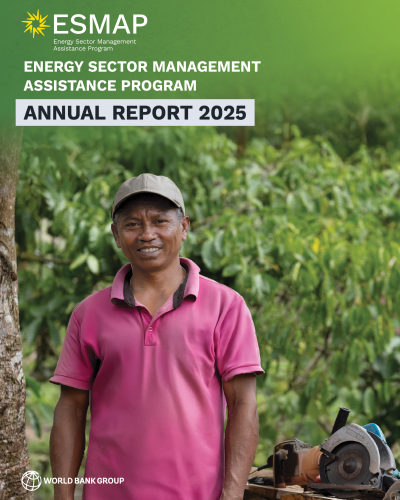
In fiscal year 2025, ESMAP delivered significant results, including access to electricity for 21 million people and clean cooking solutions for 1.1 million. ESMAP initiatives also enabled 5,552 MW of new renewable energy capacity. Looking at cumulative achievements since fiscal year 2021, ESMAP’s support has helped 58 million people gain electricity access, 2 million benefited from clean cooking technologies, and contributed to 86,752 MW of renewable energy capacity.
 ESMAP Business Plan FY2025-2030
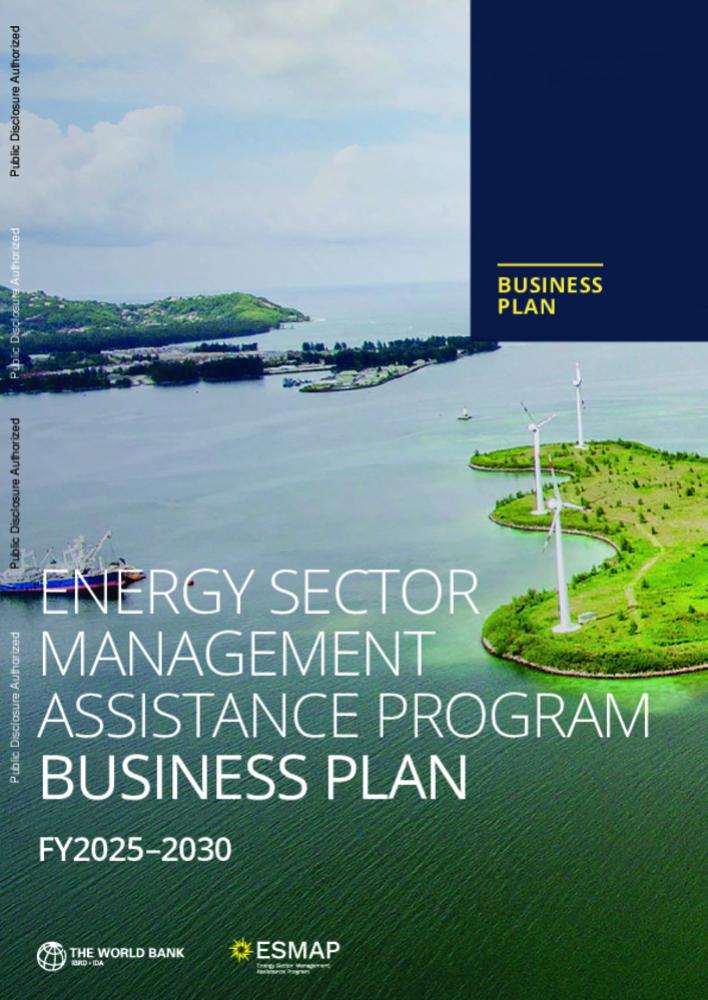
In its Business Plan FY25-30, ESMAP aims to support client countries on three overarching objectives:
Ensure universal access to affordable, reliable, and modern energy services by 2030;
Accelerate the transition towards a sustainable, just, and decarbonized energy system; and
Ensure the resilience and adaptation of the energy sector to the growing impacts of climate change and other shocks.
The Business Plan has two focus areas: Energy Access and Energy Transition. The Energy Access focus area helps World Bank clients achieve results on the ground and will employ three approaches: i) catalytic incentives to facilitate private sector investments and connections, ii) hands-on implementation support, and iii) tailored solutions for all beneficiary groups. The Energy Transition focus area will be implemented through three complementary workstreams: (i) scaling up renewable energy, storage, and clean hydrogen; (ii) scaling-up energy efficiency and decarbonization of end-use sectors; and (iii) transitioning away from unabated fossil fuel.
These workstreams will be supported by the Financial Innovation Window designed to provide last-resort project de-risking and incentives for innovation and resilient investment. All workstreams will support economic and leadership opportunities for women and excluded groups.
 Off-Grid Solar Market Trends Report 2026
The Off-Grid Solar Market Trends Report 2026, jointly published by the World Bank Group’s Energy Sector Management Assistance Program (ESMAP) and GOGLA, assess the growth, impact, and challenges of the sector. It highlights the sector’s role in expanding electricity access, supporting livelihoods, and advancing the Mission 300 goal of connecting 300 million people in Sub-Saharan Africa to electricity by 2030. Off-grid solar has evolved from basic lighting into essential energy infrastructure for households, businesses, farms, and public services. Despite strong progress, affordability gaps, uneven market development, and concentrated financing continue to limit access for vulnerable communities. Key Findings
Expanding access: Affiliate market products reached 149 million people in 2025, up from 118 million in 2023. Off-grid solar is the least-cost solution for at least 398 million people without electricity. Economic benefits: Over 15 years, off-grid solar generated an estimated $28 billion in additional customer income and savings. The sector employs approximately 219,000 people. Reliable technology: 95% of surveyed customers reported that their systems were still functioning four or more years after purchase. Affordability challenges: Many households cannot afford solar home systems, even when they represent the lowest-cost option. Displaced people, women, and productive-use customers face particular barriers. Uneven investment: Commercial financing reached $315 million in 2025, but funding is concentrated among leading companies and markets, leaving smaller local firms and underserved regions behind. Investment needs: Reaching all 398 million people for whom OGS is the least-cost solution by 2030 requires around $11.4 billion between 2027 and 2030. Recommendations Governments should provide stable policy and regulatory environments and use targeted measures, such as VAT exemptions, import duty waivers, and subsidies, to improve affordability. Development partners should deploy targeted subsidies, concessional and blended finance, and results-based financing, directing capital to underserved markets and locally owned companies. Read the Press Release.Click here to further explore the MTR microsite and AI chatbot at mtr.esmap.orgPrevious ReportsOff-Grid Solar Market Trends Report 2022 - State of the Sector
Search Results
Reset Search